
Jump Rope Techniques to Increase Agility and Balance
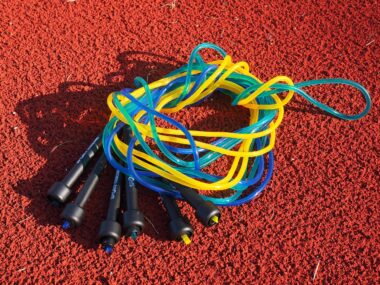
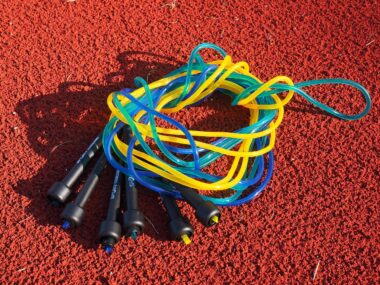
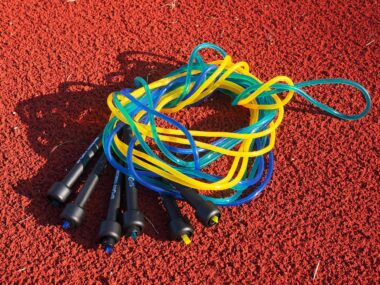
Masters of agility and balance rely on efficient training methods. One popular method is using a jump rope, which enhances these skills in a fun and effective way. Incorporating various techniques while using the jump rope can help engage different muscle groups, promote cardiovascular health, and improve coordination. Beginning with the proper rope length is essential. For most individuals, the handles of the rope should reach the armpits when stepped on. This foundational adjustment sets the stage for effective practice. To gain expertise, beginners should focus on their form. Keeping elbows in, wrists turning the rope, and maintaining a light stance are crucial. Regular practice will build endurance, increase speed, and improve timing. Adding variations like single-leg jumps or double unders can significantly amplify agility challenges. It’s vital to set goals, such as increasing the number of consecutive jumps while maintaining form. Having a structured jump rope routine encourages progression and keeps workouts interesting, resulting in improved agility with every session. Overall, jump ropes are a powerful tool, providing versatile training techniques to enhance overall athletic performance.
One impressive technique is the “cross-over jump.” This involves crossing the arms at the elbows while the rope is in the air. At the right moment, the arms should uncross as you jump to allow the rope to pass through. This not only builds upper body coordination but also challenges your timing and rhythm. Incorporating the skills developed through cross-over jumps into standard workout routines can lead to agility gains. Practitioners should start slowly, gradually increasing speed and flow. Aiming for fluid movement will foster mastery over time. To effectively implement cross-over jumps into your session, start with 10 repetitions, gradually increasing as you improve. Additionally, consider timing your jumps with music or a metronome beats. Regularly practicing this technique encourages brain-body connections, vital for balance and overall athleticism. The cross-over jump is more demanding than traditional jumps, promoting muscle memory and precision. It is also crucial to keep your core engaged throughout. This ensures greater stability and muscle activation. Ultimately, creativity in jump rope routines, like adding crossover jumps, brings exciting challenges to your agility and balance improvement endeavors.
Incorporating Side Straddle Jumps
Side straddle jumps, a fun variation, engage multiple muscle groups while enhancing coordination and rhythm. To perform a side straddle jump, begin with both feet together. As you jump, move one foot outward and then back together upon landing. This lateral movement challenges your balance and agility, making it an excellent addition to your training routine. The focus when practicing this skill should be on maintaining a steady pace to develop muscle memory effectively. Beginners may also find success by starting with low jumps, increasing height as they become comfortable. To seamlessly integrate side straddle jumps into your workout, consider alternating between standard jumps and side straddle jumps. For example, try one minute of standard jumps followed by thirty seconds of side straddle jumps. This interval approach enhances cardiovascular endurance while also practicing agility techniques in a dynamic manner. Additionally, incorporating dynamic stretches before these routines will prepare the muscles and prevent injury. With consistency, you’ll notice improvement in not only agility but also lower body strength from regularly performing side straddle jumps in your training. Embrace their benefits as you progress!
Another beneficial technique is the “backward jump.” This innovative approach not only provides variety to routines but also challenges one’s proprioception and balance significantly. To practice backward jumps, swing the rope over your head while facing away from the direction you would typically jump. It might feel awkward initially, but with practice, agility dramatically improves. Focusing on landing softly while keeping your knees slightly bent can support joint health and balance. Start by practicing backward jumps for brief intervals, gradually increasing duration as your confidence grows. Begin with smaller jumps, easing into a more elevated tempo for added intensity. You can also create fun circuits by alternating backward and forward jumps for well-rounded training. Engaging in backward jumps regularly will ignite muscle activation in less commonly used muscle groups, promoting overall body strength. Moreover, balancing backward exercises can stimulate brain function, enhancing cognitive agility alongside physical prowess. Backward jumps are an excellent way to diversify techniques and keep training fresh and effective, ensuring long-term engagement and motivation in achieving agility and balance.
Exploring the Boxer Step
The boxer step is another footwork technique beneficial for developing speed and agility. This approach mimics how professional boxers move in the ring, requiring quick changes in direction and pace. To execute this technique, shift your weight from one foot to the other while jumping rope, leading with the hind foot. This method emphasizes foot speed and coordination. To master the boxer step, start slow, incorporating rhythm with each transition. Over time, this technique builds lower body muscle strength, essential for rapid movement and stability. Adding in intervals of side-to-side movement can amplify the agility challenge when performing this step. You can also integrate shadow boxing during breaks, allowing for additional coordination practice. Influencing muscle memory through a playful approach keeps training fun and dynamic. Aim to perform the boxer step for several minutes continuously as your fitness levels improve. Keep an upbeat tempo to further enhance endurance and rhythm over time. This multifaceted approach, embracing varied speed and directional shifts, is an excellent incorporation to your jump rope routine to bolster agility.
Finally, the “high knees” jump rope technique serves as an extraordinary workout strategy, raising heart rates while enhancing agility. The essence of this method lies in bringing knees up towards the chest while jumping. It is essential to maintain proper posture by keeping the core engaged and arms at the sides for balance. This technique also requires more strength and coordination compared to regular jumps. The high knees can be introduced as part of a warm-up or as a main workout activity during sessions. Starting with low repetition sets allows for gradual adaptation. Aim to perform high knees for short intervals, increasing duration as your ability to maintain form improves. This technique not only improves agility but also elevates your cardiovascular capacity due to the demanding nature of the exercise. Additionally, pairing movements with dynamic stretches before performing high knees can enhance flexibility and prepare muscles for exercise. As an added benefit, high knees work the entire body, activating muscle groups that contribute to overall agility and performance. As you progress, you’ll notice enhanced performance along with a strong sense of accomplishment as agility improves.
Conclusion: Mastering Jump Rope Techniques for Lifelong Benefits
Concluding, embracing jump rope techniques offers profound benefits for agility, coordination, and balance. As you’ve explored, exercises like cross-over jumps and side straddle jumps can efficiently incorporate creativity and versatility into your routine. The backward jumps and boxer steps bring unique advantages by intensifying workouts while providing a fun twist. Moreover, high knees stand out as a fantastic full-body workout, ensuring engagement and growth. Whether you are a beginner or an experienced athlete, integrating these methods fosters not only physical enhancement but also cognitive focus during exercise. Account for regular practice, set achievable goals, and monitor your progression to maximize benefits effectively. The journey in mastering jump rope techniques is both an exciting and rewarding endeavor that will lead to improved athletic performance and health. Be consistent in your efforts and enjoy the process of learning new skills. As you continue to challenge yourself, each technique learned solidifies your foundation, allowing for advancements in agility and strength. Emphasizing the importance of variation keeps workouts stimulating, leading to lifelong success in your fitness journey.