
The Impact of Treadmill Running on Joint Health
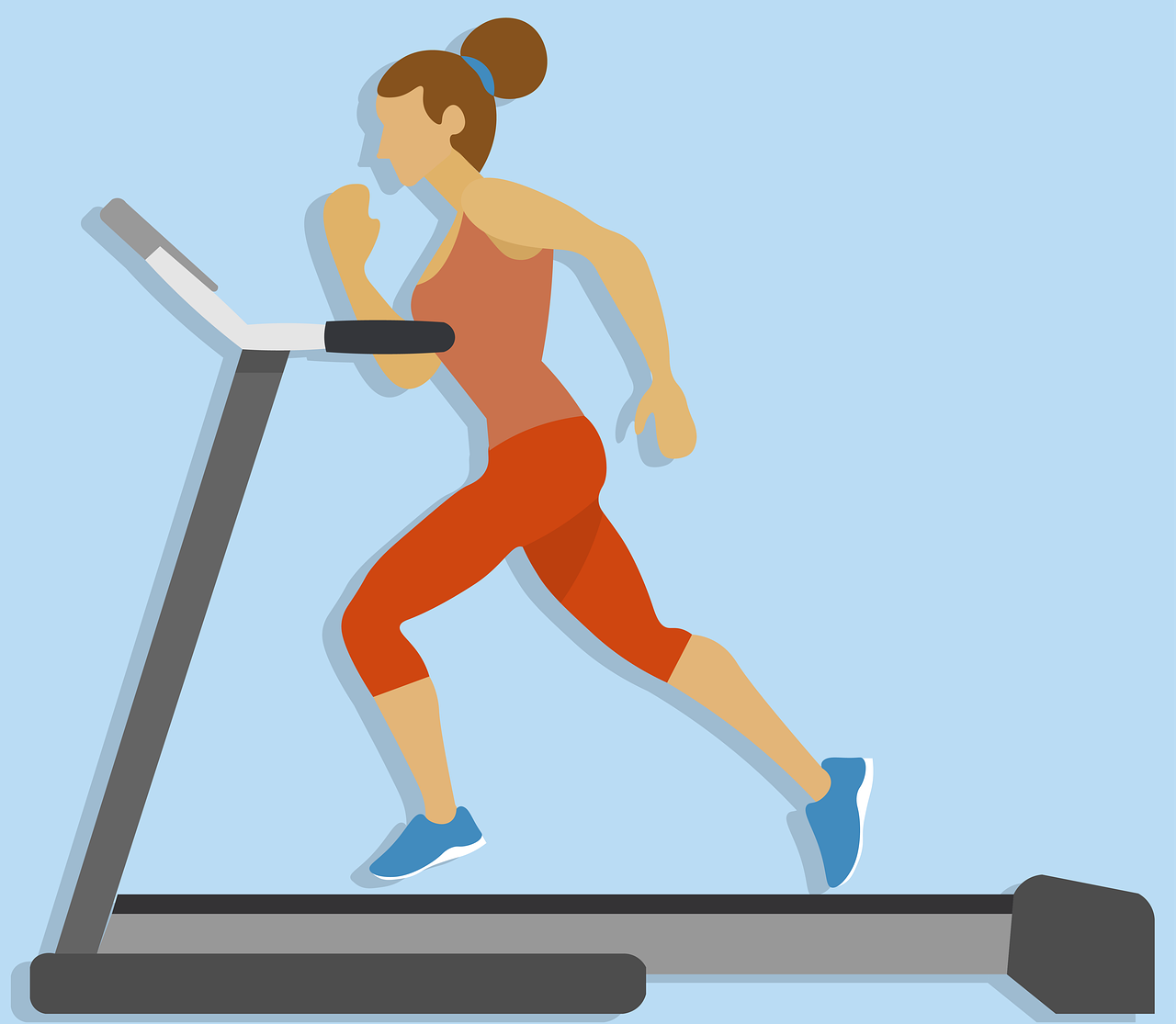
Treadmill running has gained popularity as an accessible and effective workout option. Many individuals turn to this option, especially those concerned about their joint health. The cushioning system on a treadmill provides a softer surface compared to running on pavement or concrete, reducing the impact on joints. As a result, treadmill running can potentially decrease the risk of injuries. Additionally, the ability to control speed and incline helps users to tailor their workouts to their own fitness levels. This controlled environment also aids in monitoring physical strain during running sessions. Joint health is particularly significant among both novice and experienced runners, with conditions like arthritis to consider. Pain and discomfort may arise due to excessive running on hard surfaces. Therefore, treadmill running presents a viable alternative for rehabilitative purposes. By adjusting settings, users can engage in low-impact workouts, catering to their needs. Furthermore, staying active on treadmills encourages consistent exercise, an essential factor for heart health, weight management, and overall fitness. Those seeking a more adaptable exercise regime should consider embracing this worthwhile option. It balances physical goals with well-being efficiently.
Benefits of Treadmill Running for Joint Health
When assessing the benefits, it is evident treadmill running offers several advantages to those concerned about joint health. One major aspect is the shock absorption that many modern treadmills provide. This feature significantly lessens the impact force on joints during running, making it a safer choice for individuals prone to joint issues. Users can maintain a regular running schedule without risking additional strain on their knees, hips, and ankles. Research suggests that cushioning can improve long-term joint health outcomes, especially for those transitioning from outdoor surfaces. Furthermore, engaging in treadmill running allows for consistent workouts, contributing to weight management—an important factor in reducing stress on joints. Excess weight can exacerbate joint pain and lead to deterioration over time. Therefore, managing weight can result in healthier joints. Moreover, treadmill running aids in improving flexibility and strengthening muscles that support joint function. Combining cardio with muscle toning fosters better balance and coordination. Lastly, the accessibility of treadmills provides options for various users, from beginners to advanced runners. It creates a supportive environment that encourages individuals to stick to their fitness routine.
The versatility of treadmill running is another significant aspect that enhances joint health. Users can set the speed and incline, allowing them to customize their workout intensity according to their physical capabilities. This personalization is critical for individuals recovering from injuries or those with pre-existing joint conditions. Moreover, the ability to adjust these variables assists in gradual rehabilitation without over-exerting the body. Incorporating interval training can further benefit joint health by promoting muscle strength without excessive impact. However, it is essential to maintain proper running form while using a treadmill. Good posture, including keeping the hips aligned and shoulders back, can encourage correct biomechanics, minimizing the risk of injury. Individuals should also take advantage of the treadmill’s handrails for stability, especially when testing new inclines. Furthermore, consulting with a physician or physiotherapist can help formulate an appropriate treadmill running program. Personalized guidance ensures a safer and effective routine that promotes overall health and well-being. Approaching treadmill usage with these considerations can prevent discomfort or further damage and enable users to achieve their fitness goals adequately.
Considerations for Joint Health
While treadmill running offers various benefits, certain considerations must be addressed to safeguard joint health effectively. Choosing the appropriate footwear plays a crucial role in reducing joint stress during running. Cushioned, supportive shoes can help absorb impact and maintain alignment, significantly influencing performance and safety. Additionally, it is essential for users to be conscious of their running pace; slower speeds can often reduce the stress on joints, allowing the body to gradually adapt. Moreover, incorporating rest days into workout routines is vital for joint recovery and preventing strains. Overtraining can over-stress joints, leading to injuries that can set back progress. Cross-training with low-impact activities such as cycling or swimming is also effective. These changes can help maintain cardiovascular fitness without putting pressure on joints. Users should also prioritize stretching and warming up before each workout. Proper warm-ups can prepare muscles and joints for activity, reducing the risk of injury. Listening to the body and stopping at any signs of discomfort is paramount. Recognizing when something feels off can help prevent more severe issues in the long run.
As mentioned, monitoring the joint health of runners is increasingly important in their overall fitness journey. Regular assessments may help pinpoint potential problems before they escalate. Individuals experiencing persistent discomfort should consult with healthcare professionals for expert advice on joint maintenance. Physical therapists can guide effective strengthening exercises that specifically target supportive muscles around the joints. Engaging in these preventative measures can bolster joint stability and facilitate a more enjoyable running experience. It is essential to remember that no exercise is entirely free of risk. Adequate knowledge and precautions can make treadmill running a low-impact exercise option. Additionally, considering age and fitness history will influence how individuals approach treadmill workouts. Older adults, for example, may have different fitness goals compared to younger runners. Therefore, tailoring routines based on individual needs and conditions remains critical. Many treadmills also feature built-in programs designed for varying capacities. Utilizing these preset options may aid less experienced users in gaining confidence while ensuring they exercise effectively. Taking the time to understand personal limits can prevent setbacks and enhance overall satisfaction with the exercise process.
Conclusion: Embracing Treadmill Running
In conclusion, treadmill running emerges as a valuable exercise option, particularly for those concerned with joint health. The cushioned surface offers a safer alternative to outdoor running surfaces while allowing for customizable workouts. By focusing on maintaining proper form, choosing the right shoes, and incorporating variety, individuals can enjoy the numerous benefits of treadmill running while safeguarding their joints. Additionally, it provides an environment conducive to rehabilitation and injury prevention, making it appealing for users from all fitness levels. This adaptability is essential for fostering lifelong exercise habits that promote overall health. As individuals gradually build strength, incorporating treadmill running can improve endurance and fitness without undue strain. Ultimately, choosing treadmill use as part of a comprehensive fitness approach can help maintain joint health—ensuring effective exercise habits throughout life. Individuals are encouraged to remain proactive about their fitness and well-being, seeking professional guidance when necessary. Staying informed about potential risks is equally important, leading to a balanced and enjoyable exercise experience. By embracing treadmill running, users foster not only joint health but also effective physical conditioning that aligns with their overall health goals.
Incorporating treadmill running into a fitness routine encourages users to stay active and invested in their health. With the right mindset and precautions, it serves as a practical tool for achieving wellness. The benefits for joint health are significant, making it a popular choice for many. As more individuals become educated on effective treadmill workouts, the potential for safe exercise expands. With ongoing commitment and effort, users can promote a successful and sustainable fitness journey. Whether for weight management or overall health, treadmill running stands as a proven exercise option that complements various fitness levels. It is essential to maintain focus on personal fitness objectives while balancing enjoyment in the process. As they familiarize themselves with running, individuals should cultivate consistency for achieving long-term results. Regular treadmill sessions contribute positively to overall cardiovascular fitness and joint protection. Furthermore, integrating strength training and flexibility exercises can lead to even better outcomes. Ultimately, taking active measures to secure joint health through treadmill running paves the way for a healthier, more satisfying life. Users should venture forth, embrace their fitness goals, and relish their journey towards optimal joint health.
Final Thoughts
The path to improving joint health through treadmill running is a journey worth undertaking. Users are encouraged to remain vigilant, monitor their joint reactions, and adapt their routines accordingly. Engaging in such mindful practices can foster longevity in their active lifestyle. Furthermore, celebrating small milestones can boost motivation and reinforce a positive relationship with physical fitness. Adapting to changes while remaining consistent is vital for promoting lasting results. When prioritizing joint health, individuals position themselves for success in their wellness endeavors. Embracing the values of adaptability and education while utilizing a treadmill can lead to sustainable progress. In recognizing the dynamic relationship between exercise and joint health, users can cultivate resilience and drive towards their fitness aspirations. Through various strategies for successful treadmill usage, individuals may find the journey to health not only fulfilling but enjoyable. With dedication and focus, treadmill running can be a sustainable choice for many health-conscious individuals. As they explore this valuable option, participants should continuously embrace growth, both physically and mentally, leading to an enriched lifestyle focused on health. It is essential to stay committed and enjoy the ride that running can offer.