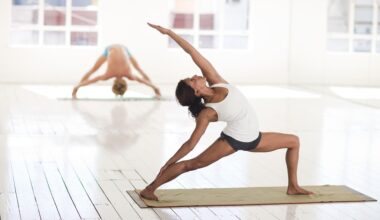

Improving Joint Flexibility for Everyday Movement
Flexibility is an essential component of overall fitness that often gets overlooked. It plays a critical role in ensuring that our joints function optimally. As we age, maintaining flexibility becomes even more important to prevent injury and promote quality movement in daily activities. Regular practices targeting flexibility can lead to improved posture, reduced muscle tension, and enhanced athletic performance. To achieve these benefits, targeted stretching routines should be integrated into one’s fitness regimen. Focusing on dynamic stretches can be particularly effective. Think about activities that mimic movements performed during actual sports or daily tasks. Furthermore, implementing various types of stretching such as static, dynamic, and proprioceptive neuromuscular facilitation (PNF) can help broaden one’s flexibility. Individuals should also listen to their bodies, gradually increasing the intensity of stretches to avoid injury. Therefore, trying to incorporate stretching into your routine three to four times a week can lead to significant improvements. Prioritize consistency to see results over time. Ultimately, enhancing your flexibility offers profound benefits that impact your day-to-day movement efficiency.
The Importance of Joint Flexibility
Joint flexibility significantly affects mobility and functional movement. When joints are flexible, they allow for a greater range of motion and the ability to perform daily tasks with ease. Poor flexibility can lead to physical limitations, increase the risk of injuries, and generally cause discomfort in everyday life. Regularly working on flexibility can benefit athletic performance by allowing better form and technique during activities. To achieve desirable flexibility, it’s crucial to identify tight areas within the body. Commonly, people find issues in hips, shoulders, and lower back. Dedicated stretching can alleviate this tightness and work towards restoring balance. Consider including stretches that target multiple muscle groups simultaneously. For example, compound stretches like the forward fold, lunge with a twist, or any full-body routine can be highly effective. It is also worth noting that flexibility training should be paired with strength training for overall physical health. Importantly, remember that flexibility is not a one-time effort but rather a commitment that requires ongoing attention and practice. This continuous effort will result in better movement mechanics and increase functional independence.
Incorporating flexibility training into your routine can be simple and effective when done correctly. Focus on prioritizing some dynamic warm-ups before engaging in any physical activity. These movements prepare your muscles and joints for action, leading to overall better performance. Dynamic stretches raise your body temperature and prepare your mind and muscle systems for working efficiently. For instance, leg swings, arm circles, or torso twists can engage multiple joint areas effectively. Similarly, consider using a foam roller before stretching; it aids in muscle recovery and relieves tension, leading to better stretch outcomes. Furthermore, engaging in yoga or pilates can act as a holistic method for enhancing flexibility. These practices help connect breath to movement while increasing strength and awareness of how your body feels. Additionally, using resistance bands during stretching exercises can help improve flexibility by providing gentle tension to assist the movements. Be mindful of the body’s signals to avoid overstretching or causing unnecessary discomfort during these sessions. Understanding and respecting your body’s limits ensures long-term effectiveness and enjoyment with flexibility training.
Flexibility Exercises to Try
When exploring specific flexibility exercises, consider incorporating a mix of both static and dynamic options into your routine. Examples such as the hamstring stretch or butterfly stretch are great static options suitable for increasing flexibility. Alternately, dynamic moves like high knees or walking lunges will get your blood pumping while improving your range of motion. For the hamstring stretch, sit on the floor with your legs extended, reaching to touch your toes while keeping your back straight. The butterfly stretch requires you to sit and bring the soles of your feet together, gently pushing down on your knees for a deeper stretch. Moreover, the standing quadriceps stretch can be performed with a wall for support, offering an effective method specifically targeting the front of your thighs. Ensure you hold each static stretch for at least 20 to 30 seconds while breathing steadily throughout the movements. These practices contribute to relishing a serene mindset while improving flexibility. To progress, challenge yourself by gradually increasing the duration of each stretch while remaining attentive to how your body reacts to these interventions.
It’s pivotal to understand that consistency is vital in improving flexibility over time. Developing a structured routine can substantially enhance your progress while ensuring you remain engaged in the process. Consider setting goals for your stretching sessions, establishing specific days or intervals dedicated solely to flexibility. Integrating mindfulness and focusing on your breath during stretches can transform the experience into a meditative practice that enhances relaxation. Group classes and workshops focusing on flexibility can provide additional motivation and diversity to your routine. Additionally, consider using digital platforms or mobile applications that offer guided stretching routines to add variety and maintain consistency. Participating in led sessions may allow you to gain insight into proper techniques and controls, ensuring effective flex routines. Inviting a friend to join your sessions can create a supportive environment, fostering accountability as well as camaraderie. Ultimately, consider tracking your flexibility journey through a journal or app, encouraging self-reflection on any changes you notice along the way. Elevating your awareness contributes to maintaining your commitment towards enhanced flexibility and mobility.
Monitoring Progress and Results
Regularly monitoring your progress can significantly affect your flexibility improvement journey. To do this, set benchmarks to evaluate your range of motion through different movements. Assessing flexibility can be as simple as measuring how far you can reach during seated stretches or using equipment like a flexibility tester. Documenting your findings offers valuable insights into the effectiveness of your training regimen. Keeping records of your flexibility levels alongside specific exercises performed allows you to analyze what works best and adjust routines accordingly. If no improvements are observed, refining techniques, increasing stretch duration, or adjusting frequency could lead to better results. Think about joining a community of individuals who prioritize flexibility as well for additional motivation and support. Learning from others who are equally invested in improving their flexibility will enrich your knowledge base. Remember, achieving greater flexibility isn’t always a linear process; there might be plateaus along the way. Be patient with yourself and celebrate small wins as you progress. Developing flexibility positively impacts daily living, sports performance, and overall mobility, paving the way for a more active lifestyle.
In conclusion, enhancing joint flexibility is an achievable goal that can transform everyday movement and overall quality of life. Implementing a flexibility program within your fitness routine can alleviate discomfort and prevent injury while improving your physical capabilities. To make the journey enjoyable, experiment with various stretching techniques, incorporating them into your daily routine. Routine consistency will go a long way in helping you reap significant benefits, enhancing how you feel physically and mentally. Always remember to listen to your body, fostering both physical awareness and regard for your limits as you strive to improve. Explore classes, workshops, or online resources to keep your motivation high while adhering to your flexibility training goals. Achieving joint flexibility isn’t only about physical gains; it fosters mental resilience and mindfulness as well. The journey leads to cultivating a more balanced and comprehensive fitness approach. As you progress, relish the small changes you experience with your movement capabilities. This dedication ensures that flexibility training positively impacts your daily activities and overall lifestyle. Enjoy every step of this journey towards improved flexibility, mobility, and vibrant well-being.