
10 Essential Yoga Stretches to Boost Flexibility
Yoga is renowned for enhancing flexibility, which is vital for overall health and well-being. The practice encompasses various postures aimed at lengthening and loosening the muscles, thereby increasing your range of motion. Stretching through yoga not only helps in improving muscle flexibility but also promotes mental relaxation. Engaging in these stretches regularly leads to significant long-term benefits, including better posture and reduced risk of injury. To effectively boost flexibility, focus on the following essential yoga stretches. These stretches are designed to target various muscle groups, enabling a holistic approach to flexibility. Warm up before diving into your routine; warming up prepares the body for stretches while preventing injury. Making yoga a daily habit will help cultivate a more flexible body over time. Consistent practice ensures that you gradually improve your flexibility, enhancing your yoga experience. Here are some yoga poses tailored to boost your flexibility. Ensure that each stretch is executed mindfully and safely to achieve optimal results. Remember that progress comes with patience, so take your time as you work through these essential poses.
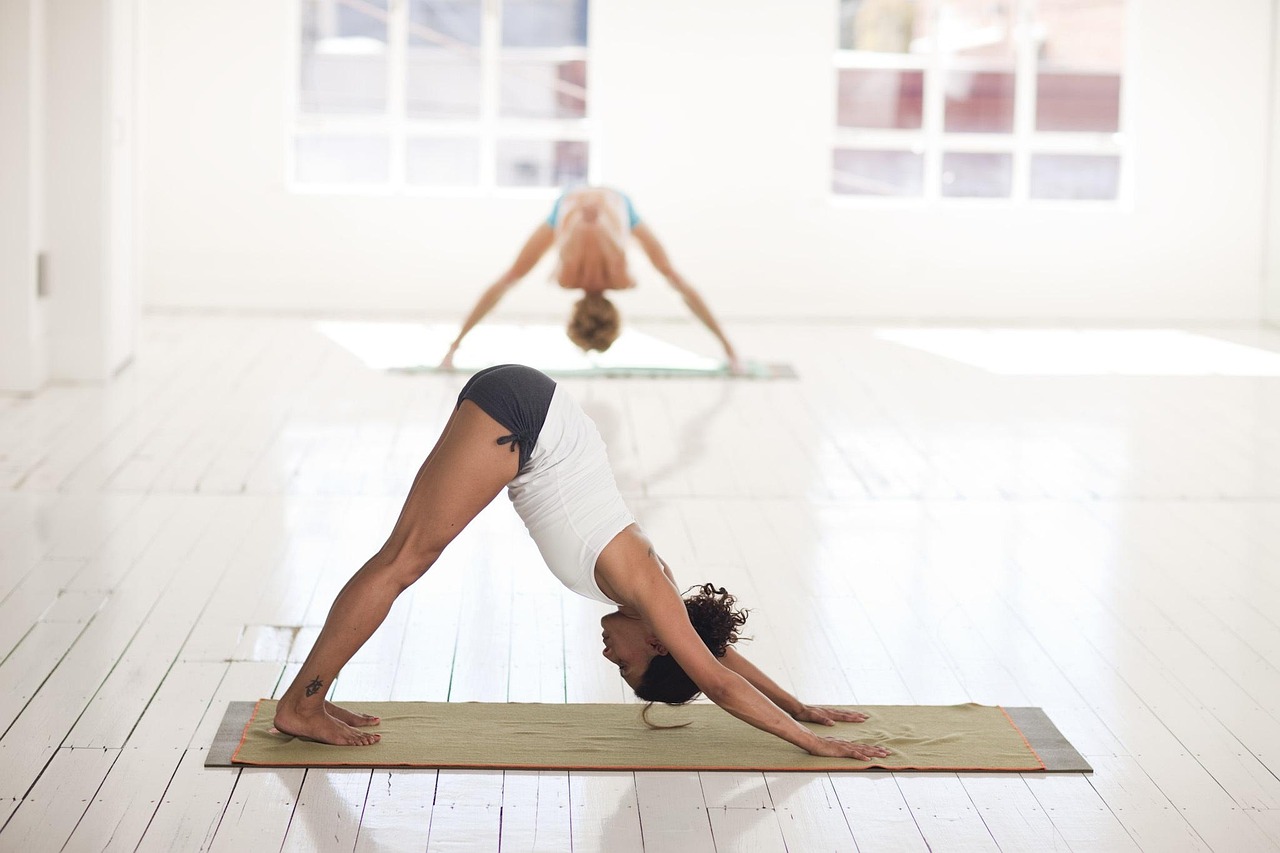
Begin with the Downward Dog, a fundamental pose that stretches the hamstrings, calves, and back. To perform this pose, start on your hands and knees, then lift your hips towards the ceiling, creating an inverted V-shape. Hold the position for five deep breaths, feeling the stretch in your legs and spine. Next, transition into the Forward Fold, which further enhances hamstring flexibility. Stand tall, breathe out, and hinge forward at your hips while letting your upper body hang and relaxing your neck. For a deeper stretch, bend your knees slightly if necessary. Afterward, practice the Cobra Pose, which opens up the chest and expands back flexibility. Lie on your stomach, place your hands under your shoulders, press into the ground, and lift your chest. Hold this pose, breathing deeply, and enjoy the gentle stretch in your spine. Keep in mind that achieving flexibility takes time, and it is important to listen to your body and avoid any discomfort or pain.
Essential Stretches for Better Flexibility
The next essential yoga stretch is the Seated Forward Bend, which focuses on the lower back and hamstrings while refining overall flexibility. Sit with your legs extended before you and grasp your feet or shins. With every exhale, gently deepen the stretch while ensuring your back remains straight. This pose also helps center your thoughts and enhance your focus. Following the Forward Bend, practice the Pigeon Pose to significantly increase hip flexibility. Begin from the hands-and-knees position and bring one knee forward between your hands while extending the opposite leg straight back. Sink into the pose while maintaining an even breath, allowing your hips to open gradually. Camel Pose is another excellent stretch that opens the front body, especially the chest and hip flexors. Kneel with your knees hip-width apart, and lean back to touch your heels, using your hands. With each breath, allow your chest to lift and expand, feeling the stretch in your entire body while ensuring proper alignment.
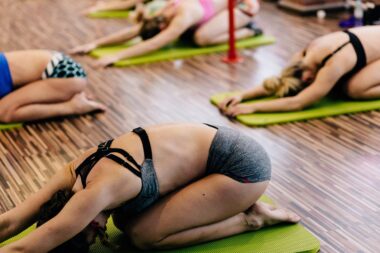
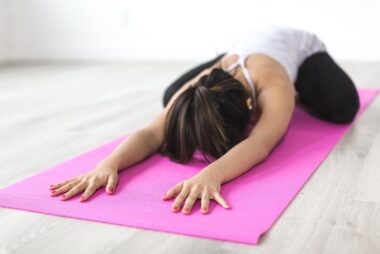
Next, we have the Bridge Pose, which is a fantastic exercise for strengthening the back while also promoting flexibility in the spine. Lie on your back with your knees bent and feet hip-width apart on the floor. Press through your feet, lifting your hips towards the ceiling while squeezing your glutes, and enjoy the stretch across your chest and neck. The Triangle Pose is yet another essential stretch, targeting the legs, hips, chest, and shoulders. Stand tall with feet apart, extend arms sideways, and shift your hips while reaching down towards your foot. This will provide a good stretch to your hamstrings and torso simultaneously. Finally, round out your flexibility practice with Child’s Pose, which helps release tension in the body and refocus the mind. Kneel on the mat and hinge forward, resting your torso atop your thighs, with arms extended in front or along your body. This closing stretch allows you to reflect on your practice, enhancing mindfulness and relaxation.
Incorporating Breathing Techniques
Incorporating breathing techniques into your yoga routine is crucial for maximizing flexibility. Breath control can deeply influence the effectiveness of your stretches, allowing for greater relaxation and deeper poses. When you breathe mindfully during your stretches, you help calm the nervous system, which supports muscle relaxation. Start each session with a few rounds of deep, rhythmic breathing. Inhale deeply through the nose and then exhale fully through the mouth. This practice of awareness also enhances your connection with the body, enabling you to listen to its limitations and strengths. Once you’ve established this connection, it will become easier to focus your breath on the areas being stretched. Try to synchronize your breath with each movement, inhaling as you prepare for the stretch and exhaling as you sink deeper into the pose. Over time, this practice will cultivate not only physical flexibility but also emotional release, creating a balanced yoga practice that benefits both body and mind.
Remember that consistency is key when aiming to boost flexibility through yoga. Set a schedule that allows for regular practice, aiming for at least two or three sessions each week. You may also choose to integrate shorter routines into your daily life, such as doing a few stretches in the morning or evening. It’s vital to approach your practice with patience and compassion for yourself. Flexibility progresses at different paces for everyone, so do not compare your journey to others. Keep a journal to track your progress and note the improvements you begin to experience over time, which can serve as motivation. These essential yoga stretches can ultimately contribute significantly to your overall health and well-being. Feel free to mix and match the poses to create a sequence that resonates with you. Explore various variations and modifications if you’re new to yoga, and remember that listening to your body will guide you toward achieving your flexibility goals effectively.
Conclusion on Yoga and Flexibility
In conclusion, yoga is a fantastic practice to enhance flexibility while providing numerous mental and physical benefits. The essential stretches highlighted in this article form a comprehensive approach that targets not only flexibility but also strength and mindfulness. As you practice these poses, pay special attention to how your body responds, adjusting your technique as needed to avoid strain or discomfort. Flexibility is not the sole focus; developing strength and balance within each pose will lead to a more rounded practice. Throughout your yoga journey, maintain a positive mindset, celebrating your progress rather than seeking perfection. Remember that everyone has a unique body and experiences yoga differently, so embrace your journey. As you become more flexible, you may find physical and emotional relief that enhances your overall quality of life. Establishing a focused yoga routine will serve as a highlight of your daily self-care, building a long-lasting relationship with your equilibrium and well-being.