
The Influence of Proper Footwear on Injury Prevention in Kids
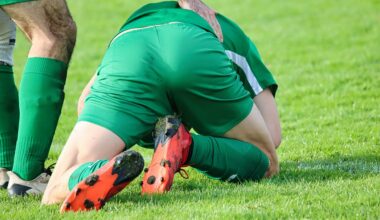
In the realm of youth sports, injury prevention is a critical consideration that cannot be overlooked. One major factor contributing to injuries among young athletes is the lack of proper footwear. Many parents and coaches underestimate how crucial shoes are for performance and safety during physical activities. Proper footwear provides not only adequate cushioning but also necessary support for the feet and ankles. When kids engage in sports, such as soccer or basketball, the right shoes can significantly reduce the risk of sprains, fractures, and other common injuries. Furthermore, a well-fitted shoe enhances overall performance, allowing young athletes to focus on their game instead of foot pain. Many injuries stem from either unsuitable or worn-out shoes that fail to offer proper support. Therefore, investing in high-quality sports shoes specifically designed for the type of activity can make a positive difference in injury rates. It is imperative for coaches and parents to prioritize footwear in their training routines, ensuring that kids are protected as they develop their skills and fight to excel in their chosen sports.
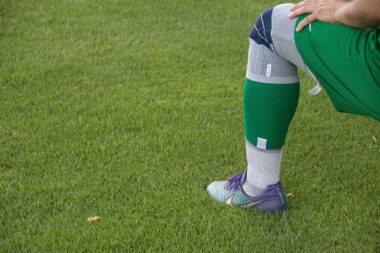
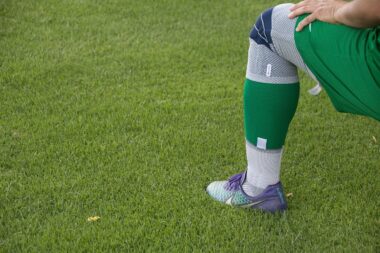
Another vital aspect of selecting proper footwear is understanding foot development in children. Kids’ feet are still growing and can be quite sensitive to the hard surfaces often found in sports arenas. Shoes that do not fit correctly may cause issues that could lead to long-term consequences, such as deformities or chronic pain. Therefore, it is essential to measure children’s feet regularly to ensure they are wearing the correct size. Besides size, different sports require different types of shoes. For instance, basketball shoes are designed to provide ankle support, while soccer cleats offer traction on grass surfaces. As a parent or coach, recognizing these differences is crucial. The right type of shoe can stabilize the foot and prevent injuries like plantar fasciitis or Achilles tendonitis, which can derail a budding athlete’s career. By understanding these factors, you empower children to engage in sports more confidently, thus contributing to a healthier lifestyle overall. Encouraging young athletes to wear the correct footwear leads not only to injury prevention but also helps them to enjoy sports fully.
Choosing the Right Footwear
When choosing footwear for young athletes, comfort should be a priority. Kids tend to be more energetic and active, and shoes that pinch or rub can lead to discomfort and distraction during games. In addition, the materials used in the shoes should allow for breathability to help keep feet dry. Look for shoes made from lightweight materials and designed to wick moisture away, as sweaty feet can also increase the chances of blisters and other injuries. Another important point is to encourage kids to try shoes on with the socks they plan to wear. This helps ensure a proper fit and adds to the comfort of the shoe. Kids should be able to wiggle their toes and have enough space at the heel without slipping. Making shoe shopping an engaging experience, where children can express their preferences and even try on multiple pairs, can encourage them to take an interest in their own safety and comfort. Lastly, parents should keep an eye on wear and tear and replace shoes as necessary to provide optimal support during sports activities.
In addition to the choice of footwear, educating kids about the importance of their shoes can promote more responsible behavior regarding their sports gear. Not only should children be aware of how to select appropriate footwear, but they should also understand proper shoe care. This includes routine cleaning and maintenance, as well as recognizing when shoes have lost their effectiveness or support. Regularly assessing footwear by checking for visible wear—like thinning soles or leaks—is essential. This proactive approach ensures that as kids grow and change, their footwear also remains in line with their needs. Teaching kids to respect their equipment, including shoes, instills a sense of accountability they can carry into adulthood. Parents can implement a routine check every few months to ensure shoes are in optimal condition, which can also spark conversations about injury prevention. Such discussions are vital in creating a culture of safety and awareness in youth sports, as kids learn to prioritize their physical well-being alongside their passion for the game.
Education and Awareness
Awareness campaigns regarding the significance of proper footwear in youth sports can also contribute positively to injury prevention. Coaches, schools, and sports organizations can implement educational programs highlighting how various footwear options affect performance and safety. These initiatives can educate athletes and parents on the benefits of proper shoe selection while offering practical advice on maintaining footwear and assessing fit. Workshops and free fitting events can be organized to provide families with professional insights on what to look for in sports shoes. Additionally, it is vital to emphasize the general principles of injury prevention, including the role of hydration, warm-up exercises, and appropriate training regimens. When awareness of these factors is raised, young athletes are more likely to take ownership of their safety. Schools can also engage students through classes or assemblies focused on health and fitness, incorporating discussions about injury prevention and footwear. By fostering an environment where information is shared openly, we can ensure that children are not only well-equipped for sports but also informed on how to play safely.
Injury prevention strategies should be regularly reviewed and updated based on emerging research in youth sports. Professionals in sports medicine continuously discover new insights into how footwear impacts injuries and overall athlete performance. This means that parents, coaches, and sports organizations need to stay informed about the latest developments and recommendations. Relevant studies may indicate specific shoe types or materials that enhance performance and help prevent injuries. Understanding these trends can guide a community in adopting best practices for youth sports. Collaboration among professionals, including podiatrists, coaches, and trainers, is crucial. Creating a team approach enables a more holistic discussion about athlete safety, focusing on footwear as just one piece of a larger puzzle. Including this valuable perspective can lead to faster adoption of changes that benefit kids playing sports. As new information comes forward, sharing findings through newsletters, meetings, and digital platforms can ensure awareness within the community, ultimately leading to a culture where injury prevention through proper footwear choice is standard practice.
Conclusion
To conclude, the influence of proper footwear in injury prevention for young athletes is undeniable. By recognizing the risks associated with poor fitting or unsuitable shoes, parents and coaches can actively work to safeguard children during sports activities. Investing in quality, sport-specific footwear is essential in minimizing injuries and enhancing performance. Moreover, education plays a significant role in promoting awareness about this necessity. As children grow, they need support in understanding the importance of their shoes and how to care for them effectively. This responsibility lays the groundwork for better future practices in athletics. From selecting shoes based on activity type to ensuring regular fit assessments, every step taken can contribute to a safe sports experience. The well-being of young athletes should always be a top priority, alongside their love for their chosen sports. By fostering a culture of care and responsibility surrounding footwear choices, we set the stage for a generation of healthier, injury-resistant athletes. Investing time and resources into proper footwear is an investment in their future, a crucial element in developing lifelong fitness and sports habits.
This article serves as an essential guide for optimizing youth sports experiences by emphasizing the role of footwear.