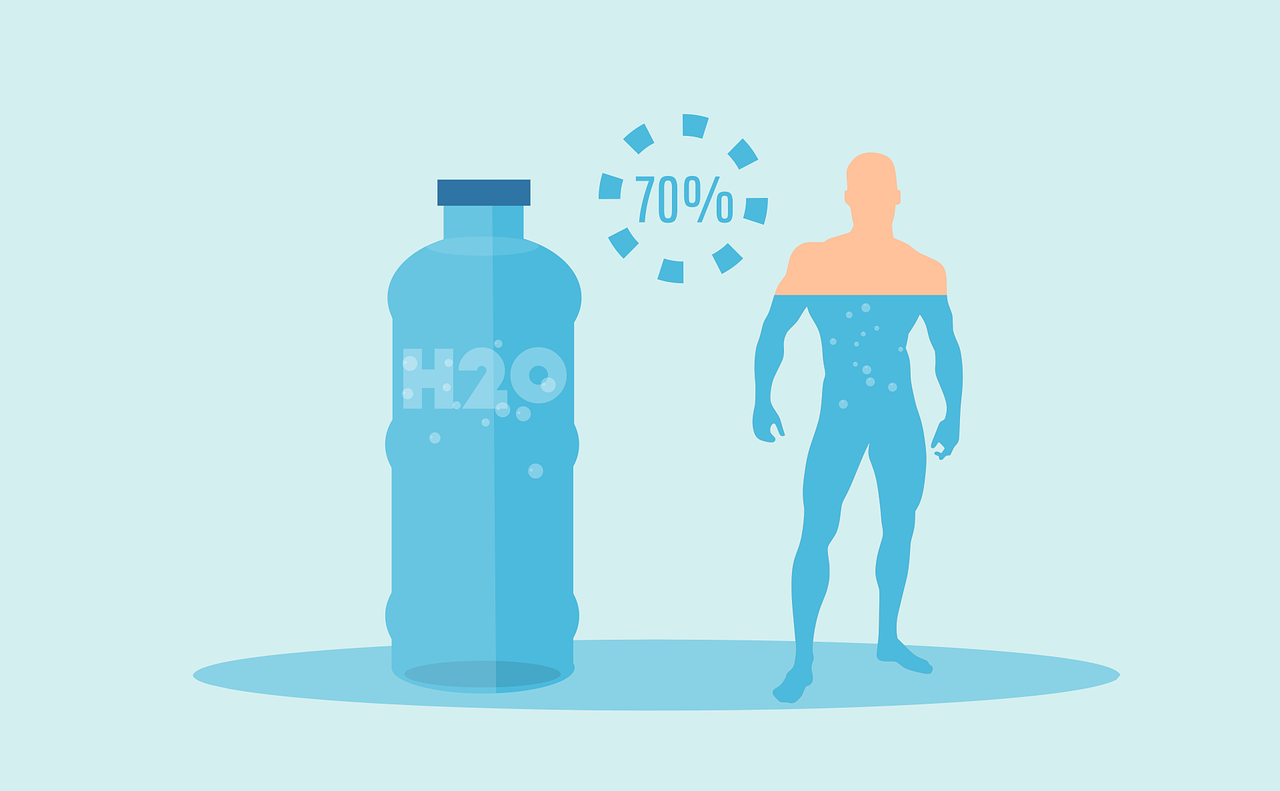

How Dehydration Affects Coordination and Balance
Dehydration is a state that can impact various bodily functions, particularly coordination and balance. When the body lacks sufficient water, it can lead to a decrease in cognitive function and physical performance. Symptoms such as dizziness, confusion, and reduced motor skills may manifest, compromising balance significantly. The brain, which is around 75% water, relies on proper hydration to maintain focus and coordination during physical activities. A well-hydrated body allows for optimal functioning by ensuring that all muscles and joints operate smoothly. Furthermore, dehydration affects the ability to perceive and react to external stimuli, which is vital in maintaining balance. Activities that involve fine motor skills, such as sports, art, or even walking, can become increasingly difficult without adequate water intake. Regular hydration not only enhances overall health but also protects against these adverse effects. Therefore, understanding the importance of maintaining appropriate hydration levels is crucial for everyone, especially those engaging in physically demanding tasks or exercises. By focusing on increasing water intake through healthy habits, individuals can significantly enhance their coordination and balance.
There are several practical tips for increasing water intake to combat dehydration effectively. One effective strategy is setting hydration goals, such as drinking a specific amount of water by lunchtime. Carrying a refillable water bottle can remind individuals to drink regularly throughout the day. Adding flavorings such as fruits, herbs, or even a splash of citrus juice can make drinking water more enjoyable, encouraging higher consumption rates. Incorporating water-rich foods like fruits and vegetables into meals not only contributes to hydration but also enhances overall nutrition. Foods with high water content such as cucumbers, oranges, and watermelon are delicious and nutritious options. Tying drinking water to specific activities, such as before meals or after completing a task, can promote regular intake. Additionally, using technology offers another way to remind individuals when it’s time to hydrate. Many apps track water consumption and provide alerts to help establish a consistent routine. All these strategies can support an ongoing commitment to staying hydrated, which, in turn, can help maintain physical and cognitive performance, thus positively affecting coordination and balance.
The Role of Electrolytes in Hydration
Hydration isn’t solely about water intake; electrolytes play a crucial role in maintaining proper bodily function. Electrolytes, such as sodium, potassium, and magnesium, are essential for nerve and muscle function and work to balance fluid levels. A deficiency in electrolytes can lead to symptoms similar to dehydration, including fatigue, muscle cramps, and poor concentration. These symptoms can exacerbate coordination and balance issues, especially during physical exertion. When water intake is solely prioritized without considering electrolytes, individuals may experience negative effects on health and performance. Hence, it is crucial to incorporate foods or drinks that replenish these vital minerals post-exercise. Sports drinks, while often marketed for high-performance athletes, can provide a beneficial mix of fluids and electrolytes when consumed judiciously. Additionally, natural sources, such as bananas for potassium and nuts for magnesium, can help ensure adequate mineral levels. Understanding the balance between fluid and electrolyte intake assists in optimizing hydration strategies for better health outcomes. This balance can ultimately lead to improved coordination and stability in daily activities and sports.
Staying hydrated can substantially influence athletic performance across diverse sports and activities. As the body loses fluids through sweat during exercise, it is essential to replace those lost fluids efficiently. Dehydration during a workout can lead to decreased endurance and strength, impacting an athlete’s capability to perform. In sports like running or cycling, where agility and balance are key, hydration levels directly affect performance. Even a small decline in hydration can impair both cognitive and motor functions, leading athletes to feel more fatigued than usual. This fatigue can decrease an athlete’s ability to respond quickly, resulting in coordination challenges that impede performance levels. Importantly, athletes should establish a hydration plan tailored to their individual needs based on their activity level and environmental conditions. This tailored approach can include pre-hydrating before exercise, as well as consistent intake throughout physical activity. By prioritizing hydration, athletes can elevate their performance, stay focused, and uphold balance during competition or training. Such attention to hydration can not only enhance individual performance but also protect against the risks associated with dehydration.
Recognizing Signs of Dehydration
To manage hydration effectively, individuals must be able to recognize signs of dehydration. Early detection of dehydration symptoms can prevent further health complications. Common indications include dry mouth, fatigue, and dark urine. As dehydration progresses, more severe symptoms such as dizziness, confusion, and reduced coordination may manifest. It is vital for individuals, especially those engaging in high-intensity activities, to monitor their hydration status actively. Awareness of personal hydration needs can be influenced by factors such as body composition, activity level, and climate conditions. For instance, people in hotter environments or high altitudes may need to hydrate more frequently due to increased fluid loss. Besides monitoring physical symptoms, tracking water intake through diaries or hydration apps can help maintain a regular consumption rate. By leveraging technology, you can implement effective hydration strategies that suit your lifestyle needs. Proactively managing hydration levels not only supports better performance but also protects against the cognitive decline associated with dehydration. Building awareness around the signs of dehydration and committing to regular intake can enhance coordination and overall well-being.
Creating a consistent hydration routine involves actionable steps that turn healthy habits into daily practices. For many individuals, incorporating drink reminders can help establish these habits, whether through phone alarms or written notes on a refrigerator. Additionally, replacing soft drinks or caffeinated beverages with water can significantly increase hydration while decreasing sugar intake. Making hydration more appealing, such as drinking herbal teas or flavored waters, is another addition to consider. Establishing specific times during the day for water intake creates structure, ensuring that it becomes a natural part of a daily routine. Pairing water intake with meals further encourages hydration while enhancing digestion. Being honest about personal preferences can help tailor hydration strategies effectively, as some individuals may prefer colder water while others enjoy it at room temperature. These small adjustments can lead to a consistent habit that fosters optimal hydration. When hydration becomes an integrated part of daily life, balance and coordination can dramatically improve; therefore, a commitment to hydration is a long-term investment in health and performance.
Long-Term Benefits of Hydration
Maintaining consistent hydration over time yields numerous long-term benefits beyond simply improving coordination and balance. A well-hydrated body promotes efficient digestion, nutrient absorption, and waste elimination. Hydration also plays a significant role in regulating body temperature, ensuring optimal performance in various activities. Moreover, staying hydrated can enhance skin health, as water is crucial for maintaining skin elasticity and reducing dryness. By committing to a proper hydration routine, individuals may notice an increase in their overall energy levels and mood stability as well. Hydrated individuals may experience improved cognitive function, supporting more efficient problem-solving and creativity. This long-term focus on hydration can lead to better health outcomes such as a lower risk of chronic illnesses, especially those related to cardiovascular health. Additionally, maintaining hydration throughout life positively impacts aging positively by reducing skin and joint issues. Sources of hydration can vary from plain water to high-water-content foods, such as fruits and vegetables. By prioritizing hydration, individuals invest in their health, experience increased energy, and see direct improvements in coordination and balance.
In conclusion, hydration status is essential for maintaining optimal coordination and balance, supported by implementing practical hydration strategies. By prioritizing adequate water intake and recognizing signs of dehydration, individuals can significantly influence their well-being and performance. The detailed understanding of hydration’s impact on body functions and physical performance underlines the importance of adopting these practices. Committing to hydration not only enhances athletic performance and cognitive function but fosters long-term health benefits that extend into every facet of life. Making choices to stay hydrated during day-to-day activities, especially during exercise, is crucial for achieving personal fitness goals. Additionally, understanding the balance between fluid intake and electrolytes enhances the body’s ability to maintain function and stability. The journey toward optimal hydration is ongoing and can be customized based on individual needs and lifestyles. In essence, embracing hydration strategies can lead to profound changes in coordination and balance, significantly benefitting overall health and quality of life. Ultimately, awareness and commitment to these habits will pave the way for a healthier, more balanced existence.