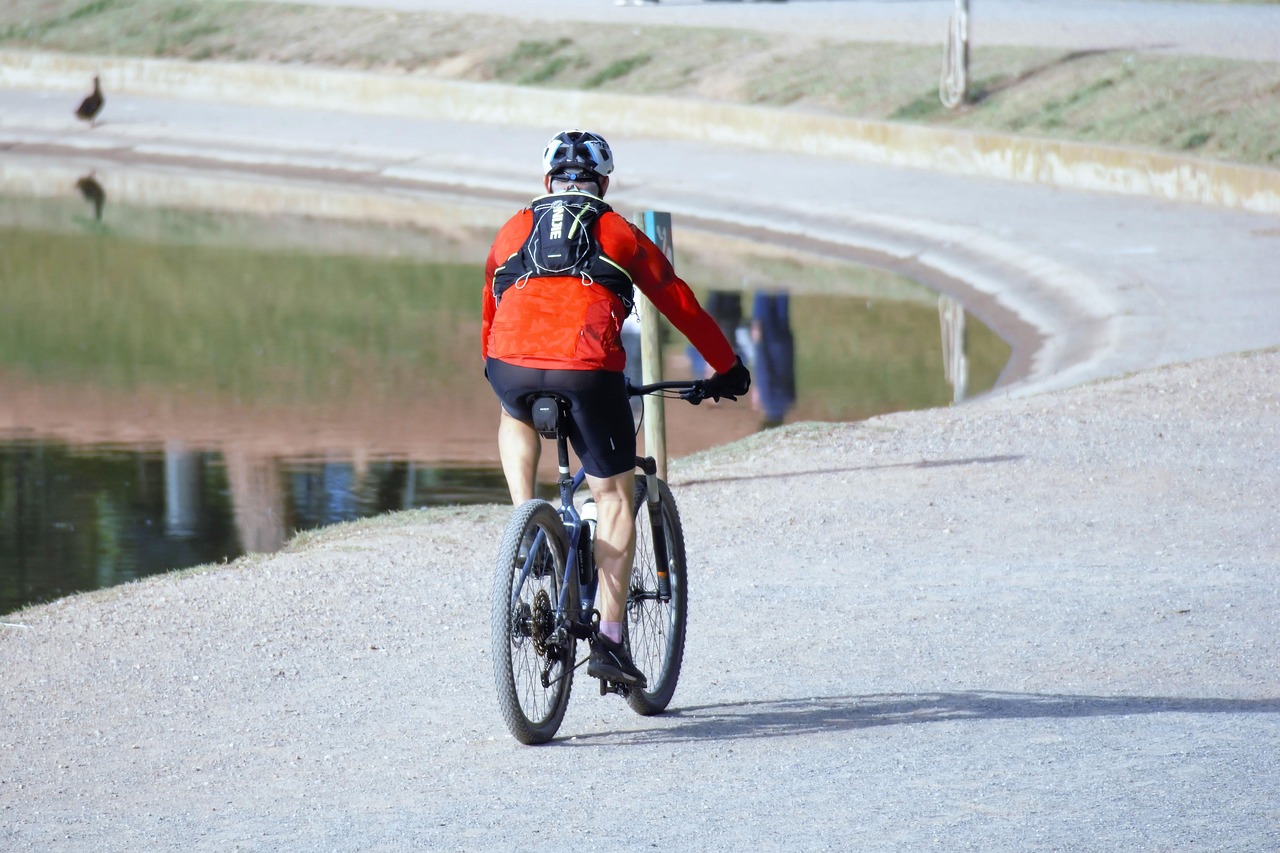

Week 40 Endurance Cycling: Balancing Speed and Endurance
Endurance cycling requires a comprehensive workout plan that focuses on building stamina while maintaining speed. In Week 40, the goal is to find an optimal balance between these two crucial aspects. Start with a solid understanding of your fitness level and adjust your sessions accordingly. The workout should ideally include various cycling drills that target both endurance and speed. These can range from long, steady-state rides to shorter, high-intensity intervals. Incorporate different terrains into your rides to challenge your body in diverse ways. Always remember to listen to your body and modify your workouts based on how you feel. Hydration and nutrition play vital roles, so ensure you are well-fueled before each ride. Consider bringing adequate snacks, like energy bars or gels, to have something to consume during your longer sessions. Another important tip is to maintain a consistent cadence, which helps build your endurance effectively. Utilize gear that is suitable for long rides, as comfort is paramount to prevent fatigue. A well-structured plan will ensure you maximize your endurance without compromising speed, setting you up for success in your cycling endeavors.
To effectively balance speed and endurance, incorporate training sessions that target both aspects throughout the week. A well-rounded plan typically includes several rides that vary in length and intensity. For example, reserve a couple of days for longer, slower rides that build base endurance. These sessions should focus on maintaining a steady pace while gradually increasing the distance over time. On other days, integrate high-intensity interval training (HIIT) sessions, usually performed at a pace higher than your standard riding speed. HIIT can significantly improve both your aerobic and anaerobic capacity, essential for cycling performance. Pair these high-intensity days with adequate recovery days, allowing your muscles the necessary time to repair and strengthen. Remember that active recovery, such as light cycling or cross-training, is also crucial to avoiding burnout. Always aim to warm up before these sessions and cool down afterward to prevent injuries. Consider using a heart rate monitor to gauge your efforts, ensuring you stay within ideal zones for both endurance and speed training. Balancing these aspects within your workout plan can drive improvements that will benefit your performance when it matters most.
Nutrition and Hydration in Endurance Cycling
Nutrition and hydration constitute key components of a successful endurance cycling program. Focusing on an appropriate diet tailored to your training is critical, especially as the training intensity ramps up. Carbohydrates should be a primary fuel source for cyclists, alongside adequate protein for muscle repair after long rides. Prioritize meals rich in whole grains, fruits, and vegetables to provide sustained energy. In addition to solid food, be mindful of your hydration levels; staying well hydrated can prevent fatigue and cramping. Ensure you drink ample water before, during, and after rides. Consider hydration packs or bottles to make drinking more convenient. During longer rides, supplement your water consumption with electrolyte drinks or snacks that contain sodium and potassium to replace what you lose through sweat. Aim for small, frequent snacks to maintain energy levels and optimize performance. Pre-ride meals should consist of easily digestible carbohydrates, allowing you to cycle comfortably. In the end, prioritizing your nutrition and hydration can make a significant difference in your cycling experience, promoting both peak performance and recovery throughout your training.
A significant aspect of achieving endurance in cycling is ensuring proper recovery techniques alongside your workout plan. Recovery allows your muscles to repair and grow after rigorous training, reducing the risk of injury while enhancing your performance. Focus on implementing rest days strategically throughout the week. During these periods, consider including light activities like yoga or stretching to maintain flexibility. Post-ride recovery should not be overlooked. Immediately after a ride, focus on rehydration and nutrition to support muscle recovery. Aim for a protein-rich meal or shake soon after riding to kick-start the recovery process. Additionally, getting enough sleep is crucial for overall recovery, as sleep plays a significant role in muscle repair. Treatments like foam rolling or massages can help further alleviate muscle tension and enhance recovery. Experiment with different methods to determine what best facilitates your recovery. Mental recovery is equally important; ensure you have a balanced training plan that integrates enjoyment and relaxation. This holistic approach to recovery can significantly enhance your endurance over time, ensuring sustained performance levels throughout your cycling journey.
Setting Goals for Your Endurance Cycling
Setting realistic and achievable goals is essential for your endurance cycling success, helping create a clear path forward in your training process. Begin by determining what you aim to achieve by the end of Week 40 and beyond; this could include performance targets, distances, or participation in events. Break these goals into smaller, manageable milestones that you can reach weekly or monthly. This aspect will build confidence and motivation while allowing you to assess your progress effectively. Remember to keep your goals SMART: Specific, Measurable, Achievable, Relevant, and Time-bound. Recording your achievements, setbacks, and learning points during your rides enables reflection, contributing valuable insights to improve your plan. Regularly review your goals and be prepared to adjust them as your fitness level evolves. Maintaining motivation is vital as you embark on this endurance journey. Engage with community cycling groups or online platforms for shared encouragement and camaraderie. Establishing goals tailored to your personal ambitions can serve as a powerful driving force, making the experience fulfilling as you progress through your endurance cycling adventure.
Connecting with fellow cycling enthusiasts can play a vital role in enhancing your endurance cycling training. Engaging with a community creates opportunities for shared experiences and collective motivation. Consider joining local cycling clubs, participating in group rides, or following online forums dedicated to cycling. Sharing training tips, nutrition insights, and riding challenges can enhance the overall experience. Additionally, cycling partners can help push you beyond your limits, making workouts more enjoyable and exciting. Working with others can also provide accountability, ensuring that you stick to your workout plan and goals. If you have access to virtual cycling challenges, participate in them; these can serve as excellent motivation to stay on track during your training. Track group ride distances and speeds together and celebrate personal achievements, big or small. Collaboration can create lasting friendships while making the pursuit of endurance cycling a fun and lively journey. Furthermore, exploring new trails or routes with friends can infuse excitement into your routine. Finding camaraderie in the cycling community can bolster your motivation, allowing you to push through challenging days and achieve exceptional results.
Final Thoughts on Week 40 Endurance Cycling
As you progress through Week 40 of your endurance cycling efforts, remember that achieving meaningful results requires patience, commitment, and consistency. Reflect on the progress you have made and celebrate every achievement on your journey. Be prepared to face challenges along the way, but view these obstacles as opportunities to grow and learn. Learning new techniques or adjusting your strategies when necessary can lead to breakthroughs in performance. Always maintain a positive mindset and embrace any potential setbacks as part of the cycling experience. Remember to pay attention to your body and adjust your training as needed. Adopting a harmonious approach that prioritizes speed, endurance, recovery, nutrition, and community can lead to rewarding developments in your cycling abilities. Consider sharing your experiences with others, inspiring and encouraging fellow cyclists along their journeys. Engage in continual learning about cycling techniques, training methods, and nutritional practices, remaining open to new ideas. Ultimately, a well-structured and balanced workout plan will not only prepare you for endurance challenges but can also cultivate lasting friendships and a love for the sport overall.
Keep in mind that every cyclist’s journey is unique, and your training plan should evolve depending on your specific needs and goals. Take the time to assess what is most effective for you, remaining flexible in your approach as you gain experience. Embrace feedback from more experienced cyclists and incorporate what resonates with you. Gaining insights from professionals or seasoned enthusiasts within the cycling community can enhance your understanding of the sport. Concentrate on perfecting your cycling form and techniques, as this will contribute to improved efficiency on the bike. Focus on body positioning, breathing, and pedal stroke to ensure maximum power transfer during your rides. Constantly refine these elements to cultivate good cycling habits. Additionally, keeping a training log can greatly assist in identifying patterns in performance and areas for further improvement. Documenting your feelings and energy levels during rides will provide clarity on how different training aspects affect your body. This valuable information will empower you to optimize your training regimen, making informed decisions that facilitate growth as an endurance cyclist in the long run.