
Defensive Drills for Infielders and Outfielders
In baseball, developing defensive skills is crucial for both infielders and outfielders. Coaches must implement effective drills to enhance players’ abilities, ensuring better team performance. Understanding various positions helps players adapt quickly during the game. Therefore, the initial focus should be on footwork drills that improve agility and speed. One recommended drill involves players shuffling side to side while catching grounders or fly balls. Additionally, players should practice their throwing accuracy and strength by targeting specific bases. An effective drill for this involves a series of throws to different target areas, enhancing both fielding and throwing skills. Coaches should monitor players closely to ensure they use the correct mechanics for throwing to avoid injury. Based on the skill levels, drills may be adjusted for younger players, emphasizing fundamentals. Practicing simultaneously with both infielders and outfielders in drills promotes teamwork and understanding of gameplay dynamics. Overall, repetitive training increases muscle memory, crucial during real games, ensuring players can execute plays flawlessly when it counts. This practice encourages confidence, ultimately improving overall team defense and strategy during competition.
Key Defensive Skills for Players
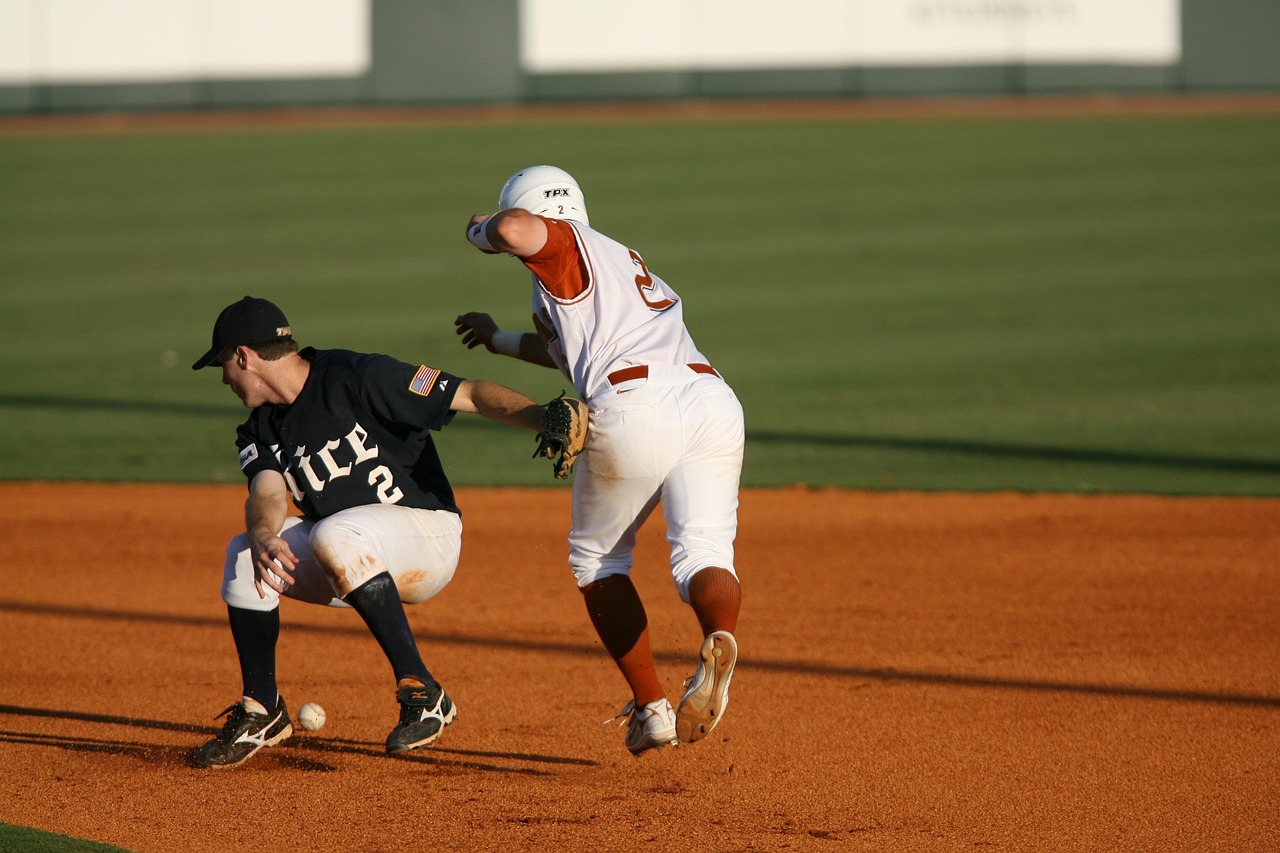
Each player must develop essential defensive skills to succeed on the field. Infielders should focus on quick reflexes, strong arm strength, and accurate throws. A beneficial drill is the “short-hop drill,” where players practice fielding balls that bounce just before reaching them. This drill teaches them to react swiftly and adjust their body position accordingly. Meanwhile, outfielders must master tracking fly balls and using their body language efficiently. The “drop step drill” is instrumental in teaching outfielders how to turn and sprint towards the ball quickly. Even simple practices like catching with gloves can build confidence when making tough plays in games. Furthermore, understanding base running dynamics is vital for defensive strategies. Players should be aware of where to throw the ball under various situations to get runners out. Another critical skill is the ability to communicate effectively with teammates. Drills that involve calling for the ball help players learn collaboration and verbal cues. Effective communication can prevent errors during crucial moments in games and enhance the team’s defensive play. Thus, mastering these key skills can significantly impact a player’s overall defensive capabilities.
Fundamental footwork is vital for defensive success, significantly aiding both infielders and outfielders. One foundational drill uses cones, instructing players to navigate around them while maintaining proper fielding positions. Practicing this enhances footwork, allowing for quicker movements during actual gameplay. Coaches should emphasize staying low during fielding to maintain balance and mobility. For infielders, the “bucket drill” is an excellent way to focus on hand positioning while receiving ground balls. Players should incorporate thorough repetitions in their training routines, as muscle memory is vital. Determining the appropriate angles for fielders to approach hit balls also improves responsiveness. Outfielders, conversely, must prioritize reading the ball off the bat. Drills simulating various types of hit balls can prepare players for actual game situations, enhancing reaction time and positioning capabilities. Utilizing video analysis can also assist players in understanding their footwork and positioning better. As players develop these skills, they will realize how integral footwork is to overall performance. Ultimately, dedicating time to mastering these fundamentals leads to improved diamond defense and results in fewer errors during competitive games.
Importance of Communication in Defense
Success in baseball defense heavily relies on clear communication among teammates. Effective verbal cues, like calling for the ball, can reduce mistakes during the game. Infielders often face challenges when multiple players converge on a pop-up, and the correct call can prevent collisions. During drills, incorporating talking as a fundamental aspect is critical. Teams should practice specific phrases, signaling when players will take control of a catch or play. Moreover, defensive positioning is influenced significantly by communication; players must relay information regarding batters, runners, and each other’s placements. Implementing situational drills where players interact and call out roles can develop this skill. Coaches should encourage a supportive atmosphere where players feel comfortable expressing themselves on the field. This bond fosters stronger relationships between teammates, ultimately resulting in better performance during games. Additionally, rehearsing defensive strategies throughout practices prepares teams for any unexpected situations that may arise during matches. Building trust through communication can help players react faster and make more strategic decisions under pressure in high-stakes sequences. Overall, prioritizing communication during training sessions leads to a more coordinated and effective defense against any opponent.
As seasons progress, coaches often need to implement game-like situations in practice to prepare their players. Simulated games are ideal for honing both infielders’ and outfielders’ skills under pressure. During these scenarios, players face live hitting and must transition from offense to defense quickly. To further enhance realism, involve base runners to challenge fielders’ decision-making capabilities. Drills helping to develop situational awareness can significantly strengthen a player’s understanding of game dynamics. Players ought to practice fielding, throwing, and immediate base coverage from various angles. Incorporating feedback sessions after simulated games allows players to analyze their performances collectively. Tailoring practices based on these reflections can pinpoint skills needing improvement, raising overall team efficiency. Essential to focus on repetition, as muscle memory is reinstated through various game situations. Coaches should prioritize specific outcomes they want from each drill, reinforcing players during evaluations. Moreover, tracking players’ progress can motivate them to achieve their goals throughout the season. Creating an enjoyable atmosphere encourages players to embrace challenges in simulated games. Thus, focusing on game-like situations in practice creates more resilient defenders capable of executing plays during crucial moments in real games.
Advanced Defensive Drills
In addition to foundational drills, advanced techniques play a vital role in a player’s growth. Once basic skills are mastered, players can incorporate more complexity into their training. For instance, practicing communication skills under pressure can be enhanced by implementing timed scenarios in drills. Here, players focus on making quick decisions while coordinating with their teammates effectively. Another advanced drill involves reactionary jump drills, where players learn to field balls based on anticipated direction and speed. Teaching players to read a batter’s stance also assists in improving their defensive readiness. Incorporating this into game scenarios builds a solid skill set that players can carry into competitive play. Coaches can utilize technology by analyzing player movements through recorded sessions, helping fine-tune each player’s technique. It becomes essential for understanding specific strengths and weaknesses. Additionally, introducing high-pressure situations during training fosters resilience and determines how well players respond to challenges. Finally, recognizing gaps in players’ skill sets allows for tailor-made practices to address these weaknesses. This approach consolidates overall team defense, empowering players with confidence during crucial game moments. Engaging in advanced training can lead to remarkable player transformation and team improvement.
A crucial role for defenders includes developing certain mental strategies along with physical skills. The mental aspect of baseball cannot be ignored, as strategic awareness impacts performance considerably. Players should practice visualization techniques to anticipate the play before it occurs. Through this method, players mentally prepare for various scenarios, enhancing response time during actual gameplay. Also, having an understanding of hitters, their tendencies, and hitting patterns can aid in making informed defensive plays. Coaches should encourage players to focus on adapting and adjusting their strategies based on the game situation and opponents. Another critical mental skill is situational decision-making, where players learn when to be aggressive and when to be conservative based on situational dynamics. Holding discussions after drills on individual performances can cultivate a better understanding of strategic opportunities. In addition, players should engage in self-reflection, identifying areas for personal growth as defensive players. Encouraging a growth mindset promotes ongoing improvement and dedication to mastering defensive skills. Ultimately, developing awareness contributes significantly to enhanced game performance and confidence while facilitating better collaboration with teammates. By integrating mental strategies with physical drills, defenders can establish themselves as valuable players on the field.
Conclusion and Continuous Improvement
To sum up, defensive drills for infielders and outfielders are essential components of baseball coaching. Through targeted training sessions, players will develop the necessary skills to excel defensively. Coaches must focus on key aspects like communication, footwork, and mental strategies to cultivate confidence and effectiveness on the field. Regularly incorporating both basic and advanced drills engages players and maximizes their training outcomes. Efforts must be redirected towards creating an enjoyable learning environment, where players can identify and address their weaknesses constructively. By fostering collaboration and teamwork, players enhance not only their abilities but also the fulfillment they extract from the game. Building resilience through challenging drills encourages a commitment to continuous improvement, leading to better game outcomes. Ensuring that practices mimic real game situations prepares players effectively for competitive play, fostering readiness and adaptability. Ultimately, coaching is a continuous learning journey, where feedback and evaluations promote skill growth. As players embrace challenges, they will cultivate a deeper understanding of the game and enhance their contributions to their teams. Always remaining open to new strategies and training methods, defenders can elevate their performance and be an integral part of a winning team.