
Effective Warm-Up Routines Before Plyometric Calisthenics Sessions
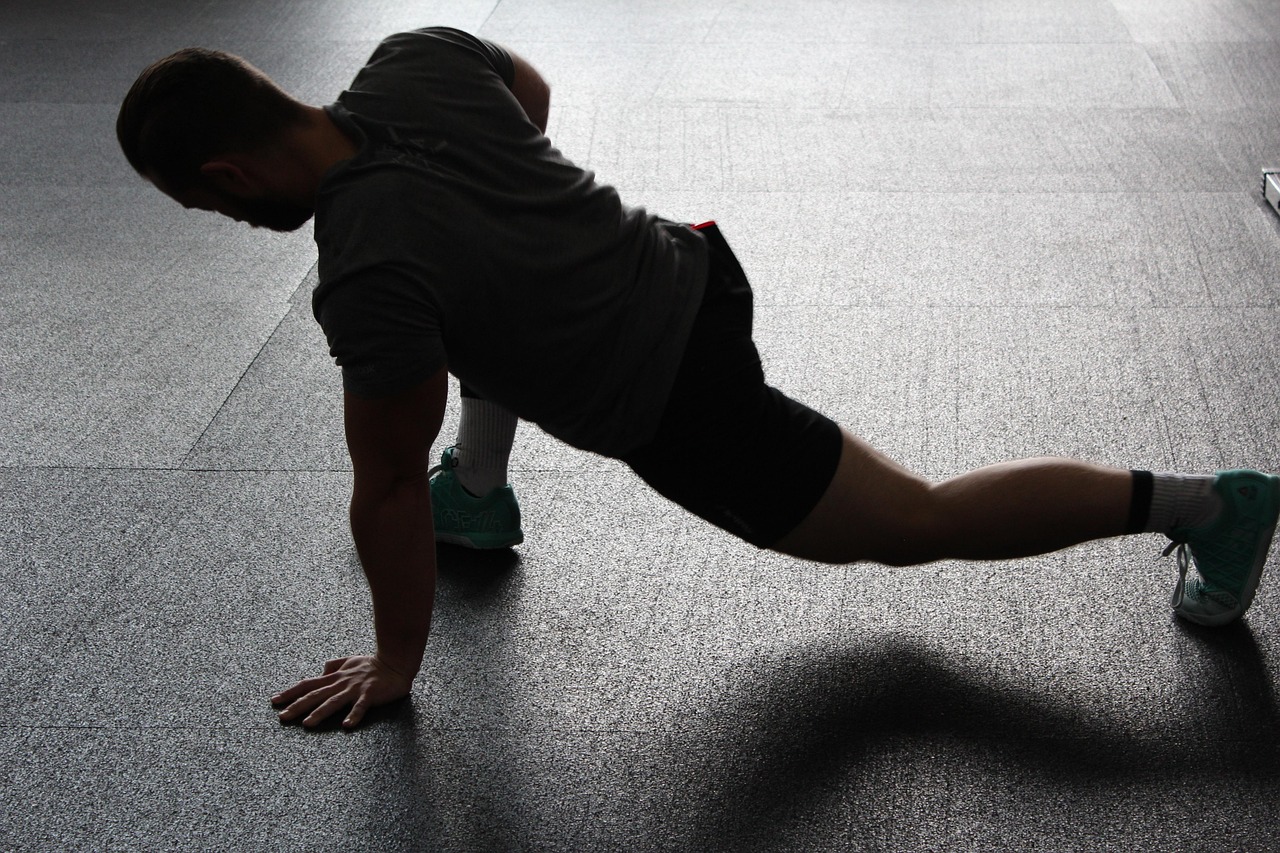
Warming up properly is essential before engaging in plyometric calisthenics to enhance performance and minimize injuries. A well-structured warm-up routine prepares your body for the intense bursts of strength and speed required in plyometric exercises. Start with a brief period of moderate aerobic activity, such as jogging or skipping rope for five to ten minutes. Gradually increase your heart rate and circulation to raise your core body temperature. This initial phase is crucial, as it aids in loosening up the muscles and joints. The next stage involves dynamic stretching to improve flexibility where various movements like lunges, arm circles, and leg swings come into play. Incorporating these activities activates the muscle groups that will be working during the plyometric session. It is vital to focus on showing full range-of-motion while you do these stretches. This not only primes the muscles but also enhances coordination and balance. Key muscle groups include your legs, core, and shoulders. Ensuring each joint is adequately prepped can make a significant difference in your workout outcome.
After completing the initial phase of warm-up, it’s time to incorporate some sport-specific drills that can simulate the movements you’ll perform during your plyometric calisthenics session. These drills should focus on explosive power, agility, and quickness. Examples include bounding exercises and lateral shuffles. Engaging in these movements makes the transition to actual workouts smoother, as they mirror what you are about to do. Engaging in activities like high knees or butt kicks for a couple of minutes will also be beneficial. It’s important to maintain a steady and controlled pace during these drills while emphasizing the technique. Proper form ensures that the right muscles are activated, thus reducing the chance of injury. It’s also advisable to include agility ladder drills or plyometric jumps at this stage, gradually increasing the focus on vertical and horizontal movement. As you perform these exercises, keep in mind that the goal is to elevate your heart rate while keeping your muscles engaged and ready for high-impact activity. This bridge phase between warm-up and full engagement is invaluable for optimizing performance during your workout.
A critical aspect of any warm-up routine for plyometric calisthenics includes specific warm-up sets tailored to the exercises you’ll be performing. For example, if you plan to do box jumps or clap push-ups, practice those movements at a lower intensity first. This technique allows your body to adapt to the specific demands and biomechanics required for those exercises. Performing lighter variations helps build strength and agility needed for the actual exercise. For box jumps, start with step-ups using the box; for clap push-ups, work on push-up forms without the explosive clap. Doing these preliminary versions enables better neuromuscular activation, as your central nervous system prepares for the explosive techniques of full exercises. Moreover, this sets a solid foundation, ensuring that the muscles are not just warmed up but adapted to the upcoming intensities. Bodyweight squats can also be helpful, preparing the lower body for the explosive movements. Ultimately, the goal is to maximize efficiency and effectiveness while minimizing injury risk. Remember, skipping this phase may lead to poor performance and unwanted injuries during intense plyometric training.
Cooling Down Post-Session
After completing your plyometric calisthenics workout, initiating a proper cooldown is equally important to aid recovery and flexibility. Post-workout, your body needs time to transition back to its resting state while reducing heart rate and improving muscle elasticity. Start with a gentle five to ten-minute walk to bring your heart rate down gradually. Following this, static stretches targeting the same muscle groups worked during your plyometric routine should be included. Focus on legs, back, and shoulders to help alleviate tension in these areas. Hold each stretch for 15 to 30 seconds, ensuring you don’t rush through this phase. Stretching should never be painful; instead, aim for a gentle pull and breath deeply. By incorporating deep breathing during stretches, you enhance the relaxation response in your body, promoting further recovery. Consider using foam rolling as part of your cooldown regimen, as it aids in myofascial release. This technique can be highly effective in alleviating muscular soreness and stiffness. These post-exercise habits confirm that you’re caring for your muscles as they recover from intensive work.
Another vital component before engaging in plyometric calisthenics is ensuring your hydration levels are optimal. Adequate hydration is pivotal for maximizing performance and preventing muscle cramps or fatigue. Before starting your warm-up, drink water to stay hydrated, and keep a water bottle accessible throughout your workout. Aiming for at least 8 ounces prior to initiation helps prime your muscles for the intensity ahead. Moreover, consider electrolyte-rich drinks, especially when working in hot or humid conditions. Dehydration can lead to serious performance deficits, making you feel sluggish and fatigued during your training. Post-workout hydration is equally necessary to replenish lost fluids. If you focus on fluid intake, you’ll make recovery easier and avoid unnecessary soreness. Allowing your body to rehydrate quickly aids muscle restoration and promotes effective metabolic functions. Track your urine color as a hydration guideline; clear urine often indicates adequate fluid levels. Especially in plyometric training, where dynamic movements can lead to increased sweating, keeping hydrated becomes even more indispensable for maintaining peak performance and achieving your fitness goals.
Incorporating mental preparation into your warm-up is a strategy that should not be overlooked. Mental readiness is essential for excelling in plyometric calisthenics, and spending time focusing on your intentions can be incredibly beneficial. Use this time to visualize your performance and think of your goals for the session. Consider practicing mindfulness techniques like deep breathing or meditation. These techniques can help center your thoughts and eliminate distractions, allowing you to commit fully to your training. Being in a positive frame of mind can significantly impact your workout, encouraging you to push past physical boundaries. Additionally, developing a pre-workout mantra can establish a routine that psychologically prepares you for the session ahead. The habit of self-affirmation can increase confidence and set the tone for a successful training experience. By fostering a strong mental focus before executing high-intensity exercises, you enhance overall engagement and productivity. Consider scheduling time in your warm-up explicitly for this mental preparation, ensuring that you’re set both physically and mentally to tackle the challenges of plyometric calisthenics.
Finally, ensuring you have the right gear before commencing your workouts is crucial for comfort and performance. Wearing appropriate footwear designed for plyometric activities will provide the necessary traction and support. Shoes with good cushioning can protect your joints from the high-impact nature of plyometric exercises. Evaluate your workout attire too; breathable and moisture-wicking fabrics will help regulate body temperature. Loose-fitting gear allows freedom of movement critical for executing plyometric moves effectively. Take the time to check your environment; ensure the training surface is appropriate, avoiding hard or uneven ground that can lead to injuries. Consider training on softer surfaces if available to lessen impact stress on joints. Having proper equipment such as resistance bands, a jump box, or mats can also enhance your workouts. By paying attention to these details, you optimize your performance and comfort during high-intensity plyometric training. Adequate preparation sets the stage for productive workouts, enabling you to achieve your fitness aspirations through plyometric calisthenics.
By taking these crucial warm-up routines seriously, you can significantly enhance your performance while minimizing the risk of injuries. Investing time in preparation is a key element of successful plyometric calisthenics! Regularly integrate these practices to elevate your overall training experience and achieve desired fitness results.