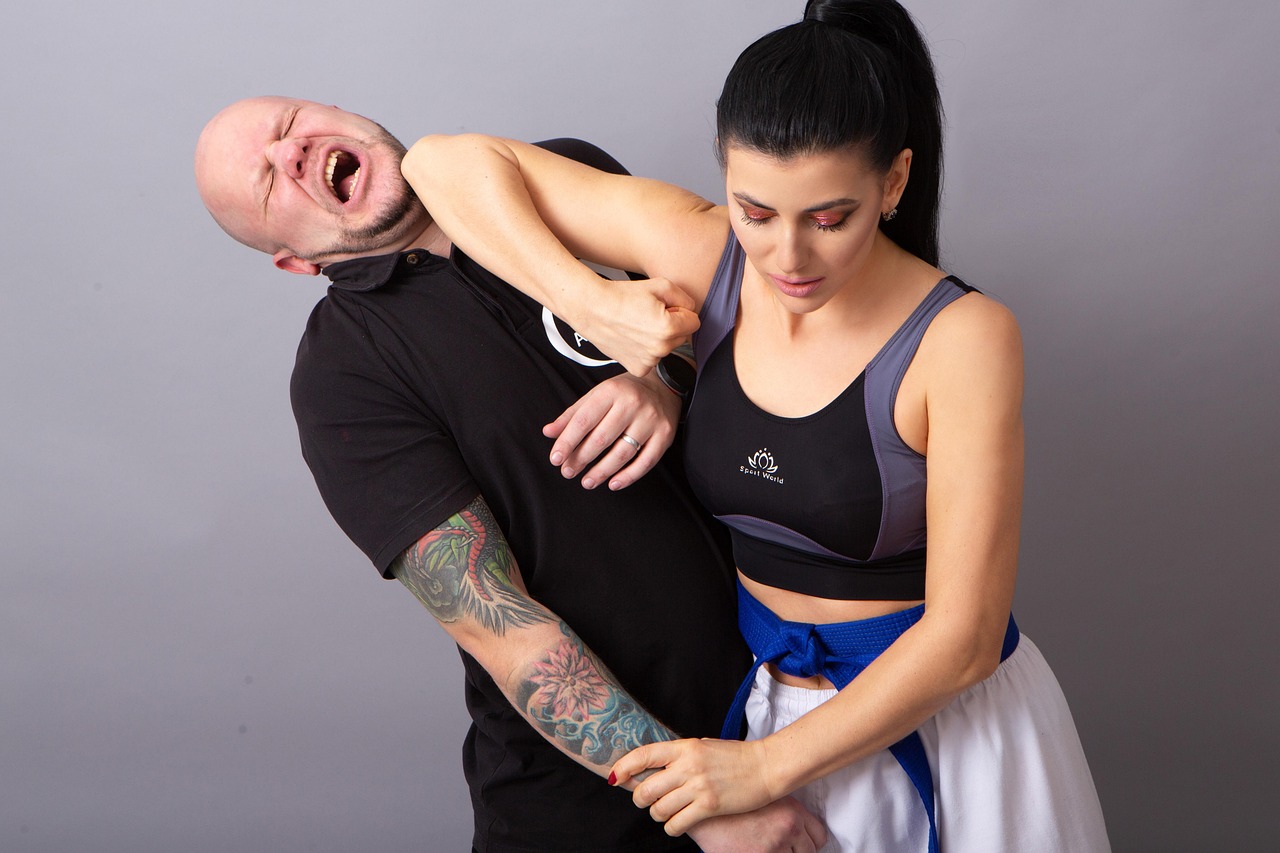

Avoiding Injury During Striking Training and Practice
Striking techniques form a crucial aspect of self-defense training, offering valuable skills to protect oneself in threatening situations. However, the practice of these techniques can pose a risk of injuries. To safely practice striking techniques, follow proper warm-up and cool-down routines to enhance flexibility and prepare the body. Utilize appropriate protective gear, including hand wraps, gloves, and shin guards, to mitigate the impact during training. Furthermore, understanding the mechanics of each strike helps minimize the risk of injuries. Focus on proper stance, balance, and movement, allowing for effective strikes without putting excessive strain on your body. Ultimately, an awareness of your training environment is essential; ensure the area is clear from hazards that could lead to injuries. Keep in mind that communication with your training partner is vital as it sets boundaries and expectations, resulting in safer interactions. Engaging in controlled sparring sessions is beneficial to practice striking techniques while managing the risk of injuries. Adopting these practices allows for a constructive learning atmosphere while safeguarding your health in the journey of self-defense training.
Incorporating injury prevention strategies, such as mindfulness techniques, can further enhance safety during striking training. Practicing mindfulness helps improve focus and awareness, allowing a practitioner to anticipate movements and reactions of a training partner or opponent. This heightened awareness aids in avoiding unwanted strikes and reduces the chances of both parties sustaining injuries. Moreover, employing visualization techniques allows individuals to mentally rehearse their strikes and defensive maneuvers, refining their execution before actually performing tasks. It is also important to set realistic goals and gradually increase intensity levels in practice. A beginner should avoid jumping into high-intensity sparring, which can lead to unnecessary accidents. Instead, prioritize learning foundational movements and techniques, with gradual progression over time. Adapting your training intensity based on skill levels ensures that both new and experienced practitioners can train effectively while reducing potential injuries. Additionally, focusing on conditioning the body through strength and flexibility training outside of striking sessions bolsters resilience against injuries. This includes incorporating bodyweight exercises, resistance training, and stretching routines tailored to your individual needs.
Understanding Techniques to Prevent Injury
Education on proper technique execution during striking practice is vital in preventing injury. Begin each session by reviewing the fundamentals of each striking technique to ensure all participants are aware of the correct execution methods. Incorrect practices, such as striking with improper form or incorrect targeting, can lead to injuries for both the attacker and their training partner. By emphasizing correctness, both the instructor and students can avoid needless frustration and potential injury. Additionally, understanding the importance of breathing during practice cannot be overlooked. Breathing properly stabilizes the core, supporting overall performance while reducing the likelihood of strains and cramps. Practitioners should focus on exhaling during the exertion phase of a strike. Implementing drills that emphasize rhythm and timing is a beneficial way to unify participants in executing techniques together. This unity promotes a shared understanding of pace and intensity, allowing for safer training. Incorporating breaks during training to evaluate progress encourages a supportive atmosphere, where participants can express concerns or share experiences related to minor injuries. Encouraging this culture elevates the overall training safety for everyone involved.
Further enhancing safety in striking training requires developing a clear communication system. Establishing hand signals or safe words can effectively indicate when participants need a break or adjustments in intensity. This spoken and unspoken dialogue helps foster mutual respect and safety, ensuring that both practitioners are on the same page during training. Implementing structured partner drills not only enhances skill proficiency but also minimizes risks by promoting cooperation. For instance, instead of free-form sparring, consider utilizing prearranged sequences that can enhance striking techniques while maintaining control over the training environment. This controlled environment encourages learning without fear of unintentional injury resulting from unpredictable movements. It is also crucial to cultivate a positive and supportive environment within your training space. This means creating an atmosphere where participants feel free to express any discomfort or concerns about training practices. Building rapport amongst training partners allows individuals to openly discuss experiences and strategies for improving safety during practice. Regular feedback sessions ensure that participants are aligned in their objectives and aware of the need to prioritize safety above all else.
Monitoring Fatigue and Recovery
A key aspect of preventing injuries during striking practice is recognizing the signs of fatigue. Continuous training without sufficient breaks can lead to decreased focus and compromised technique execution, thereby increasing the likelihood of accidents. Encourage regular hydration breaks during training sessions to support optimal performance and recovery. Furthermore, practitioners should be mindful of their energy levels throughout the class. Understanding when to rest and recuperate is vital to sustaining a long-term training commitment without injuries. Strengthening the importance of rest and recovery periods allows the body to repair and adapt. Implementing a post-training recovery strategy ensures that participants learn how to care for their bodies effectively. Stretching and foam rolling can alleviate physical tension built up during striking bouts, enhancing recovery. Practitioners should be encouraged to assess their ability to return to training after an injury seriously. Rushing the recovery process can result in prolonged healing times and instability in performance. Emphasizing the importance of patience during these phases fosters a culture of health and safety, leading to sustained performance improvements and confidence in abilities.
In addition to physical training, integrating mental conditioning exercises can enhance overall performance and safety during striking training. Practicing visualization and positive self-talk may help build mental resilience, encouraging practitioners to remain composed under pressure. Maintaining a strong mental focus can lead to better decision-making during training bouts. Establishing routines for pre-training mental preparation can also enhance concentration and minimize risks associated with careless mistakes. Further, diversifying striking training sessions by including various forms of martial arts helps develop a broader skill set while keeping the mind engaged and stimulated. For example, exploring techniques from boxing, Muay Thai, and karate can provide deeper insights into striking principles and reduce monotony during practice. Additionally, incorporating technical reviews of previous sparring sessions can aid participants in understanding their strengths and weaknesses. Engaging in this reflection enables improvements in both strategy and physical execution. By addressing these factors consistently, practitioners can elevate safety standards within their training, fostering a culture that prioritizes health and skill development while simultaneously enhancing striking capabilities.
Conclusion
By applying these tips for avoiding injury during striking training, practitioners can significantly reduce risks associated with practice. Striking techniques are vital for self-defense, yet maintaining safety during training is crucial for long-term success. This involves establishing clear communication, monitoring fatigue, and integrating both mental and physical recovery strategies. Prioritizing these factors allows for a safe training environment where individual progress can thrive without the fear of injury. Regular evaluations of training methods and practices contribute to the continuous development of safety standards. Ultimately, fostering a culture where respect, awareness, and support are paramount will lead to the flourishing of striking techniques in self-defense training. A committed focus on quality over quantity will yield benefits in the form of confidence, skill, and the ability to defend oneself effectively. Continually adapting and improving upon these techniques will contribute to the overall progression of participants, ensuring that they remain informed and empowered on their self-defense journey. Taking these steps will reflect positively not only on individual practitioners but on the entire self-defense training community.
This concludes our exploration of maintaining safety during striking training sessions. Emphasizing the importance of a supportive training culture, effective communication, and proper techniques reinforces how practitioners can protect themselves. Applying the discussed strategies on injury prevention, training efficiency, and mental focus can improve training outcomes and enhance overall safety. The skills gained during these sessions play a crucial role in the journey of becoming proficient in self-defense. Closing this chapter, participants are encouraged to integrate these principles into their routines actively. If everyone commits to creating a safer training atmosphere, the risk of injuries can be notably reduced, yielding an environment that’s productive and conducive for learning. Stay proactive in seeking advice from experts in self-defense and continuously invest in your skill development. With patience, dedication, and a focus on safety, striking training becomes a rewarding and transformative experience.