
Benefits of Yoga for Sprint Triathlon Athletes
Yoga offers a multitude of benefits for sprint triathlon athletes aiming for peak performance. Incorporating yoga into training can enhance flexibility and balance, allowing athletes to maintain optimal body alignment during races. Improved flexibility helps prevent injuries caused by muscle tightness, a common issue when pushing physical limits. Additionally, yoga facilitates better breathing techniques, promoting better oxygen delivery to muscles during intense workouts. This is crucial for endurance, especially in sprint triathlon where every second counts. Enhanced breathing also supports effective recovery post-training. Furthermore, yoga strengthens core muscles, essential for stability during swimming, biking, and running. A stronger core improves power transfer, aiding performance throughout the triathlon. Mental focus is another invaluable aspect cultivated through yoga. Practicing mindfulness can decrease anxiety experienced during competition, helping athletes stay present and perform effectively. Moreover, yoga promotes recovery through gentle stretches, leading to reduced muscle soreness post-exercise. Triathletes adopting yoga not only enhance their physical capabilities but also develop a resilient mindset. This holistic approach ultimately maximizes training efficiency, paving the way for improved race-day results. Thus, yoga is a powerful adjunct to any sprint triathlon training regimen, supporting both body and mind.
To fully realize the benefits of yoga, sprint triathlon athletes should choose appropriate styles that align with their training goals. Among many forms, Hatha and Vinyasa yoga are ideal for building strength and flexibility. Hatha focuses on basic postures and breathing techniques, perfect for beginners easing into yoga. Vinyasa, on the other hand, links breath with movement, providing a dynamic workout that builds cardiovascular endurance. Athletes can incorporate these styles into their routine one to two times a week. Even a short session of 30-60 minutes can yield significant benefits over time. Moreover, runners can particularly benefit from yoga’s emphasis on hip flexibility. This is crucial for a fluid running stride, decreasing the risk of injury. As a result, athletes can achieve greater speed and efficiency during sprint triathlons. Furthermore, incorporating yoga into cross-training days allows for comprehensive recovery without sacrificing endurance. By keeping muscles supple and joints supported, yoga aids in maintaining an athlete’s overall performance readiness. Therefore, the strategic blending of yoga within sprint triathlon training schedules paves the way for enhanced finishing times and more satisfying experiences during competitions, ultimately reinforcing the joy of racing.
Mindfulness and Mental Resilience
Mindfulness is a core component of yoga that significantly enhances mental discipline for athletes. It teaches triathletes how to stay present and focused, reducing distractions that can detract from performance during intense training and racing. By learning to control thoughts and emotions, athletes develop a strong mental fortitude necessary for overcoming challenges encountered during competition. This training in mindfulness translates directly into improved race execution, enabling athletes to react positively under pressure. Mental resilience ensures that athletes can remain calm and composed, even in the face of adversity. Many sprint triathlons see last-minute obstacles, such as adverse weather conditions, that require quick adjustment. With enhanced mental skills through yoga, athletes can navigate these situations with a level head, maintaining performance integrity. Additionally, the visualization techniques often practiced in yoga can be a powerful tool for sprint triathletes. Envisioning successful performances can greatly boost confidence and motivation. When athletes can mentally picture their paths to success, it enhances their belief in achieving those outcomes during actual events. Consequently, this integration of mindful practices transforms triathletes, making them not only better competitors but also more resilient individuals ready to face life’s challenges.
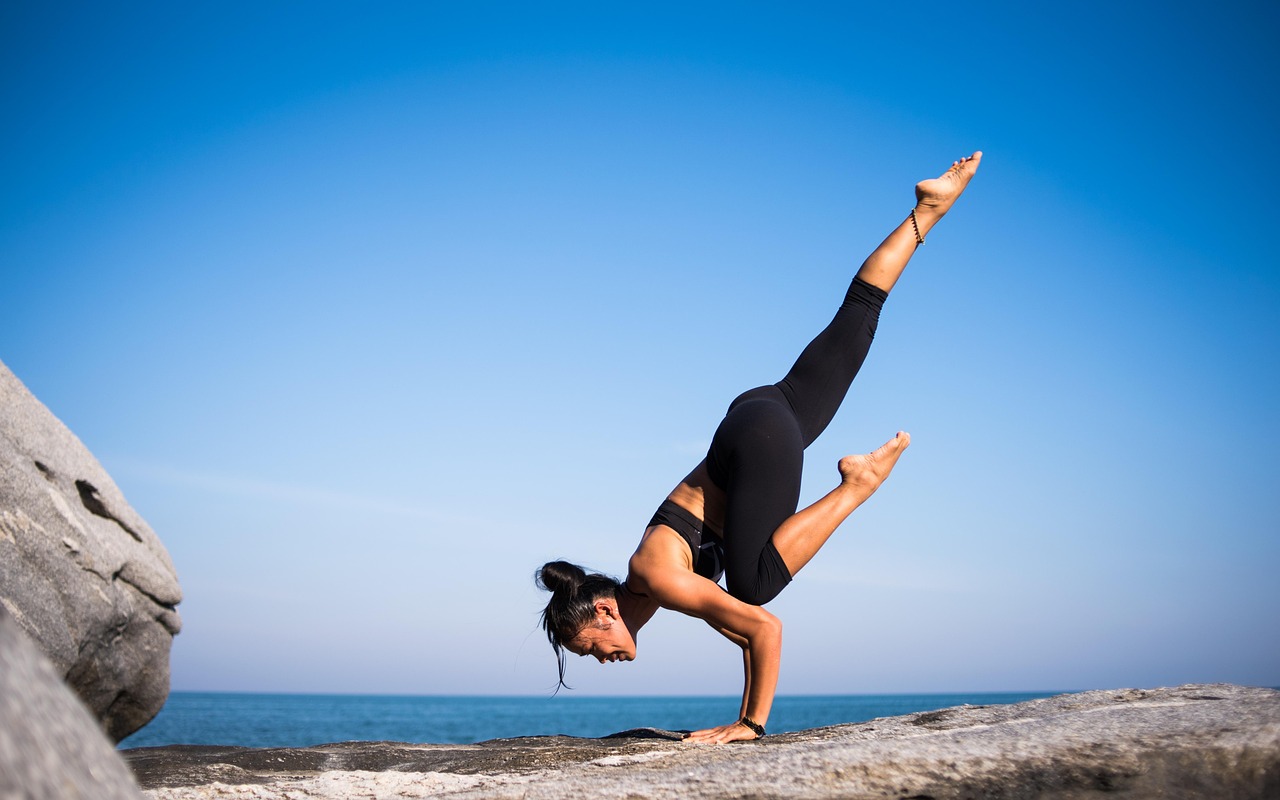
The combination of physical and mental benefits from yoga makes it an indispensable tool for sprint triathlon training. One way athletes can practice yoga effectively is through specific postures targeting key muscle groups used in triathlons. Poses such as downward dog and pigeon stretch the hamstrings, calves, and hip flexors beneficial for running and cycling. Additionally, the warrior series builds strength in the legs, vital for supporting the demands of racing. Furthermore, sessions focusing on restorative yoga can promote relaxation, allowing the body to recover efficiently. Recovery is essential, especially after rigorous training. Utilizing savasana can help improve sleep quality, essential for athletes needing restorative rest for optimal performance. Incorporating restorative poses into weekly schedules can thus lead to feeling more refreshed ahead of competitions. To maximize benefits, triathletes might consider attending yoga classes led by experienced instructors who specialize in athletic training. Such guidance helps ensure proper alignment and technique, crucial for avoiding potential injuries. Therefore, the thoughtful incorporation of yoga presents an opportunity for sprint triathletes to enhance performance and wellbeing through integration of physical movements and mindful practices that foster both strength and resilience.
Enhancing Performance through Recovery
Recovery, a fundamental aspect of training, is where yoga profoundly influences sprint triathletes’ performance. Post-training sessions often lead to muscle fatigue and tightness, but yoga promotes faster recovery. Engaging in gentle stretches helps alleviate tension and discomfort experienced after intense workouts. As a result, athletes can maintain consistent training cycles without prolonged downtime. Incorporating yoga into a recovery routine assists the body in flushing out toxins while facilitating improved blood circulation. This promotes quicker repair of micro-tears often resulting from strenuous activities, reducing the risk of injury over time. As athletes experience enhanced mobility, they can significantly elevate their training quality. This is particularly vital leading up to race day when athletes need to perform at their peak. Additionally, the meditative aspects of yoga can lower cortisol levels, effectively managing stress. High stress can hinder muscle recovery, so keeping stress levels in check is beneficial for triathletes striving for improved performance. By prioritizing recovery through yoga, athletes create a sustainable training cycle, allowing for continuous progress. The mindful practice nurtures both physical and mental health, ultimately leading to refined skills and better race outcomes that reflect the dedication of sprint triathlon athletes.
As sprint triathlon athletes consider the implementation of yoga into their training regimen, consistency and commitment are key to experiencing significant benefits. Therefore, it is essential to foster a routine that integrates both yoga and triathlon training effectively. Triathletes may start by dedicating specific days for yoga and ensuring these practices complement scheduled swim, bike, and run workouts. Setting aside time for yoga sessions can enhance overall training enjoyment, balancing sweat-intensive workouts with a calming practice. Additionally, triathletes should focus on creating personalized routines that address individual needs, such as flexibility, strength, and relaxation. This tailored approach helps maximize the specific advantages drawn from yoga. Athletes can utilize various resources such as online videos or community classes to maintain variety and engagement. Moreover, regularly tracking progress in both physical fitness and mental growth serves to motivate athletes in continuing their practice. Sharing experiences with fellow triathletes can foster accountability, creating a support network while enhancing the collective commitment to improvement. Consequently, the integration of yoga holds vast potential for transformative shifts in sprint triathlon performance, creating well-rounded athletes that exceed their own expectations, and rediscover the joy of healthy competition.
Conclusion: Yoga’s Role in Sprint Triathlon Success
In conclusion, yoga serves as a crucial ally for athletes involved in sprint triathlon training. Through enhancing strength, flexibility, and mental focus, athletes can realize considerable improvements in their performance. The technique of mindfulness cultivated through yoga not only supports enhanced race execution but also fosters resilience. This enables triathletes to confront challenges head-on, transforming adversity into opportunity. Moreover, the recovery benefits of yoga allow for effective management of fatigue, resulting in improved consistency during training. Consequently, athletes can maintain their physical well-being and stay on track to achieve their racing goals. Importantly, the incorporation of yoga can lead to a happier and less stressful journey in a sport known for its demands. Discovering the harmonious balance between intense training and mindful recovery can significantly elevate an athlete’s experience. As sprint triathletes embark on this journey, they unlock a myriad of both physical and mental gains. By embracing yoga, athletes invest in their holistic development and well-being. Therefore, weaving yoga into the fabric of triathlon training can yield rewarding dividends on race day and beyond, ensuring a fulfilling and successful athletic experience.
In summary, the integration of yoga into the training routines of sprint triathlon athletes unlocks new levels of performance capabilities. This holistic approach to fitness is not just about physical strength but also mental resilience and emotional balance. It promotes overall health and wellness while offering tools for competitive success. Prospective triathletes should certainly consider practicing yoga to equip themselves for the unique demands of the sport. With diligence and regular practice, athletes experience greater ease in their physical movements, improved recovery times, and an enriched mental state. The journey in triathlon is not only about personal bests but about enjoying the process of continuous improvement. Moreover, connecting with other athletes foster an encouraging community. This experience can lead to lifelong friendships and partnerships in training. Encouraging others to join in yoga sessions enhances the social aspects of training while reinforcing the importance of personal growth. The transformative benefits of yoga reach far beyond the racecourse, impacting personal lives and attitudes profoundly. Thus, incorporating yoga within triathlon training is worthwhile, promoting not just athletic success but a healthier lifestyle overall. Therefore, sprint triathletes are encouraged to pursue yoga to amplify their potential and thrive in competitive sports alike.