
Hydration Myths: What Really Works During Exercise?
Staying adequately hydrated during exercise is crucial for optimal performance. However, many common hydration myths often mislead athletes and fitness enthusiasts. One prevalent myth is that drinking water is sufficient for hydration during all forms of exercise. While water is essential, it may not be enough, especially during extended periods of intense activity. As exercise duration increases, electrolytes and carbohydrates are also vital for sustaining energy levels and maintaining hydration. Another myth claims that you only need to hydrate after feeling thirsty. Thirst is often a poor indicator of hydration needs, especially during strenuous workouts. Athletes should proactively hydrate before, during, and after exercise. Moreover, many believe that sports drinks are necessary for everyone. While they provide benefits for endurance athletes, most recreational exercisers can hydrate adequately with water. Lastly, some think all fluids count equally. While fluids can contribute to hydration, beverages containing caffeine or alcohol can be dehydrating. It’s essential to choose the right beverages to ensure proper hydration during physical activity and enhance performance effectively.
Understanding Hydration Needs
Understanding your individual hydration needs is key to improving performance and recovery while exercising. Factors such as body weight, environmental conditions, and exercise intensity play significant roles in determining how much fluid you need. For instance, heavier individuals generally require more fluids, and those exercising in hot climates may need increased amounts to compensate for perspiration. It’s also crucial to recognize the duration of your activity. Workouts lasting longer than an hour often necessitate replacing lost electrolytes and carbohydrates in addition to fluids for optimal hydration. Monitoring urine color can also serve as a simple yet effective hydration gauge; light-colored urine typically indicates adequate hydration. Alternatively, dark urine may signify a need for increased fluid intake. Additionally, wearable hydration-monitoring devices are becoming popular in tracking fluid loss through sweat. While aiming for hydration goals, develop personalized strategies that suit your needs. Plan out hydration breaks, especially during outdoor activities, to ensure you consume enough fluids. By taking the time to assess your conditions and personal requirements, you can tailor your hydration strategy for better exercise performance.
Another important myth to address involves the timing of hydration. Many believe that you can only hydrate effectively before and after exercise. However, sipping fluids during your workout is just as crucial, especially for high-intensity or long-duration exercises. Research shows that consistent fluid intake during exercise enhances performance and aids in recovery. Creating a hydration plan that incorporates drinking small amounts regularly throughout the workout can help maintain optimal performance. Some athletes use timers or reminders to drink at regular intervals. Additionally, the temperature of your fluids can impact how well you rehydrate. Cold beverages tend to be more refreshing during workouts and may encourage you to drink more. On the other hand, very hot beverages might be less palatable. Furthermore, electrolyte replacement drinks can be beneficial during prolonged workouts. They help replenish sodium and other essential minerals lost through sweat. However, remember that not all drinks are created equal; read nutrition labels carefully to avoid excess sugars in some commercial offerings. Acquiring a good balance between water and electrolytes tailored to your exercise routine is essential to combat dehydration.
Recognizing Dehydration Symptoms
Recognizing the symptoms of dehydration can be crucial for maintaining health during exercise. Common signs include fatigue, dry mouth, dizziness, and a reduced ability to concentrate. When dehydration occurs, your body’s ability to regulate temperature decreases, which can increase the risk of heat-related illnesses. Noticing these symptoms early can lead to more effective hydration strategies. Carrying a water bottle and regularly sipping fluids during workouts can help prevent dehydration. Additionally, some athletes adopt strategies such as weighing themselves before and after workouts to gauge fluid loss. This method allows for precise fluid replacement based on actual losses, which can vary greatly among individuals. If you find yourself frequently thirsty during workouts, consider adjusting your hydration routine. In hot or humid environments, it’s wise to take hydration seriously, as dehydration can happen quickly. Specific populations, like older adults, may be at higher risk due to a decreased thirst response. Thus, it’s vital to encourage good hydration practices regardless of activity level. Listening to your body and recognizing these symptoms will help maintain your performance and overall well-being.
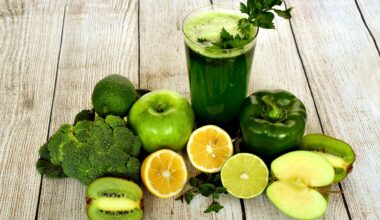
Another aspect deserving attention is the difference between pre-workout hydration strategies. Some athletes believe that drinking large amounts of water immediately before exercise is sufficient for effective hydration. However, gulping down excessive fluids shortly before exercising can lead to discomfort, cramping, or even sloshing in your stomach. It is more effective to establish a hydration routine throughout the day leading up to exercise instead. Aim to drink consistently, and incorporate fluids into your meals and snacks. Consider consuming fruits and vegetables with high water content, such as watermelon or cucumbers, as part of your nutritional strategy. Scientific literature suggests that consuming beverages containing electrolytes can also aid in pre-exercise hydration. Electrolytes help retain water in the body and prevent a rapid loss of fluids. Consider adding a small amount of electrolyte powder to your water if you engage in high-intensity workouts. Advanced planning and hydration tactics can significantly impact your overall performance and prevent dehydration. Tailoring your fluid intake to suit your individual needs and exercise duration will enhance your hydration strategy.
Post-Exercise Hydration
Equally important as hydration during exercise is post-exercise hydration. After a workout, your body still needs fluids to recover adequately. Fluid replenishment is crucial in replacing lost fluids and restoring electrolyte balance. Post-exercise, the general recommendation is to drink approximately 16 to 24 ounces of fluid for every pound lost during exercise. Some athletes prefer electrolyte drinks after workouts, especially if they engaged in strenuous activity. These drinks can help quickly restore fluid balance and enhance recovery. Additionally, consuming fluids shortly after exercise can aid the recovery process, particularly within the first hour. Seek to consume fluids at intervals to avoid overwhelming your stomach. Furthermore, logging your intake can help you monitor how much fluid you consume post-exercise. Many athletes benefit from a structured recovery drink that combines fluids, carbohydrates, and protein. This approach aids in muscle recovery and replenishing energy stores. For those who tend to forget to hydrate, keeping a water bottle nearby post-workout can serve as a helpful reminder. Establishing a solid post-exercise hydration plan will significantly benefit your fitness journey.
In summary, many hydration myths surround what truly works during exercise. It’s essential to understand that hydration needs are individualistic and influenced by factors like exercise intensity and environment. Drinking water is critical, but electrolyte replacement can be vital during long or intense workouts. Instead of waiting for thirst to strike, establish proactive hydration strategies. Key milestones in hydration entail adequately planning before, during, and after workouts. Recognizing the signs of dehydration can be invaluable in preventing adverse effects on health and performance. Developing personalized hydration plans will also help you understand your needs over time. Utilize hydration monitoring practices, and consider trialing electrolyte beverages during exercise. Hopefully, you now feel better equipped to assess hydration myths, paving the way for facts that promote optimal performance. Each athlete’s journey is different, and as you continue, pay attention to your body’s responses. Make hydration a priority in your routine to enhance not just performance but also overall well-being, leading to even greater achievements in your fitness pursuits.
Conclusion
By dispelling these myths and understanding the best hydration practices, you can significantly improve your athletic performance and your overall health. Accurate hydration can make a difference when striving for fitness milestones or rehabilitation. Recognizing that different forms of exercise demand varied hydration strategies opens doors for tailored hydration plans. Always experiment with your hydration strategy during training sessions to determine what works best for you. Remember that hydration is not about a one-size-fits-all approach. Each person’s needs differ based on various factors including weight, climate, and intensity. While sports drinks serve a function, they are not necessarily required for everyone; water is adequate for most casual exercisers. Moreover, combining hydration with balanced nutrition helps optimize physical performance. Lastly, remain vigilant about hydration even in cooler weather when sweat loss can be deceptive. Keeping these principles in mind will enhance both your exercise experience and recovery time. Engaging in discussions with fitness professionals can also provide valuable insights tailored to your specific needs. Adopting these hydration best practices is a step towards enhancing your exercise routine.