
Latest Innovations in Triathlon Gear Technology
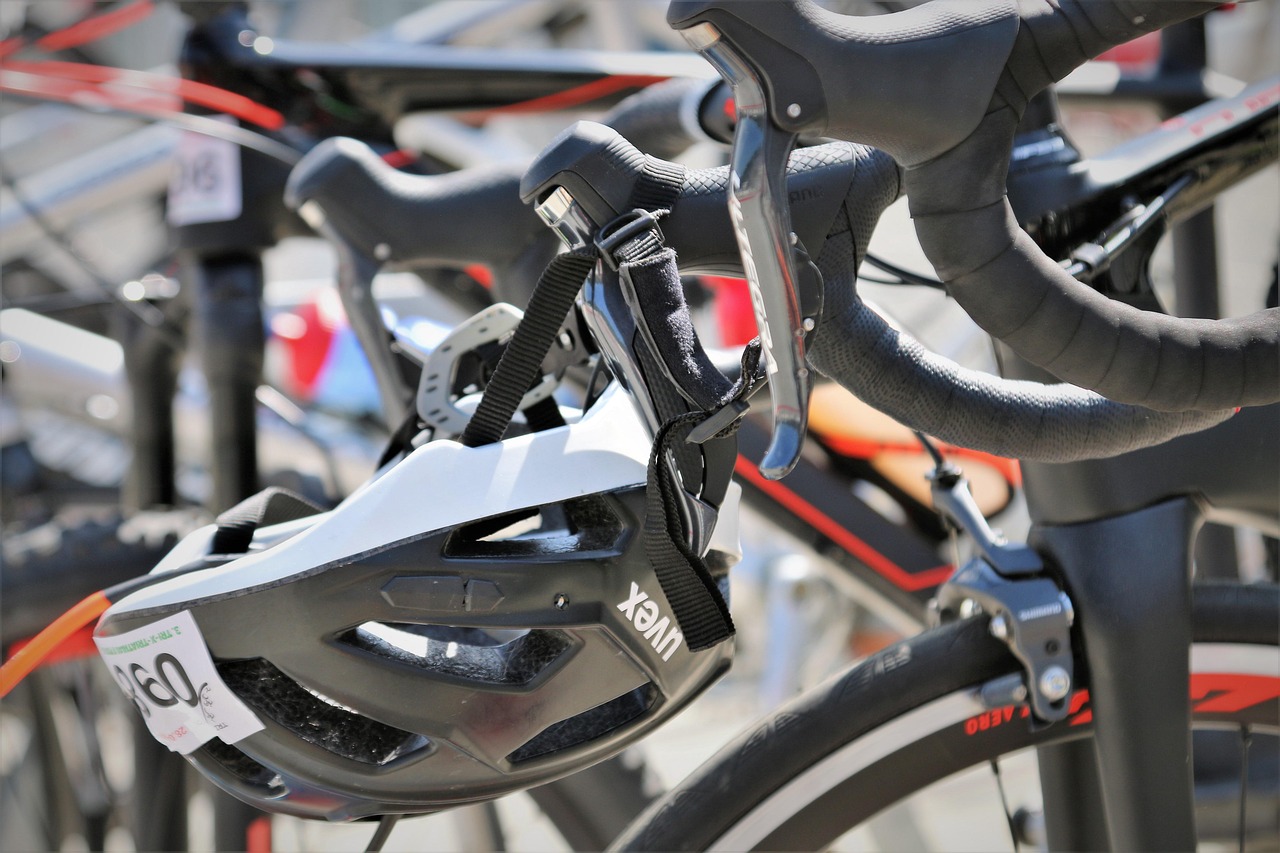
Triathlon athletes understand the significance of gear in enhancing performance and improving speed. This understanding drives the continuous evolution of triathlon gear technology, focusing on features that provide competitive advantages. For 2023, innovations have emerged to meet the needs of varying skill levels, whether professional or amateur. Among the standout advancements are water-resistant smartwatches offering diverse tracking capabilities and heart rate monitoring, ensuring precise feedback during each segment of the race. Another notable innovation is the integration of buoyancy and aerodynamic designs in wetsuits that facilitate efficient movement through water, increasing speed and reducing energy expenditure. Performance is further supported by aerodynamic helmets that minimize drag and maximize airflow, promoting improved head stability and safety. Each new piece of gear contributes to enhanced compatibility, providing a tailor-fitted experience for all athletes, accommodating equipment preferences and enhancing comfort. As technology continues to advance, athletes must remain informed about gear developments that could significantly impact their performance on race day. These innovations focus on efficiency, ensuring athletes can concentrate fully on their performance without concern about equipment reliability or functionality.
Within the realm of cycling during triathlons, innovations such as lightweight frames and ergonomic designs of bicycles are paramount to success. Recent technological advancements have ensured lower weight standards while maintaining strength, navigating advanced materials like carbon fiber and titanium alloys. These developments contribute significantly to overall athletic performance, with many athletes reporting improved agility and speed on the course. Furthermore, the integration of electronic shifting systems promises precise gear changes, expanding on traditional mechanical options that could typically hinder efficiency. By allowing for smoother transitions and steadier power delivery, this technology assists cyclists during variable terrain conditions, making it an essential asset in triathlon training. Also, the rise of smart cycling shoes enhances training sessions by incorporating sensors that provide real-time feedback on power output, pedal efficiency, and cadence, allowing athletes to optimize their cycling technique over time. As a result, these exceptional advancements in bike gear ensure that participants remain competitive and capable on race day, allowing for a seamless transition from swimming to cycling, thus bringing together innovation and performance-enhancing characteristics.
Advanced Footwear in Triathlons
Running, as the final leg of triathlons, relies heavily on optimized footwear, which has witnessed revolutionary transformations. Modern running shoes now integrate advanced cushioning technologies and breathable materials designed for better comfort and support. Messaging technology creates fits that mold to each runner’s foot, ensuring a personalized experience that alleviates the potential for injuries during rigorous competitions. In 2023, many brands offer shoes equipped with energy-returning foams that boost running economy, encouraging runners to maintain a firm yet flexible footing throughout their race. Enhancements in traction have also improved with new rubber compounds designed for wet surfaces, allowing athletes to maintain grip during adverse conditions. Additionally, many triathletes have begun to adopt minimalist footwear styles, promoting a natural foot movement while maintaining excellent performance outcomes. Many shoe designs now utilize eco-friendly materials catering to sustainability, allowing for conscientious choices among athletes prioritizing environmental impact. Such advancements ensure that triathletes invest in performance footwear to enhance their capabilities while making responsible choices in line with their values.
Nutrition is a critical component of triathlon training and racing, prompting gear and product innovation in this area as well. Various portable hydration systems have evolved, making it easier to drink on the run without compromising pace. New designs include lightweight vests and belts equipped with collapsible water bottles, enabling easy access and portability. Additionally, nutrition delivery systems are becoming more efficient, with pouches designed for quick consumption on the go, ensuring that athletes maintain their energy without sacrificing time. Sports gels, chews, and energy bars now boast advanced electrolyte compositions, crafted to provide sustained energy and hydration. Many of these products are designed to be easily digestible, minimizing gastrointestinal distress while optimizing performance. Personalized nutrition plans can be supported by innovative tech, with apps helping athletes determine their specific nutritional needs. In essence, the integration of nutrition gear and technology creates a holistic approach to triathlon preparation. By aligning nutrition strategy with training regimens, athletes can achieve their best results come race day.
Smart Technology Integration
The integration of smart technology in triathlon gear is revolutionizing the training landscape. Wearables and fitness trackers have advanced significantly, offering detailed metrics far beyond basic tracking. Athletes can now access data like VO2 max and lactate threshold, integral to refining training regimens. Moreover, the role of heart rate variability (HRV) is gaining prominence, with smart devices measuring recovery rates, enabling athletes to optimize their training loads effectively. Riders can now sync their gear with mobile applications that provide real-time analytics, enhancing their on-the-go training experience. Comprehensive platforms allow athletes to communicate with coaches, ensuring accountability and better performance evaluations post-workout. Many fitness trackers integrate with social platforms, encouraging camaraderie among athletes as they share their accomplishments. Cyclists and runners can connect with similar athletes virtually, fostering engaging community experiences. These collective advancements elevate the triathlete experience, emphasizing data-driven decisions that impact preparation and outcome. Consequently, tech-savvy athletes are reaping the benefits of these measurements to systematically exceed personal performance thresholds and reach competitive goals.
Comfort and recovery gear have also undergone significant advancements, focusing on post-race recuperation practices. New massage tools are emphasizing improved recovery methods for triathletes who must treat their bodies well to maintain high performance. Various foam rollers and percussion massagers are crafted to promote blood flow and alleviate muscle soreness, vital for triathlon completion. Furthermore, compression gear, including tights and sleeves, has become increasingly popular, aiding recovery by enhancing circulation and reducing muscular fatigue. Products designed to provide thermal regulation have also gained traction among athletes, ensuring bodies can maintain optimal temperatures. Moreover, many contemporary recovery options emphasize eco-conscious production methods, aligning athlete interests with sustainability efforts. Incorporating technologies that track recovery metrics is now commonplace; athletes can assess the efficacy of these methods. Connecting this to nutritional strategies allows athletes to understand their recovery needs better. Overall, the emphasis on comfort in recovery gear paves the way for improved performance figures long-term among competitive triathletes, especially in the fatigue stage post-competition.
Conclusion: The Future of Triathlon Gear
As triathlon gear continues to develop, the future promises even more innovations aimed at improving performance and enhancing safety. The growing awareness of athletes toward sustainable, eco-friendly options indicates a potential shift in the production of athletic gear. Innovations driven by data will drive further advancements in creating personalized performance metrics tailored for athletes’ various needs. We’re entering an era where smart gear will become standard, seamlessly integrating technology into every facet of training and racing. The merging of performance and sustainability will likely dominate future developments, with manufacturers focusing on environmentally friendly materials without sacrificing performance. This evolution points towards a future where triathletes can enjoy an enriched, holistic training experience through harnessed technology. As competitive demands increase, gear automation and wide availability of personalized data will redefine training strategies. Athletes will have access to solutions that maximize energy efficiency and optimize performance. The landscape of triathlon gear is certainly exciting as the sport continues to evolve alongside technology, paving the way for unprecedented achievements in the triathlon community. Regularly adapting and investing in these innovations will be essential for every athlete striving for excellence.
Triathletes can look forward to an exciting future filled with possibilities, as the latest advancements in gear technology offer invaluable insights for competitors at all levels. Knowledge of these innovations is crucial to maintaining a competitive edge, blending technology with traditional training techniques. With all the enhancements available across gear types, from footwear to nutrition solutions, athletes are finding new methods to succeed. Embracing these developments will only serve to bolster their training systems. The continued intersection of creativity and science in the triathlon gear market ensures a bright outlook for both athletes and manufacturers alike. The integration of fitness technology into every aspect of the sport signifies a commitment to progress, promising a thrilling journey for those involved.