
Nutrition Tips to Support Postnatal Fitness
After childbirth, many women face challenges in regaining their pre-pregnancy fitness levels. Nutrition plays a pivotal role in this journey, helping ensure energy levels remain high while supporting overall well-being. A well-balanced diet rich in essential nutrients is crucial. Focus on consuming whole foods that provide necessary vitamins, minerals, and other nutrients. Incorporating lean proteins such as chicken, fish, legumes, and dairy can help repair the body after delivery. Additionally, prioritize whole grains like quinoa, brown rice, and oats to provide sustained energy. Incorporating plenty of fruits and vegetables enhances nutrient intake, ensuring a good supply of antioxidants to combat oxidative stress. Remember to stay hydrated; water is essential for recovery and overall health. Consider herbal teas that can promote lactation if breastfeeding. Seek support from a registered dietitian or nutritionist to develop a tailored plan addressing unique postnatal needs. This proactive approach to nutrition can significantly impact postpartum recovery and overall fitness, helping mothers feel their best as they navigate this new chapter. Regular attention to dietary choices can help settle digestive issues and increase energy, contributing to a smoother transition into postnatal fitness.
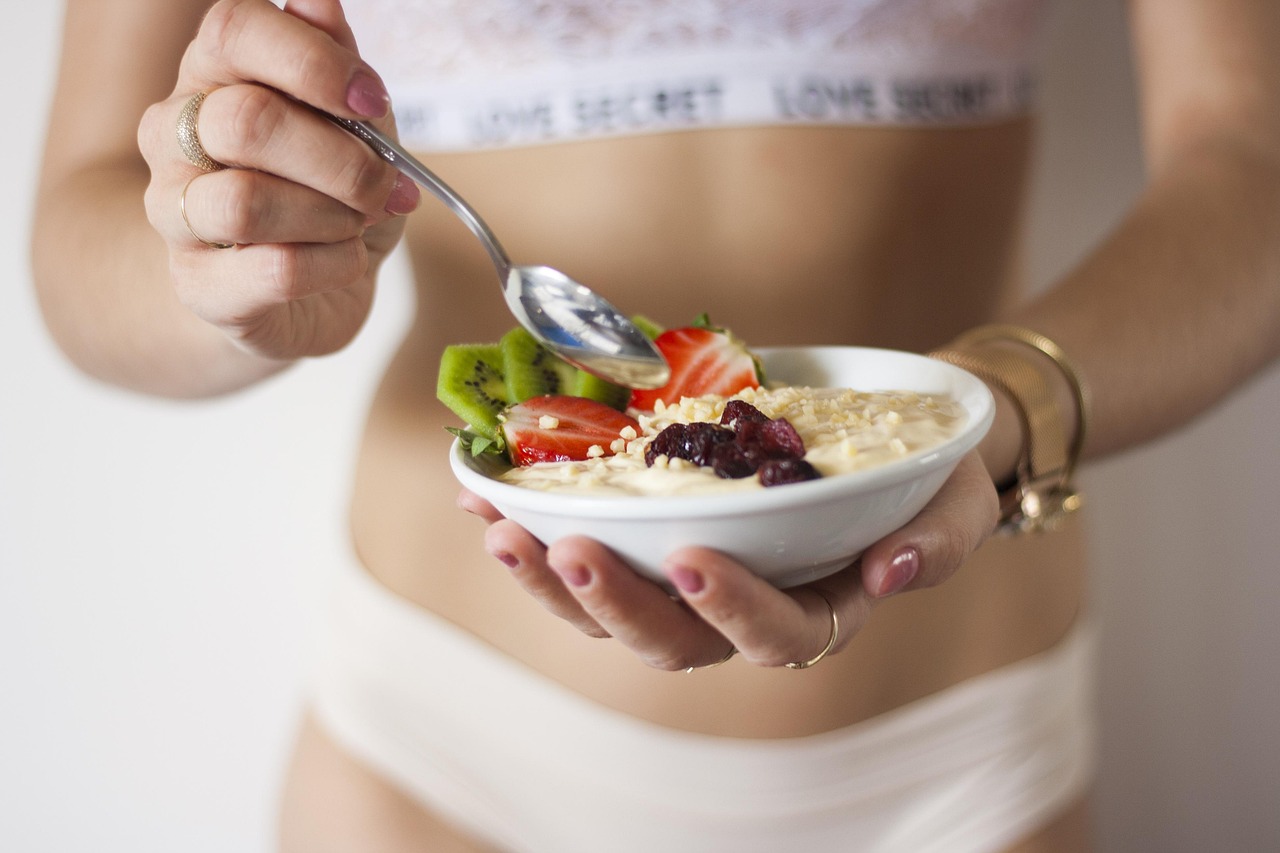
Additional hydration considerations postnatally include electrolyte replenishment, especially for breastfeeding mothers. Foods rich in potassium and sodium, such as bananas and avocados, help restore balance. It’s important to monitor caffeine intake, as excessive amounts may affect milk production if breastfeeding. Aim for moderation, enjoying one or two cups if necessary. Incorporating healthy fats is equally vital; sources like avocados, nuts, and seeds provide necessary omega-3 fatty acids. These fats can reduce inflammation and promote healthy brain function for both mother and baby. Prioritize meal prep to simplify your routine, aiming for nutrient-dense snacks that can be enjoyed quickly. Examples include yogurt, fruit smoothies, or hard-boiled eggs—the goal is to maximize nutrition while minimizing effort and time spent cooking. Involve family in meal planning to create a supportive environment. Seeking help with meal preparation, especially during the initial postpartum period, is key. Remember, a balanced diet can influence mood and recovery significantly, so make choices that sustain both energy and satisfaction. Focusing on balanced meals supports muscle recovery and helps regain strength, laying a solid foundation for effective postnatal fitness practices.
Incorporating Superfoods into Your Diet
As you focus on nutrition after childbirth, include a range of superfoods that pack a nutrient punch into your meals. Foods known for their high nutrient density can enhance overall health and support fitness goals. For example, berries, especially blueberries, are rich in antioxidants and vitamins that can aid in recovery. Leafy greens like spinach and kale provide iron, calcium, and various vitamins essential for breastfeeding and postpartum wellness. Consider incorporating chia seeds or flaxseeds into daily meals to boost fiber and omega-3 intake. These nutrient-dense options can easily fit into smoothies, yogurt, or oatmeal. Furthermore, legumes and beans are excellent sources of protein, fiber, and essential nutrients that promote satiety, helping to manage hunger levels effectively. Another beneficial food is quinoa, which is gluten-free and offers complete protein. Making healthy substitutions, such as switching from white rice to quinoa or incorporating nut butter instead of high-sugar spreads, can enhance nutrient profiles substantially. Choose organic and locally sourced foods whenever possible to ensure quality. By including these superfoods in your diet, you’re supporting your body’s recovery and enhancing your journey toward achieving fitness goals.
Prioritizing balanced meals throughout the day helps regulate metabolism and provides consistent energy levels. Eating smaller, more frequent meals can be beneficial, offering sustained nourishment and preventing energy crashes. Be mindful to include a mix of carbohydrates, proteins, and healthy fats in each meal. This combination promotes satiety and helps maintain energy levels essential for exercise. Beyond traditional meals, healthy snacks can provide an essential source of energy and nutrients. Examples include nut butter with apple slices or homemade protein bars using oats and seeds. Meal planning can also help simplify the decision-making process, enabling you to focus more on your fitness. If time is a constraint, consider batch cooking on the weekends. Preparing meals in advance can save valuable time during the busy week ahead. Additionally, paying attention to portion sizes can help manage caloric intake, particularly if weight loss is a goal. Keeping a food journal might provide insights into dietary patterns and areas needing improvement. Listen to your body’s hunger cues, ensuring meals and snacks are consumed when necessary. This mindful approach to nourishment can seamlessly integrate with a postnatal fitness routine, fostering both physical and emotional well-being during this period.
Understanding Your Body’s New Needs
After childbirth, women undergo numerous physical and emotional changes that affect dietary needs. It’s essential to listen to these changes and adapt accordingly. Hormonal fluctuations can impact cravings and energy levels, requiring a flexible approach to nutrition. Be aware of how your body responds to different foods and adjust as necessary. Some women may experience lactose intolerance or sensitivities postnatally, necessitating alternative calcium sources. Incorporating fortified plant-based milks or dark leafy greens can help meet dairy needs. Furthermore, if experiencing postpartum depression, emphasizing omega-3 fatty acids, found in fatty fish or flaxseeds, can positively affect mood and cognitive function. Building a support network of health practitioners, such as a lactation consultant or therapists specializing in postnatal care, can provide valuable guidance. Regular conversations with these professionals can help ensure dietary practices align with both physical and emotional recovery objectives. Making gradual adjustments to your diet can help ease the transition into motherhood, allowing better adaptation to new responsibilities. Maintaining open communication with loved ones about dietary needs can create a supportive atmosphere for healthier choices to flourish.
In summary, staying flexible and attentive to nutritional needs post-delivery is paramount for optimal recovery and fitness. A focus on whole, nutrient-dense foods enhances physical well-being and supports emotional health during the postpartum period. As every woman’s journey is unique, individualized nutrition plans should be considered, tailored to specific preferences and lifestyle factors. Taking time to explore new recipes can also turn meals into enjoyable experiences rather than tasks. Consider sharing cooking responsibilities with family members, turning meal times into opportunities for connection. Additionally, mindfulness practices can foster a better relationship with food. Approaching meals with appreciation and gratitude can transform the experience, reducing stress surrounding eating. Do not hesitate to seek out community support, like groups focused on postnatal fitness and nutrition. Online forums or local classes can offer shared insights and strategies for healthy living. Ease into postnatal fitness gently, prioritizing both nutrition and physical activity as essential components of overall health. Emphasizing wellness during this transitional time can significantly affect fitness outcomes, ensuring you feel strong and energetic as you navigate the complexities of motherhood.
Conclusion
Postnatal fitness is a multifaceted journey that heavily relies on nutrition. By addressing dietary needs thoughtfully and integrating nutrient-rich foods, mothers can enhance recovery and well-being. Attention to hydration, healthy fats, proteins, and complex carbohydrates is vital for optimal recovery. The integration of superfoods and mindful eating practices can create a strong foundation for overall postpartum health. Each meal can contribute positively to physical and mental health, underscoring the importance of intentional nourishment. Encouraging family involvement can ease the transition into a new lifestyle, fostering a supportive atmosphere for healthier choices. Connecting with professionals specialised in postnatal care adds valuable resources, helping to navigate the unique challenges of motherhood with confidence. As your body adjusts and heals, understanding its new requirements makes the journey smoother. Remember, dedicating time to nutrition and fitness is an investment in your health and that of your family. This foundational care ultimately supports your goals in postnatal fitness and wellness, paving the way for a vibrant postpartum life filled with health and vitality.
Practical Steps for Implementing Changes
To transform nutritional habits effectively, set specific, achievable goals. Begin by incorporating small changes, like adding one friendly superfood or increasing water intake daily. Gradually assess how these changes affect your energy levels and mood, adjusting as needed. Moreover, maintaining a point of reflection can help chart progress, documenting both successes and challenges in your postnatal nutrition. Focus on sustaining motivation: consider enlisting a friend to join in your healthy eating journey, holding each other accountable. Share new recipes, explore grocery shopping together, or attend nutrition classes. Find ways to make healthy eating engaging and enjoyable. Don’t forget to celebrate milestones along the way, whether it’s trying a new recipe or a successful week of balanced meals. Staying positive about these changes fosters a resilient mindset, essential for navigating the challenges of postpartum recovery. Ultimately, embracing the learning process rather than expecting perfection can lead to long-lasting habits. Remember, every small step counts towards a healthier lifestyle, enhancing both postnatal fitness and emotional well-being. As you take charge of this journey, you empower yourself and contribute positively to your family’s health!