
How Gut Health Impacts Athletic Performance
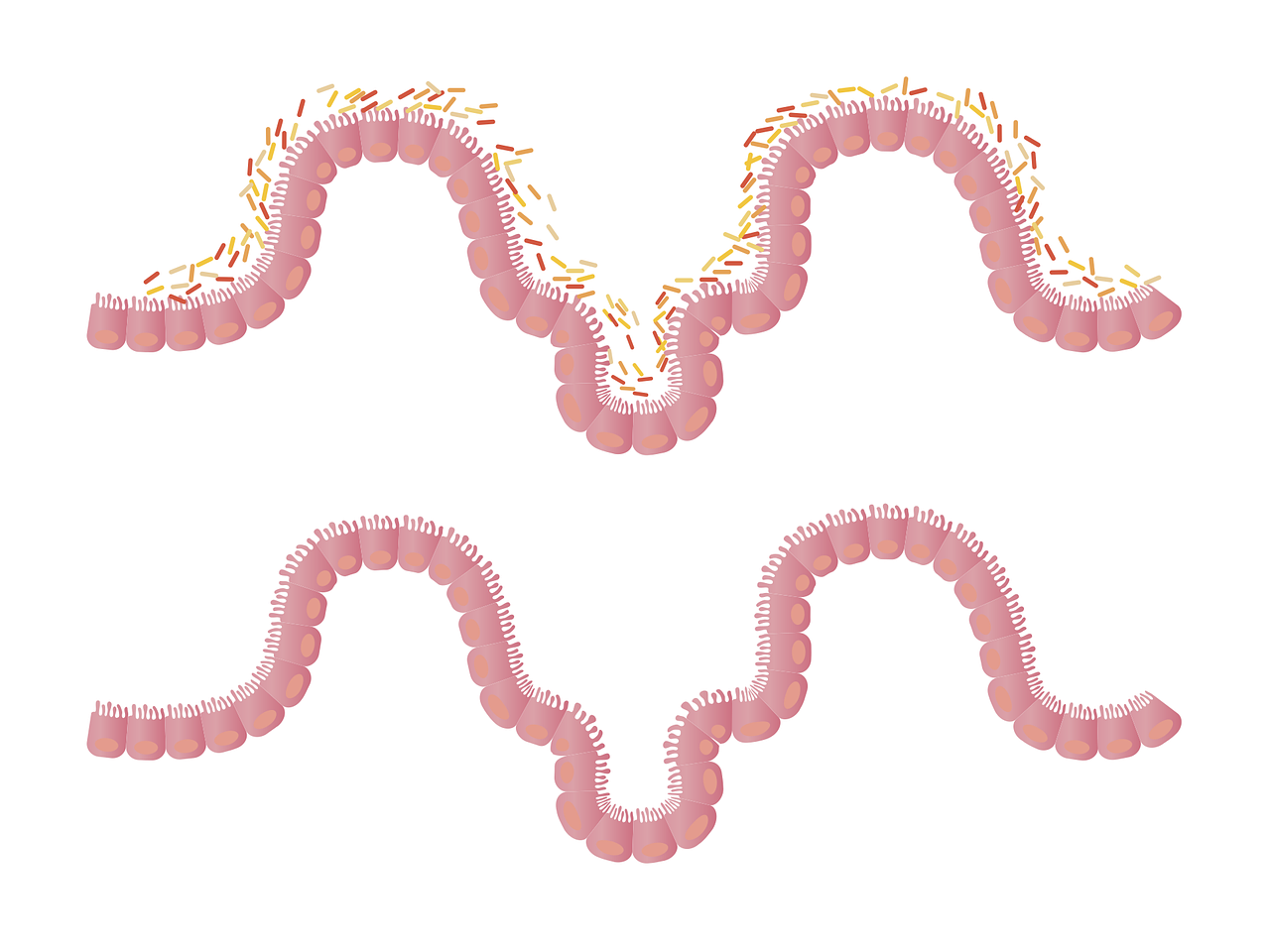
Gut health is a critical factor influencing athletic performance. The gut microbiome, an ecosystem of trillions of microorganisms, plays a vital role in digestion, nutrient absorption, and immune function. When athletes have a healthy gut, they can effectively break down nutrients and access the energy needed for optimal performance. This is especially important for endurance athletes who rely on efficient carbohydrate metabolism. An unhealthy gut can lead to inadequate nutrient absorption, resulting in fatigue and decreased stamina during training or competition. Moreover, gut health can impact inflammation levels in the body. A balanced microbiome helps regulate inflammatory responses, reducing recovery time after intense workouts. Athletes must manage their diets to support gut health, focusing on foods rich in fiber, probiotics, and prebiotics. Foods such as yogurt, kefir, and fermented vegetables are excellent choices. By cultivating a healthy gut, athletes can enhance their overall training results and maintain peak performance levels. In summary, gut health directly affects not just physical capabilities, but also recovery and overall well-being for competing athletes.
Gut health and hydration are closely connected, impacting athletic performance significantly. The gut microbiome assists in fluid balance, which is crucial during intense physical activity. Proper hydration affects digestion and nutrient absorption, preventing performance dips. Athletes often lose fluids through sweat, and if their gut is compromised, it may decrease the efficiency of nutrient uptake. Dehydration can also lead to gastrointestinal distress, a common issue for many athletes. To combat these effects, athletes should prioritize hydration strategies that maintain gut integrity. Consuming electrolyte-rich beverages can promote hydration while supporting gut function. Additionally, incorporating high-water-content fruits and vegetables can provide both hydration and nutrients. Athletes may also benefit from experimenting with hydration timing, ensuring they effectively replenish fluids post-exercise. It’s essential to listen to one’s body and adjust fluid intake based on training intensity and duration. By managing hydration and gut health, athletes can improve endurance, reduce the risk of injury, and enhance recovery times. In conclusion, the interplay between gut health and hydration plays a significant role in optimizing athletic performance.
The Role of Nutrition in Gut Health
Nutrition plays a crucial role in maintaining gut health, which ultimately influences athletic performance. A balanced diet rich in whole foods can support a healthy microbiome. Athletes should prioritize foods high in fiber, like whole grains, fruits, and vegetables, to nourish beneficial gut bacteria. Furthermore, consuming fermented foods contributes to gut health by introducing probiotics, which enhance microbiome diversity. Foods such as kimchi, sauerkraut, and yogurt are excellent sources. Adequate protein intake is also essential, both for muscle repair and for providing necessary amino acids for gut health. Athletes must be cautious about processed foods high in sugars and unhealthy fats, which can disrupt gut balance. Harmful ingredients can lead to increased inflammation and a compromised immune response. It’s advisable to consult with a nutritionist to develop personalized meal plans that support gut health while also meeting energy needs. Additionally, timing meals around training sessions can optimize both digestion and nutrient availability. By focusing on nutrition that promotes gut health, athletes can realize improvements in their overall performance and well-being.
Gut health also directly affects mental performance, which is crucial for athletes. The gut-brain axis, a bi-directional communication network between the gut and the brain, significantly influences mood, cognitive function, and stress levels. Research shows that an imbalance in gut microbiota can contribute to anxiety and depression, negatively impacting an athlete’s confidence and focus during competition. Conversely, a healthy gut microbiome fosters better mood regulation and cognitive clarity. This is why athletes often emphasize the importance of gut health for maintaining mental resilience in high-pressure situations. Practices such as mindfulness and stress reduction can also support gut health, as stress can disrupt microbial balance. Additionally, ensuring adequate sleep plays a vital role in both gut and mental health. Adequate rest allows the body to recover effectively, enhancing cognitive function and promoting a healthy gut microbiome. Combining these elements, athletes can create a holistic approach to performance that recognizes the intertwined nature of gut health and mental well-being. Ultimately, fostering a healthy gut can pave the way for improved psychological resilience and performance.
Supplementation for Gut Health
In some cases, athletes may consider supplementation to support gut health, especially in high-stress training environments. Probiotics, which introduce beneficial bacteria into the gut, can aid in maintaining microbiome balance. Different strains offer various benefits, so it’s crucial to select the appropriate ones based on individual needs and health goals. It’s recommended to trial specific probiotics before competitions to assess tolerance and effectiveness. Additionally, prebiotic supplements can foster the growth of beneficial gut bacteria, enhancing overall gut function. These are often derived from dietary fibers and feed the healthy microbes already present in the gut. A well-supported microbiome can improve digestive health and enhance nutrient absorption, leading to better performance outcomes. However, athletes must approach supplementation with caution, as not all supplements are created equal. Consulting a healthcare professional can help athletes choose high-quality supplements tailored to their unique requirements. Incorporating both dietary and supplemental strategies can effectively promote gut health and positively influence athletic performance over time.
Peer support and community can also play an essential role in promoting awareness around gut health among athletes. Engaging in discussions with fellow athletes, coaches, and nutritionists can facilitate a better understanding of the importance of gut health. Sharing personal experiences can encourage others to monitor their own gut health and seek improvements. Creating workshops or seminars focused on nutrition and gut health may empower athletes to take more control over their dietary choices. Additionally, social media platforms can serve as powerful tools to spread awareness and connect like-minded individuals interested in optimizing gut health. By sharing educational content, success stories, and expert advice, a community-based approach can foster broader acceptance of gut health’s impact on performance. This collaborative environment encourages athletes to stay accountable while exploring new nutritional strategies. Focusing on community-building initiatives around gut health can enhance athletic performance and well-being on a collective level. In conclusion, the integration of community awareness and support further enriches the discourse surrounding gut health, ultimately benefiting athletes everywhere.
Conclusion
In conclusion, gut health plays a pivotal role in influencing athletic performance across various dimensions. From physical stamina to mental clarity, the microbiome’s impact cannot be understated. Proper nutrition, hydration, and community engagement are vital components in cultivating a healthy gut. Athletes must consider gut health not merely as an ancillary aspect of wellness but as a foundational component crucial for achieving peak performance. This holistic approach underscores the importance of viewing the body as an integrated system where each part influences the other. As athletes enhance their awareness of gut health, they can make informed choices that streamline their training and competitive readiness. Exploring dietary options, supplementation, and shared experiences can create a path towards better overall well-being. By prioritizing gut health, athletes can unlock new levels of performance potential. Ultimately, recognizing the intricate connection between gut health and athletic outcomes serves to empower athletes on their journeys toward achieving greatness.
This article serves as a reminder that optimal gut health is a continuous journey requiring sustained effort and awareness among athletes. Embracing the intersections between nutrition, mental performance, and community can catalyze positive changes that benefit not only the individual but also the broader athletic community.