
Safety Guidelines for Children’s Gymnastics Practice
Ensuring the safety of children during gymnastics practice is paramount for both trainers and parents. First, it’s important to ensure the gymnasium is equipped with appropriate mats and safety equipment like crash pads, which can help soften the impact of falls. Regular maintenance of equipment is critical; check that all apparatuses are in excellent condition without any damage. Coaches should also be certified and trained in first aid and CPR. Furthermore, it’s essential all children wear suitable attire that allows freedom of movement. Parents should ensure their kids avoid loose clothing or jewelry to reduce any injury risk. Educating children about the importance of warming up before practice helps them prepare their muscles and reduces the likelihood of strains. Additionally, create an atmosphere that encourages children to voice concerns or fear prior to attempting a new move. This will help build trust and promote their safety. Lastly, ensure that all practice sessions are supervised by qualified personnel who can provide instant feedback. A structured plan integrated with safety protocols ensures that children’s gymnastics practice remains enjoyable and safe for all participants.
Another key factor in maintaining safety is proper supervision during practice sessions. Coaches and instructors should closely observe all participants to prevent dangerous situations. Setting clear rules for behavior on the gym floor is essential. Children must be taught to respect personal space and the equipment around them. Furthermore, it’s beneficial to establish organized routines, where children are grouped according to their skill levels. This helps to minimize accidents and ensures that each child receives the appropriate amount of attention and instruction based on their abilities. In addition, implementing safety drills can educate children on how to respond in case of an emergency. Encouraging an open dialogue can foster a culture of safety awareness among students. Should a child sustain an injury, prompt responses by knowledgeable staff, including a designated first aid provider, can greatly minimize complications. Moreover, after practice, parents should talk with their children about their experiences to reinforce learning opportunities. Feedback from participants allows for continued improvement of safety protocols and practice methods, ensuring that children feel secure and supported during their gymnastics training.
Physical Fitness Considerations
Physical fitness considerations play a significant role in the safety of gymnastics practices. Ensuring that children are physically prepared for gymnastics is essential before allowing them to participate in any routine or activity. Engaging in exercises that strengthen the core, legs, and arms will create a solid foundation for better performance and technique. This can help prevent injuries by enhancing their stability and coordination. It’s also crucial to assess their flexibility, as many gymnastic skills require a range of motion that could lead to discomfort or injury if not properly addressed. Conditioning exercises targeting flexibility should be included in warm-up routines. Additionally, hydration is another aspect that should not be overlooked. Children should have access to water during practice to keep them hydrated and energized. Encouraging regular breaks during workouts can help them rest and recover. Observing children’s individual needs will help accommodate their fitness level while ensuring safely. Parents and coaches must collaborate to prepare children adequately physically for gymnastics practice. Ultimately, addressing these fitness considerations leads to improved performance and a reduced risk of injury during gymnastics activities.
Alongside physical fitness, psychological factors should also not be neglected when discussing safety guidelines in gymnastics practice for children. Each child’s confidence level can significantly affect their performance and willingness to attempt new skills. Coaches should encourage a positive environment where students feel comfortable expressing their apprehensions. It’s vital to celebrate small victories, which builds confidence among gymnasts. Negative experiences in gymnastics can lead to hesitance, which increases the risk of falls or injuries. Providing constructive feedback helps children understand how to improve without discouraging them. Furthermore, children should not be pressured to perform skills they are uncomfortable with; this can lead to injuries. Encouraging progression at an individual pace enhances both skill acquisition and safety. Additionally, providing opportunities for social interactions with fellow gymnasts can foster teamwork skills and support essential in building trust among peers. Fostering a supportive community encourages children to discuss their feelings and experiences openly. The gymnastics practice should focus not only on physical training but also emotional well-being, creating a balanced and healthy atmosphere that promotes safety alongside learning.
Facility and Equipment Safety Checks
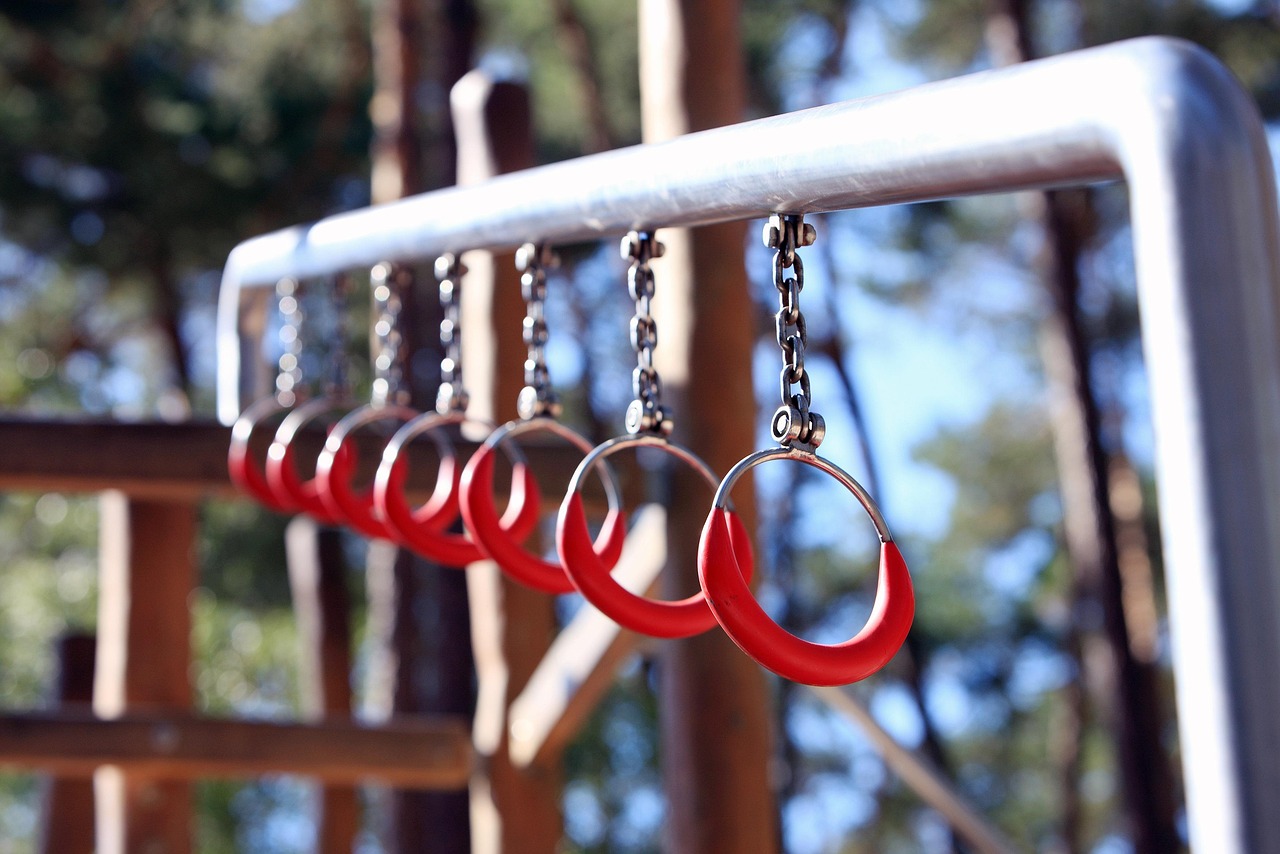
Regular facility and equipment safety checks are crucial in maintaining a safe environment for gymnastics practice. Gyms should establish a routine for inspecting all equipment used, including mats, beams, bars, and other apparatuses. Insurance policies often require these checks, highlighting their importance. A qualified technician should conduct inspections to ensure structures are sound and free from defects. During practice sessions, coaches must also monitor the equipment’s condition actively and report any issues for immediate attention. Additionally, ensuring that the gym floor is clean and free of hazards like loose items or spills is essential to prevent slips and falls. Area demarcation can help children understand where to practice and keep them within safe zones. Implementing a set of guidelines that details the proper use and care of equipment can promote responsible behavior among participants. Beyond equipment checks, ensure that emergency exits and fire evacuation routes are clearly marked and accessible. Investing in up-to-date safety gear provides an added layer of protection, while also reaffirming the facility’s commitment to the safety of its young gymnasts. This holistic focus on safety helps foster an environment conducive to learning and development.
Furthermore, insurance and liability considerations should be part of comprehensive safety measures in gymnastics facilities. Both parents and gym owners must be aware of the insurance policies in place that cover potential injuries. Coaches and staff should be knowledgeable about insurance protocols, which can guide actions in case of incidents involving injuries. Having proper liability coverage can protect both the facility and its employees, while also ensuring that children’s safety is prioritized during practice sessions. Facilities should also consider waivers or consent forms to be signed by parents or guardians before children participate. This ensures clear communication regarding the risks associated with gymnastics practice, while promoting transparency between trainers and families. Additionally, encouraging a safety-first mentality can greatly contribute to reducing accidents, thus confirming that the facility prioritizes children’s health. Encouraging parents to regularly check in on their children’s wellbeing and experiences can reinforce this culture of safety. Open communication between all involved parties highlights the facility’s prioritization of safety, making gym practice a more secure experience for all participants.
Emergency Preparedness
Emergency preparedness represents an integral aspect of safety guidelines for gymnastics practice. Being ready for unexpected situations ensures that coaches and participants can respond quickly and adequately. Facilities should have easily accessible first aid kits in prominent locations, enabling quick action if injuries occur. Moreover, having a designated person trained in first aid within the facility who can oversee emergency procedures minimizes panic during crises. Conducting regular drills can prepare both staff and children on how to react during emergencies, reinforcing their knowledge of proper protocols. In addition, posting emergency contact numbers visibly in the gym can help remind everyone of the swift actions needed in an emergency. Coaching staff should also be informed of evacuation plans necessitating regular review sessions to keep everyone alerted and prepared. Lastly, fostering an environment where children feel safe discussing their concerns regarding safety can help improve overall preparedness. Should a scenario occur, previous discussions can reflect how children perceive their safety. Emphasizing this preparedness culture both equips and empowers children to respond responsibly when unexpected events arise, thus ensuring continual safety in gymnastics practices.
In conclusion, implementing effective safety guidelines for children’s gymnastics practice guarantees a secure environment in which they can thrive. By addressing critical areas such as supervision, physical fitness, psychological comfort, facility safety, insurance protocols, and emergency prep, both parents and staff play a role in creating a healthy atmosphere. Establishing open lines of communication enhances transparency, providing continuous feedback for improvement across all facets of practice. When children feel supported in their gymnastics training, they develop essential skills while also aspiring toward excellence. Encouraging all participants to voice concerns, ask questions, and engage in practices safely strengthens their experiences and builds essential trust among peers and staff alike. Moreover, as children progress in their gymnastics abilities, instilling safety values throughout training nurtures responsibility toward themselves and their teammates. Ultimately, cultivating an atmosphere of safety and respect not only reduces the risk of injury but also empowers children through commitment to gymnastics. Enforcing these guidelines is a collective effort, ensuring that gymnastics remains a safe and enjoyable activity for the youth, maximizing both performance potential and the joy of movement.