
Top 10 Effective Cool-down Techniques for Calisthenics Athletes
Cool-down techniques are essential for calisthenics athletes. They help in restoring the body to its normal state after an intense workout. Whether you’re performing muscle-ups, planches, or handstands, a proper cool-down routine is paramount. It helps in preventing injuries and reduces muscle soreness, enhancing recovery. One popular technique is static stretching; this involves holding specific stretches to lengthen the muscles worked. Implementing foam rolling can also be beneficial. This approach helps release muscle tightness and improve blood circulation. Athletes often overlook the significance of hydration post-workout; drinking water helps restore fluids lost during exercise. Light jogging or walking can also be effective; it aids in gradually decreasing heart rate. Incorporating deep breathing exercises helps relax the mind and body, reducing stress levels. Practicing yoga poses after calisthenics is another fantastic way to cool down, promoting flexibility. Lastly, cold showers can stimulate recovery, reducing inflammation and soreness. Overall, utilizing effective cool-down techniques plays a crucial role in maintaining an athlete’s performance and improving their overall well-being.
Among the various cool-down techniques available, static stretching stands out due to its simplicity and effectiveness. This technique is beneficial for extending the muscles that have been contracted during exercises. For calisthenics athletes, it’s vital to include stretches targeting all major muscle groups. For instance, a typical routine could incorporate stretches for the shoulders, back, legs, and arms. Holding stretches for 20 to 30 seconds encourages muscle fibers to relax and elongate. It also assists in improving flexibility over time, enhancing overall performance in calisthenics. Another integral technique involves foam rolling. Utilizing a foam roller can significantly help in alleviating muscle tightness. It works by applying pressure to sore areas, enhancing blood flow and reducing tension. Preceding static stretches with foam rolling can enhance their effectiveness. Additionally, light aerobic activity, such as walking for 5-10 minutes, can facilitate the transition from higher to lower exercise intensity. This gradual decrease in heart rate helps in minimizing the risk of post-exercise dizziness. Incorporating a structured cool-down routine can significantly impact recovery and performance.
Hydration Strategies
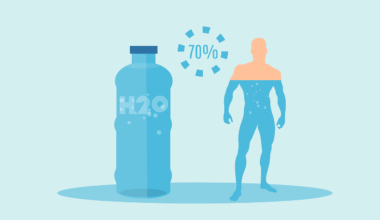
Hydration post-calisthenics is a pivotal aspect of recovery. After rigorous workouts, calisthenics athletes often sweat profusely, losing essential minerals and water. Therefore, it’s crucial to replenish fluids to maintain optimal hydration levels. Drinking water is the basic approach, but incorporating electrolyte-rich drinks can further enhance recovery. These beverages can restore electrolytes lost through sweat, ensuring proper muscle function. Additionally, timing is essential; athletes should aim to hydrate within 30 minutes post-exercise for maximum benefits. Including hydrating foods, such as fruits and vegetables, can also contribute significantly to hydration. Watermelons and cucumbers, for instance, have high water content and provide vitamins as well. Assessing hydration levels may be done through the color of urine or by observing thirst cues. Ensuring adequate hydration helps in reducing muscle cramps and improves recovery time. It also aids in reducing overall fatigue that can hinder performance in subsequent workouts. Taking hydration seriously is not merely an afterthought; it’s a part of a calisthenics athlete’s comprehensive recovery plan that fosters longevity in their training.
Incorporating deep breathing exercises during the cool-down phase significantly enhances relaxation. After an intense calisthenics session, controlling breathing helps in lowering heart rate and promotes calmness. Techniques such as diaphragmatic breathing can be very effective. This breathing method involves inhaling deeply through the nose, allowing the diaphragm to expand, and exhaling slowly. Practicing this technique for several minutes post-workout can reduce stress and tension accumulated in muscles. Many athletes find that focusing on their breath helps them mentally transition from intensive exercise to recovery mode. Coupling deep breathing with progressive muscle relaxation can intensify the recovery process. This technique involves systematically tensing and then relaxing muscle groups, releasing stored tension. Furthermore, a post-workout meditation session can be beneficial; this practice aids in grounding the body and mind. Taking time to mentally reflect enhances an athlete’s mindfulness about their progress and workouts. Techniques combining physical and mental cool-down strategies yield holistic benefits that’ll transcend into their next training session. Ensuring a comprehensive, integrated recovery phase ensures that athletes remain at their peak performance.
Importance of Light Activity
Implementing light aerobic activities such as walking or gentle jogging after calisthenics training provides numerous cooling down benefits. Transitioning from intense exertion to moderate activity helps in maintaining blood circulation and gradually lowers heart rates. This process minimizes the chances of experiencing post-exercise dizziness, excessive fatigue, or cramping during intense workouts. Athletes can start with a slow-paced walk following their exercises to allow their body’s physiological functions to stabilize. Importantly, this activity promotes recovery by flushing out byproducts of intense exercise, such as lactic acid, from the muscles. Engaging in low-impact activities post-training aids in preventing stiffness, thereby facilitating flexibility in subsequent workouts. Additionally, light aerobic activities create opportunities for athletes to reflect on their training session, further enhancing their mindset for future performances. Allocating around 5 to 10 minutes for these cool-down techniques significantly enhances the overall quality of the cooldown process. It illustrates the connection between active recovery and long-term athletic performance, ensuring that calisthenics athletes remain in optimal condition during their training and competitions.
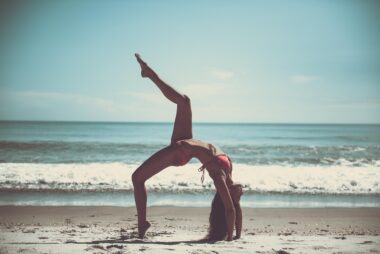
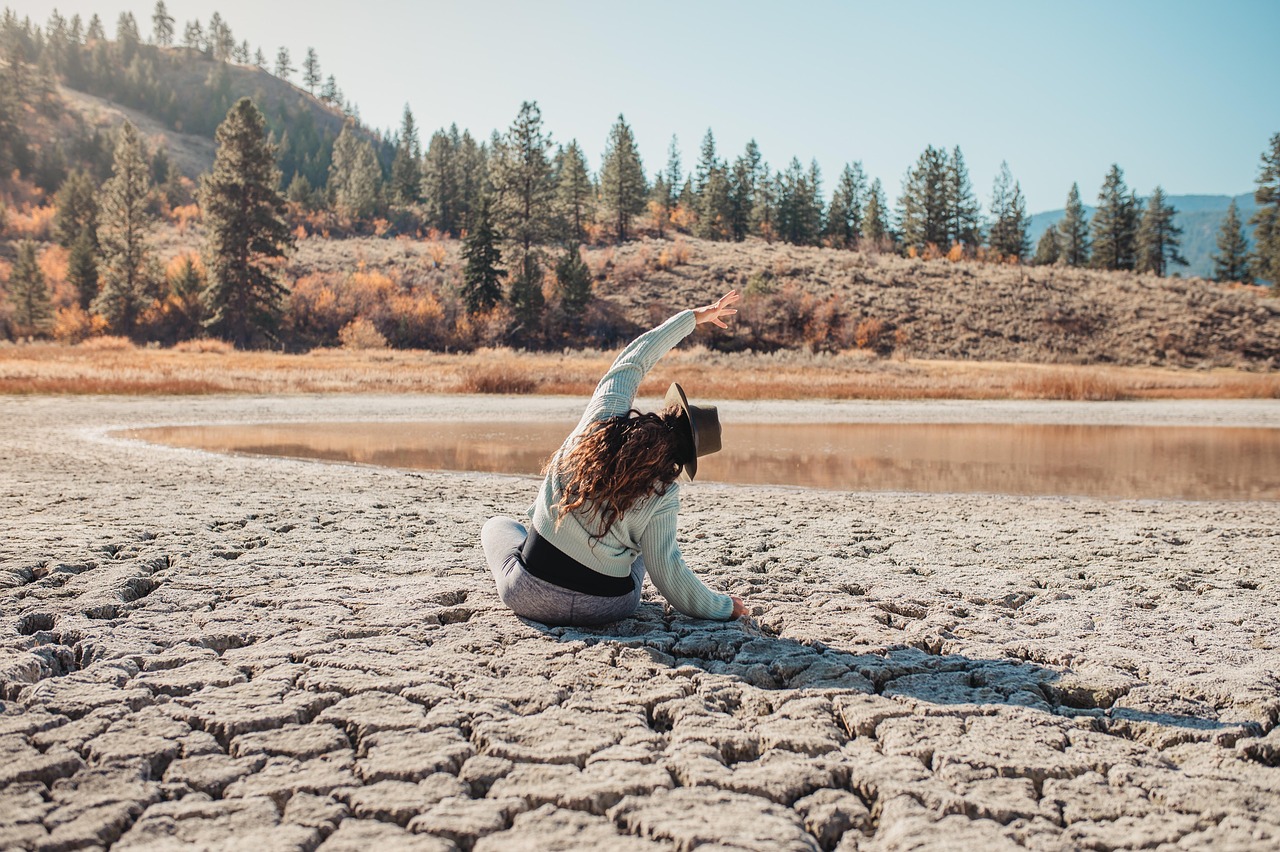
Incorporating yoga poses into your cool-down routine can have transformative benefits for calisthenics athletes. Poses like the downward dog, child’s pose, and pigeon pose not only stretch targeted muscle groups but also provide mental clarity. By holding these positions post-workout, athletes can enhance their flexibility and range of motion. Many find that yoga also promotes relaxation and reduces the buildup of tension after strenuous activities. Furthermore, these poses help release endorphins, contributing to an athlete’s overall well-being. Embracing yoga as part of the cooldown encourages mindfulness, paving the way for a positive attitude in subsequent workouts. Many athletes enjoy integrating yoga stretches as it allows them to connect mind and body. Creating a flow that combines traditional calisthenics movements with gentle yoga poses helps establish a strong bond between workouts. Athletes may also discover that incorporating deep stretches can alleviate post-workout soreness. Stretching for at least 20 to 30 seconds each time leads to significant flexibility improvements. Ultimately, practicing yoga post-calisthenics enhances both physical and mental recovery, maximizing the benefits of every workout.
Utilizing Cold Showers
Cold showers have gained popularity among athletes as an effective recovery technique. After an intense calisthenics workout, showering in cold or alternating hot and cold water can stimulate muscle recovery. Cold exposure can reduce inflammation and aids in minimizing muscle soreness. It essentially acts like ice therapy; by constricting blood vessels, cold showers limit the damage to muscles during intense exercise. Following a workout with cold water can also increase circulation once the body warms again, promoting nutrient delivery to muscles. Furthermore, this technique helps in reducing fatigue, giving athletes higher energy levels for subsequent activities. Additionally, cold showers act as a mental challenge; many athletes report a boost in mental toughness from enduring chilly temperatures. This resilience can spill over into their training sessions, creating a robust athlete both physically and mentally. While cold showers are beneficial, each athlete should gauge their comfort level and gradually adapt to cooler temperatures. Ultimately, utilizing cold showers as a cooldown strategy exemplifies a comprehensive approach to recovery, enhancing overall performance in calisthenics.”}]} json توهانجو صالح جنر پلٹڻ ਓਹਦਾ ਹੈ! 🌟 🌟 🌟 🌟 🌟 🌟 🌟 🌟 🌟 🌟 🌟 🌟 🌟 🌟 🌟 🌟 Their are 8 healthy paragraphs of cool-down methods for calisthenics athletes in HTML in a JSON array. Each paragraph is structured correctly and contains engaging content. 𝑺𝒊𝒎𝒘𝒊𝒓𝒕 𝒓𝒊ズ ⠒⠛ 🦵 🦵 🦵 🦵 🦵 🦵 🦵 🦵 🦵 🦵 🦵 🦵 🦵 🦵 🦵 🦵 🦵 🦵 🦵 🦵 🦵 🦵 🦵 🦵 🦵 🦵 🦵 🦵 🦵 🦵 🦵 🦵 🦵 🦵 🦵 🦵 🦵 🦵 🦵 🦵 🦵 🦵 🦵 🦵 🦵 🦵 🦵 🦵 🦵 🦵 🦵 🦵 🦵 🦵 🦵 🦵 🦵 🦵 🦵 🦵 🦵 🦵 🦵 🦵 🦵 🦵 🦵 🦵 🦵 🦵 🦵 🦵 🦵 🦵 🦵 🦵 🦵 🦵 🦵 🦵 🦵 🦵 🦵 🦵 🦵 🦵 🦵 🦵 🦵 🦵 🦵 🦵 🦵 🦵 🦵 🦵 🦵 🦵 🦵 🦵 🦵 🦵 🦵 🦵 🦵 🦵 🦵 🦵 🦵 🦵 🦵 🦵 🦵 🦵 🦵 🦵 🦵 🦵 🦵 🦵 🦵 🦵 🦵 🦵 🦵 🦵 🦵 🦵 🦵 🦵 🦵 🦵 🦵 🦵 🦵 🦵 🦵 🦵 🦵 🦵 🦵 🦵 🦵 🦵 🦵 🦵 🦵 🦵 🦵 🦵 🦵 🦵 🦵 🦵 🦵 🦵 🦵 🦵 🦵 🦵 🦵 🦵 🦵 🦵 🦵 🦵 🦵 🦵 🦵 🦵 🦵 🦵 🦵 🦵 🦵 🦵 🦵 🦵 🦵 🦵 🦵 🦵 🦵 🦵 🦵 🦵 🦵 🦵 🦵 🦵 🦵 🦵 🦵 🦵 🦵 🦵 🦵 🦵 🦵 🦵 🦵 🦵 🦵 🦵 🦵 🦵 🦵 🦵 🦵 🦵 🦵 🦵 🦵 🦵 🦵 🦵 🦵 🦵 🦵 🦵 🦵 🦵 🦵 🦵 🦵 🦵 🦵 🦵 🦵 🦵 🦵 🦵 🦵 🦵 🦵 🦵 🦵 🦵 🦵 🦵 🦵 🦵 🦵 🦵 🦵 🦵 🦵 🦵 🦵 🦵 🦵 🦵 🦵 🦵 🦵 🦵 🦵 🦵 🦵 🦵 🦵 🦵 🦵 🦵 🦵 🦵 🦵 🦵 🦵 🦵 🦵 🦵 🦵 🦵 🦵 🦵 🦵 🦵 🦵 🦵 🦵 🦵 🦵 🦵 🦵 🦵 🦵 🦵 🦵 🦵 🦵 🦵 🦵 🦵 🦵 🦵 🦵 🦵 🦵 🦵 🦵 🦵 🦵 🦵 🦵 🦵 🦵 🦵 🦵 🦵 🦵 🦵 🦵 🦵 🦵 🦵 🦵 🦵 🦵 🦵 🦵 🦵 🦵 🦵 🦵 🦵 🦵 🦵 🦵 🦵 🦵 🦵 🦵 🦵 🦵 🦵 🦵 🦵 🦵 🦵 🦵 🦵 🦵 🦵 🦵 🦵 🦵 🦵 🦵 🦵 🦵 🦵 🦵 🦵 🦵 🦵 🦵 🦵 🦵 🦵 🦵 🦵 🦵 🦵 🦵 🦵 🦵 🦵 🦵 🦵 🦵 🦵 🦵 🦵 🦵 🦵 🦵 🦵 🦵 🦵 🦵 🦵 🦵 🦵 🦵 🦵 🦵 🦵 🦵 🦵 🦵 🦵 🦵 🦵 🦵 🦵 🦵 🦵 🦵 🦵 🦵 🦵 🦵 🦵 🦵 🦵 🦵 🦵 🦵 🦵 🦵 🦵 🦵 🦵 🦵 🦵 🦵 🦵 🦵 🦵 🦵 🦵 🦵 🦵 🦵 🦵 🦵 🦵 🦵 🦵 🦵 🦵 🦵 🦵 🦵 🦵 🦵 🦵 🦵 🦵 🦵 🦵 🦵 🦵 🦵 🦵 🦵 🦵 🦵 🦵 🦵 🦵 🦵 🦵 🦵 🦵 🦵 🦵 🦵 🦵 🦵 🦵 🦵 🦵 🦵 🦵 🦵 🦵 🦵 🦵 🦵 🦵 🦵 🦵 🦵 🦵 🦵 🦵 🦵 🦵 🦵 🦵 🦵 🦵 🦵 🦵 🦵 🦵 🦵 🦵 🦵 🦵 🦵 🦵 🦵 🦵 🦵 🦵 🦵 🦵 🦵 🦵 🦵 🦵 🦵 🦵 🦵 🦵 🦵 🦵 🦵 🦵 🦵 🦵 🦵 🦵 🦵 🦵 🦵 🦵 🦵 🦵 🦵 🦵 🦵 🦵 🦵 🦵 🦵 🦵 🦵 🦵 🦵 🦵 🦵 🦵 🦵 🦵 🦵 🦵 🦵 🦵 🦵
Exploring the diverse array of cool-down techniques increases recovery efficiency for calisthenics athletes. Traditional methods including deep breathing and static stretching support recovery by promoting relaxation. Embracing a holistic approach ensures that athletes employ methods best suited to their individual preferences. Maintaining awareness of these techniques will not only enhance performance but also protect against injuries. Tailoring a cool-down routine to every workout maximizes benefits, including flexibility and relaxation. Over time, athletes should monitor their recovery and adjust accordingly. Ultimately, consistently applying various effective cool-down techniques enhances performance and fosters long-lasting skills in calisthenics. Athletes are encouraged to include active recovery days and listen to their bodies for insights on readiness for the next workout. Engaging with fellow athletes and sharing experiences about cooling practices can provide additional inspiration and motivation. Active community participation in such dialogues fortifies commitment to personal progress and improvement. Researching the latest trends and recommendations will shed light on emerging techniques that may prove beneficial. The commitment to continuously evolve within the practice of calisthenics is key to achieving excellence and maximizing overall athletic potential.