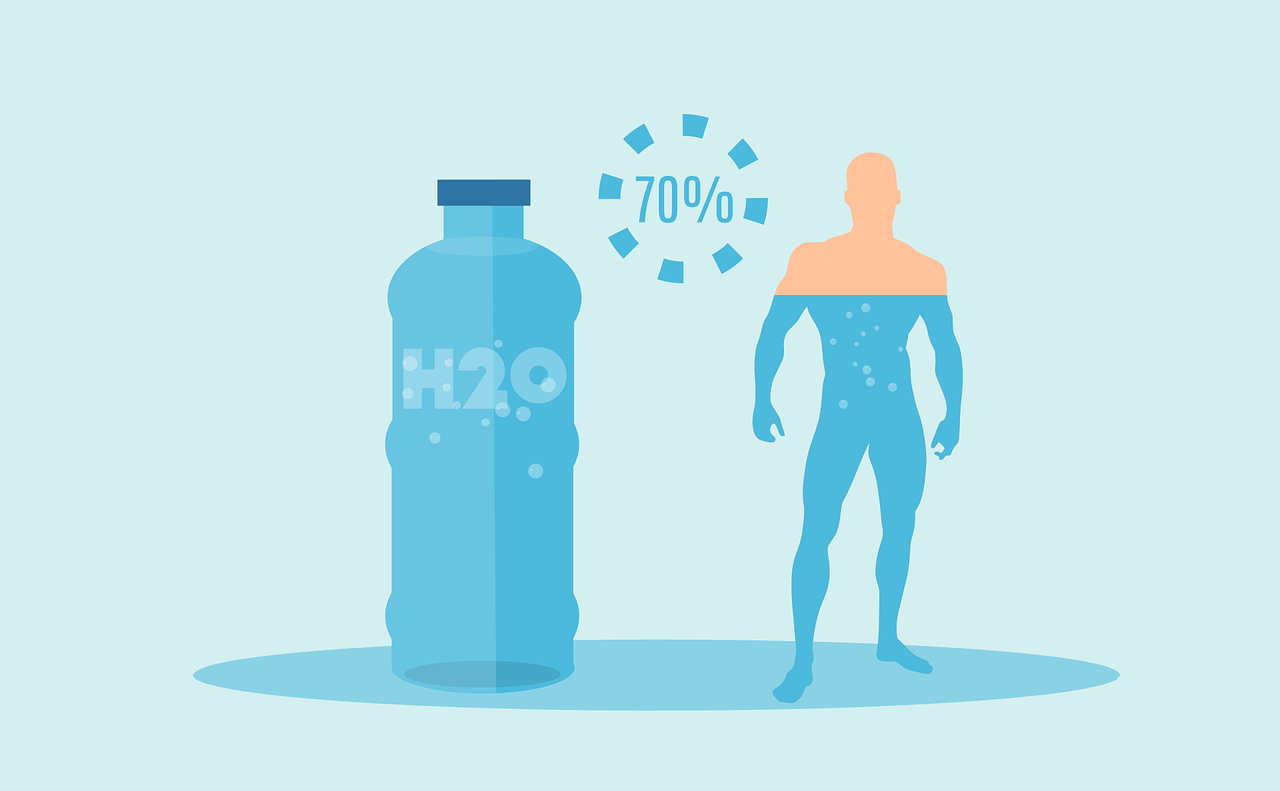

Magnesium and Hydration: Maintaining Electrolyte Balance in Training
Magnesium plays a crucial role in the body’s hydration and electrolyte balance, especially for athletes and active individuals. This essential mineral helps regulate muscle function and supports energy production. During prolonged exercise, magnesium assists in maintaining fluid levels, ensuring that nutrients and essential electrolytes, such as sodium and potassium, are balanced effectively. When magnesium levels drop, the risk of dehydration increases significantly, leading to a decrease in athletic performance. Ensuring adequate magnesium intake can enhance hydration capacity, providing athletes with the stamina required during intense training sessions. Additionally, magnesium supplements can help prevent cramps by allowing muscles to relax, thereby boosting overall performance and recovery. Foods rich in magnesium include spinach, nuts, and whole grains, but supplementation can be necessary to meet specific training demands. It is essential to monitor magnesium levels closely, particularly in athletes who sweat excessively. The right magnesium supplementation dosage can be vital for maintaining optimal hydration and performance levels. By prioritizing magnesium intake, athletes can enhance their electrolyte balance during training, leading to improved endurance and overall well-being.
Magnesium also influences various bodily functions essential for sports performance, including energy metabolism and muscle contraction. An athlete’s capability to perform at their best is heavily reliant on magnesium for energy production. When engaging in physical activities, the demand for ATP increases, and magnesium is necessary for its synthesis. Low levels of magnesium can lead to fatigue, muscle weakness, and poor recovery rates after exercise. It is, therefore, crucial for athletes to incorporate magnesium-rich foods and consider supplements to sustain effective training regimens. Additionally, magnesium aids in reducing inflammation and oxidative stress, which allows for quicker recovery post-exercise, minimizing the risk of injury or burnout. This mineral assists in maintaining cardiovascular health, vital for athletes to deliver oxygen to their working muscles effectively. Understanding the synergy between hydration, magnesium, and performance not only aids in achieving athletic goals but also fosters a balanced lifestyle. As many sports nutritionists recommend, an optimal magnesium level supports not just hydration but enhances overall athletic performance. Ensuring that carbohydrates, proteins, and fats are managed alongside magnesium intake establishes a full-circle approach to sports nutrition.
The Role of Magnesium in Hydration
Hydration is not merely about fluid intake; it also necessitates maintaining an adequate balance of electrolytes in the body. Magnesium is one of the key players in this mix, impacting hydration status significantly. When athletes are dehydrated, sodium and potassium levels can become unbalanced, but magnesium acts as a stabilizer. As a cofactor in over 300 enzymatic reactions, it allows cells to absorb and utilize fluids more efficiently. This facilitates a more sustained level of hydration, thus improving an athlete’s performance and endurance. Low magnesium levels can adversely affect electrolyte balance, leading to increased muscle cramps, spasms, and even delayed recovery. Therefore, integrating magnesium into an athlete’s diet can bolster hydration levels, ensuring optimal availability of electrolytes. Many sports drinks today are fortified with magnesium to help replenish this essential mineral lost during sweating. Proper hydration coupled with adequate magnesium levels can significantly enhance athletic stamina and resilience. Overall, recognizing magnesium’s pivotal role in hydration can lead to lasting improvements in performance, making it a non-negotiable part of any athlete’s nutritional strategy.
Magnesium supplementation strategies vary based on individual needs, activity levels, and dietary practices. For athletes undergoing intense training, daily intake should be closely monitored to align with specific requirements. Particularly during heat and humid conditions, increased sweating can lead to a severe loss of magnesium, necessitating greater supplemental support. Athletes should also consider variability across food sources: some may naturally contain higher magnesium levels than others. For example, leafy greens, legumes, and nuts are considered excellent sources. Athletes may benefit from magnesium supplementation pre-and-post workouts to maintain adequate levels consistently. Pairing magnesium with vitamin D can also enhance its absorption and efficacy in the body. A detailed assessment by a nutritionist or healthcare professional is recommended to determine specific needs for magnesium supplementation. Additionally, understanding the timing and method of supplementation can maximize its benefits and support hydration effectively. Each athlete’s response may differ; hence, personalization in supplementation strategies is essential for achieving optimal hydration and performance outcomes.
Magnesium Deficiency and Its Risks
A magnesium deficiency can significantly impact athletes, leading to various health risks. Symptoms can range from mild fatigue to severe muscle cramps and even cardiovascular issues. This deficiency can lead to a decrease in energy levels, making it far more challenging for athletes to maintain performance during training or competition. Low magnesium levels are often unnoticed until they start affecting sports performance, thus underlining the importance of regular dietary assessments. Certain populations, such as athletes, pregnant women, or those with gastrointestinal disorders, are at higher risk and should monitor their intake closely. It’s critical to identify sources of magnesium efficiently—whether through whole foods, fortified products, or supplements. It is essential to recognize the signs of magnesium deficiency early to mitigate potential impacts. Moreover, addressing the deficiency not just aids physical performance but also enhances overall well-being. Implementing a holistic approach to nutrition, focusing on magnesium-rich foods combined with a tailored supplementation strategy, can create a supportive environment for athletes seeking optimal hydration and performance balance. Developing a routine to check magnesium levels, perhaps through blood tests, ensures athletes stay informed.
The balance between hydration, electrolyte maintenance, and magnesium supplementation is crucial for peak athletic performance. A synergistic approach to nutrition can yield impressive results, helping athletes tailor their diets effectively while amplifying their hydration strategy. Moreover, with the rise of performance-enhancing products, it becomes paramount to emphasize the power of naturally sourced nutrition. Athletes should prioritize whole foods rich in magnesium during training cycles, such as seeds, grains, and dark chocolate, as these sources also deliver other essential nutrients. Additionally, timely hydration practices must accompany magnesium intake to supply the body adequately during demanding training sessions. Each aspect contributes to a well-rounded nutritional strategy that can elevate performance while safeguarding health, emphasizing recovery, and building resilience. Continuous education on the importance of minerals like magnesium should remain a priority among athletes and coaches. Adopting sustainable practices for consuming magnesium-rich diets can promote hydration balance, as maintaining electrolyte levels ensures athletes are always prepared for the rigors of their training schedules. As the world of sports nutrition evolves, understanding such elements becomes vital for success.
Conclusion
Ultimately, magnesium and hydration are interlinked components critical in sustaining athletic performance. As athletes and fitness enthusiasts strive for optimum results, they must not overlook the importance of magnesium in maintaining electrolyte balance. Ongoing research and discussions continue to unveil the essential roles minerals play in sports nutrition. Magnesium supplementation can enhance hydration, endurance, recovery, and overall health. For athletes, achieving a balanced approach to nutrition leads to improved training sessions and competitive outcomes. Developing a personalized hydration strategy that accounts for magnesium levels allows athletes to optimize their training while minimizing risks associated with dehydration and deficiency. Therefore, education concerning magnesium intake through supplements and nutrition can empower athletes to take charge of their performance. By focusing on hydration and magnesium balance, athletes can enhance their well-being and achieve their goals more efficiently. To cement this understanding, athletes should set measurable hydration and nutrition goals while regularly reviewing their dietary practices. Together, these insights can create lasting performance improvements by ensuring that magnesium and hydration coexist healthily in any athlete’s regimen.