
Cross-Training with Martial Arts to Enhance Parkour Skills
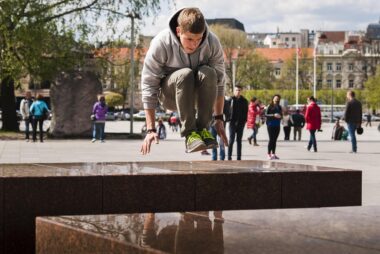
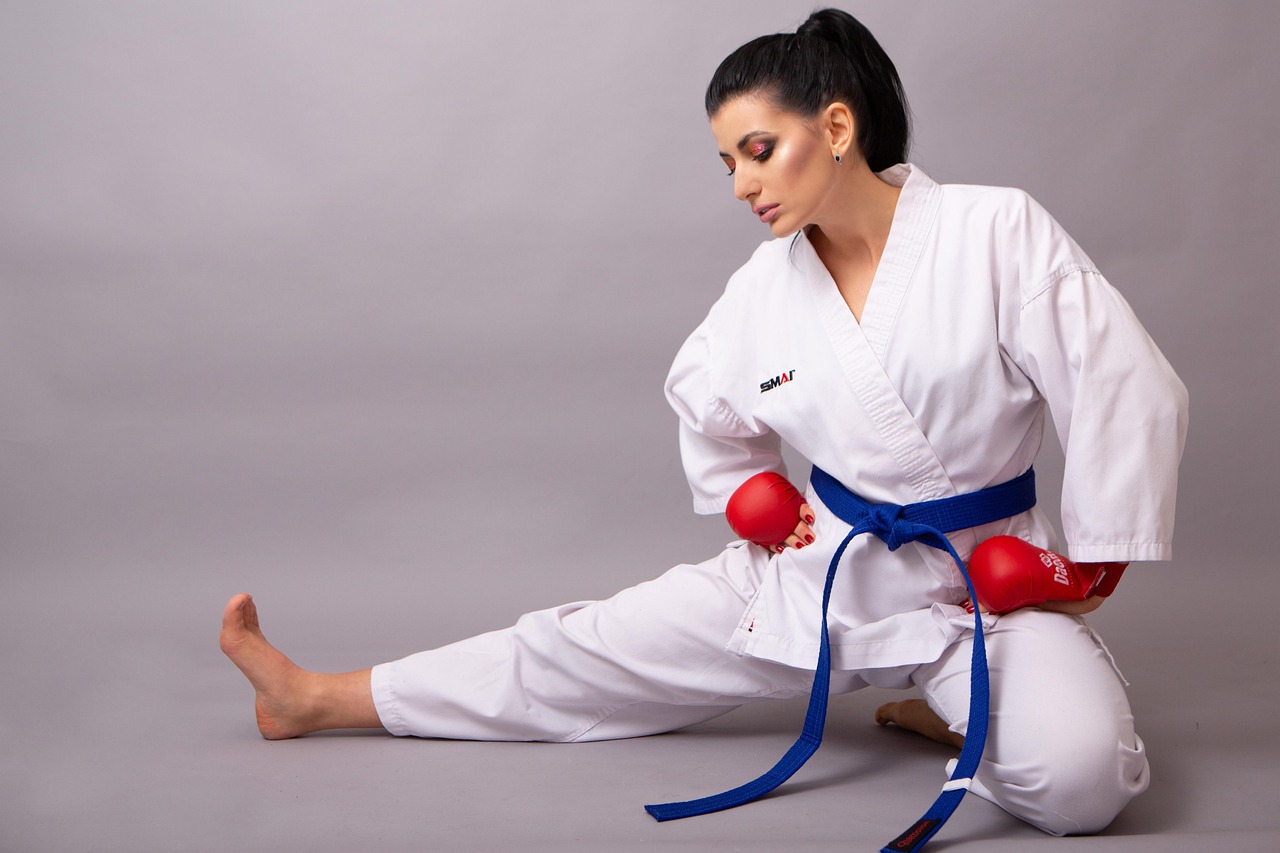
Cross-training in martial arts has proven to be one of the most effective ways to enhance parkour skills. Training in disciplines like Brazilian Jiu-Jitsu, Muay Thai, and Taekwondo not only boosts physical abilities but also improves mental resilience. Practicing martial arts aids in developing crucial attributes such as speed, agility, and balance. Notably, the explosive power found in striking arts translates well to the dynamic movements required in parkour. Additionally, martial arts practice fosters an acute awareness of one’s body in motion, which is crucial for executing parkour movements successfully.
The integration of martial arts techniques into parkour training promotes better coordination and body control. Many parkour practitioners find that working on kicks or stances helps refine their jumping abilities. Techniques such as the side-kick can improve lateral movements, allowing smoother transitions between obstacles. Moreover, learning how to fall safely through martial arts makes parkour athletes more confident in their abilities. They learn how to roll effectively, minimizing the risk of injury during dynamic maneuvers. This understanding of body mechanics is vital for doing flips and landing jumps, contributing to safer training environments.
Strength training is another vital aspect of martial arts that contributes greatly to parkour proficiency. Engaging in forms such as capoeira provides a full-body workout, emphasizing strength, flexibility, and endurance. Through consistent training, practitioners develop stronger core muscles, enabling them to perform complex parkour landings and transitions effortlessly. Moreover, martial arts often incorporate conditioning drills that can be directly adapted to parkour training. Examples include agility drills that enhance footwork and explosive movements needed for climbing or vaulting obstacles. This strength and conditioning not only enhance performance but also increase stamina.
Discipline and Mental Focus
Martial arts training instills discipline and mental focus, which can benefit parkour practitioners immensely. The dedication required to master martial arts not only enhances physical abilities but also shapes one’s mindset. Developing focus helps athletes concentrate better on their parkour routines and techniques. This mental strength is crucial when attempting difficult sequences or facing challenging obstacles. Moreover, the self-discipline learned through martial arts practice promotes a strong work ethic, encouraging parkour practitioners to stick to their training plans and push through physical barriers.
Another advantage of cross-training in martial arts is the exposure to various movement philosophies. Different martial arts adopt unique approaches to movement, offering valuable perspectives for parkour athletes. For example, the fluidity found in Tai Chi can enhance grace and control in parkour, promoting more elegant transitions. Alternatively, the explosive actions in boxing can further develop an athlete’s ability to launch into jumps with power. Overall, these contrasting movement styles provide a broader toolkit for parkour practitioners to draw from, allowing them to diversify their skill sets effectively.
Cross-training in martial arts also fosters a sense of community among athletes. Joining martial arts classes facilitates meeting like-minded individuals sharing similar goals in improving their physical prowess. This supportive environment can lead to accountability, motivation, and creative exchanges of techniques that might enhance one’s parkour practice. Furthermore, martial arts studios often host collective training sessions or seminars, creating opportunities for skill-sharing and learning. Awareness of community dynamics encourages parkour athletes, reinforcing their commitment to improving while having fun and making lasting friendships.
Incorporating Techniques into Training Routines
A successful integration of martial arts into parkour training routines involves strategic planning. Athletes may consider dedicating specific days to martial arts practice, focusing on techniques that complement their parkour moves. For instance, having a wrestling class ends with conditioning movements that mirror ground rolls can seamlessly align with parkour falls. Additionally, warm-ups can integrate martial arts drills to prepare the body for parkour-specific movements, maximizing efficiency. Ultimately, understanding how to balance both practices can lead to more productive training sessions.
Lastly, some athletes might benefit from a dedicated joint training session combining both disciplines. In these sessions, participants can create exercises melded from martial arts and parkour. By designing routines that require navigation through obstacles while applying striking techniques, athletes experience a dynamic and thrilling workout. These exercises challenge not only physical athleticism but also cognitive responses to real-time obstacles, improving adaptability in both practices. Overall, the combination of martial arts and parkour generates a harmonious synergy that elevates performance and fosters versatile skills.