
Weekly Core Training Routine for Postpartum Fitness
Postpartum fitness is crucial for mothers who want to regain their strength and energy levels after childbirth. A well-structured weekly core training schedule can help new moms achieve their fitness goals safely and effectively. Start with gentle exercises that focus on engaging the core muscles. Include pelvic floor exercises to enhance recovery and stability. Remember to always listen to your body, and modify movements to avoid strain. A mix of cardio and strength training will promote weight loss while strengthening the core. Consider integrating activities like walking or swimming, which are great low-impact options. Aim for short bursts of activity throughout the week. This ensures that the body is not overwhelmed while still experiencing improvements in fitness levels. Finally, keep a journal to track progress and set realistic goals. Celebrate small wins to stay motivated and maintain a positive mindset during this transformative phase. Revisit your routine every few weeks to adjust your intensity and complexity based on your progress.
Daily Breakdown of Core Exercises
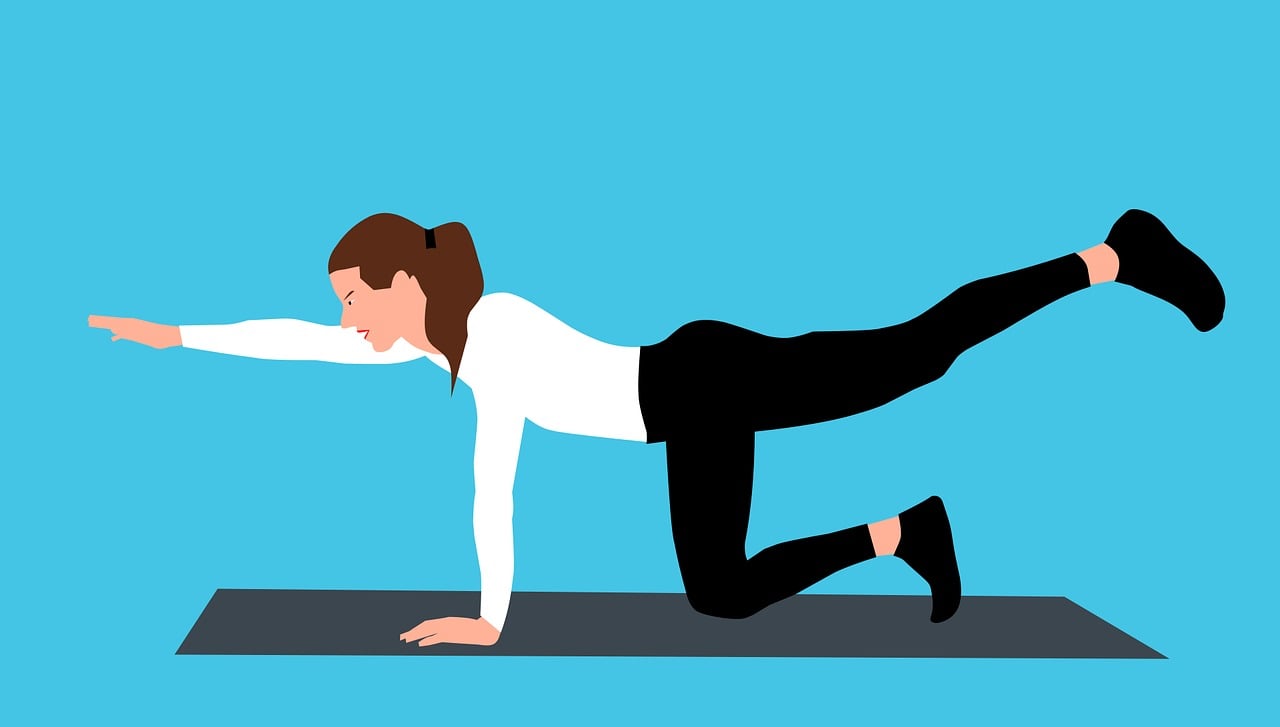
In your weekly core training schedule, dedicate specific days to certain exercises for optimal results. For instance, Monday might focus on basic core stabilization exercises. Think planks and bridges, which engage multiple muscle groups effectively. On Wednesdays, a more dynamic approach can be taken with exercises like bird dogs and dead bugs. Each exercise encourages coordination and strengthens the core muscles. Consider alternating your focus throughout the week to include different core-related movements, such as oblique twists and leg lifts. Target both the front and sides of your torso. Friday can be dedicated to integrating resistance training with a stability ball or resistance bands. This adds variety while maintaining the core’s focus. Ensure that each workout includes a warm-up and cooldown segment to prevent injuries. Introducing variety keeps the routine exciting and prevents plateaus. On weekends, allow time for active recovery, including stretching or yoga sessions. This enhances flexibility and overall body awareness. Such a schedule encourages consistent engagement, allowing for improvements in strength and endurance.
It’s essential to incorporate recovery within your weekly core training routine. Recovery plays a vital role in muscle building after workouts, particularly for postpartum women. Allocate at least one day a week focusing solely on recovery strategies. This could be through gentle yoga, foam rolling, or simply rest days. Prioritize quality sleep, nutrition, and hydration, as these will aid your body in healing. Furthermore, consider engaging with a community or group for support, accountability, and motivation. Surrounding yourself with others on similar fitness journeys can provide encouragement. Additionally, psychotherapy or coaching may assist any emotional aspects during recovery. Emphasizing self-care can transform your mindset positively during your postpartum journey. Resting isn’t time wasted; it’s time invested. Monitor how the body feels too. If fatigue sets in, be mindful of adjusting your routine until you feel ready. Many new mothers often underestimate how crucial rest days are. Therefore, listen to your body’s messages and modify your activities as you gain strength, and gradually improve your workouts as fitness returns.
Nutrition’s Role in Core Training
Nutrition significantly impacts your postpartum fitness success alongside exercise. A well-balanced diet provides the necessary energy for workouts and recovery. Focus on essential nutrients, including proteins, healthy fats, and complex carbohydrates. Adequate protein intake is critical for muscle repair and growth after workouts. Include lean meats, eggs, legumes, and dairy sources to help meet daily protein goals. Healthy fats, found in avocados, nuts, and seeds, support hormonal balance and energy levels. You’ll also need carbohydrates for sustained energy, especially during workouts. Opt for whole grains, fruits, and vegetables to provide essential vitamins and minerals. Staying hydrated is equally important. Water aids digestion and helps maintain optimal energy levels during workouts. Ideally, plan meals around your training schedule to maximize performance and recovery. If you’re breastfeeding, remember to adjust your calorie intake accordingly, as your body will require additional nutrients to support both your exercise and breastfeeding needs. Find balance and make choices that align with your overall wellness goals, ensuring a successful and enjoyable postpartum journey.
Additionally, progress tracking should be an integral part of your weekly core training routine. Keeping records of exercises, sets, and repetitions helps evaluate improvements over time. Consider using fitness apps to simplify tracking or even a classic journal for a personal touch. Documenting experiences aids motivation, especially when faced with challenges. Reflecting on past performance allows for better goal-setting. Celebrate your milestones, no matter how small. This could include adding more reps, increasing weight, or even observing changes in physique. Visual reminders of past achievements boost morale significantly during training. Set short, medium, and long-term fitness objectives that align with your postpartum journey. Challenges can arise with balancing new motherhood and workouts. Flexibility within training schedules becomes fundamental. If things don’t go as planned, be kind to yourself. Progress can sometimes feel slow; that’s perfectly normal. The goal should be consistency, not perfection. Adjust your goals and training as needed without guilt. Committing to regular reflection reassures you that you are on the right path, maintaining motivation during your fitness expedition.
Flexible Scheduling for New Moms
Flexibility is key to a successful postpartum fitness routine. As a new mom, life can be unpredictable, affecting your scheduled workouts. Aim to create a realistic weekly training plan that accommodates your responsibilities, including caring for your newborn and household chores. Break workouts into smaller sessions throughout the day if needed. A 10-minute core workout can be effective and manageable during shorter breaks. Focus on in-home workouts to eliminate travel time to the gym. Consider investing in simple equipment, such as resistance bands or a stability ball. These can provide varied options for workouts without monopolizing space or requiring extensive setup. Group training at home with other moms also fosters community and support while making workouts fun. If mornings don’t work, switch to evenings when your partner is available to help. Be open to changing your schedule as needed, focusing consistently on your core training. Acknowledge that some weeks will be tougher than others; however, staying committed to fitness influences not only physical health but also mental well-being.
Finally, consider consulting with a fitness professional when creating your weekly core training schedule. Professionals can guide you in choosing appropriate exercises that cater specifically to postpartum fitness needs. They offer insights based on individual recovery experiences and fitness levels. Guidance becomes invaluable in ensuring that you perform exercises safely while maximizing results. Safety should always be a priority; thus, professionals can help prevent injuries. Personal trainers or physical therapists who specialize in postpartum recovery can adapt routines to specific needs. They may provide education on modifying movements based on your feedback and capabilities. Longevity in fitness is crucial, and employing a trained eye promotes healthier practices. When selecting a professional, verify their credentials and seek reviews from others with similar experiences. Remote consultations through online platforms increase accessibility, giving opportunities for personalized workouts from home, too. Embrace the knowledge and training from experts throughout your fitness journey. Following their guidance can help kick-start your postpartum core-training plan confidence and efficiency.
For postpartum recovery, it’s critical to create a core training routine that allows gradual progress. Overexerting oneself can lead to setbacks, so it’s essential to pace workouts appropriately. Engage in low-impact activities initially, gradually working up to more strenuous exercises. Stretching before and after workouts helps maintain mobility while preventing injuries. Always consult with healthcare providers to determine safe limits before starting any new exercise regimen. Incorporating mindfulness practices can also enhance workouts, promoting mental clarity and relaxation. Techniques such as deep breathing and visualization can prepare you for physical exertion. Support from friends and family is invaluable during this period too. Having a workout buddy can make exercising more enjoyable; you can motivate each other. Mutual encouragement goes a long way, especially when managing new motherhood’s challenges. After establishing a strong routine, focus on consistency to yield the best results. Documenting experiences and observations can prove beneficial over time. Celebrate small victories that pave the way for larger goals achieved. Share experiences with others; community support fosters shared motivation and accountability, which can inspire commitment towards fitness.