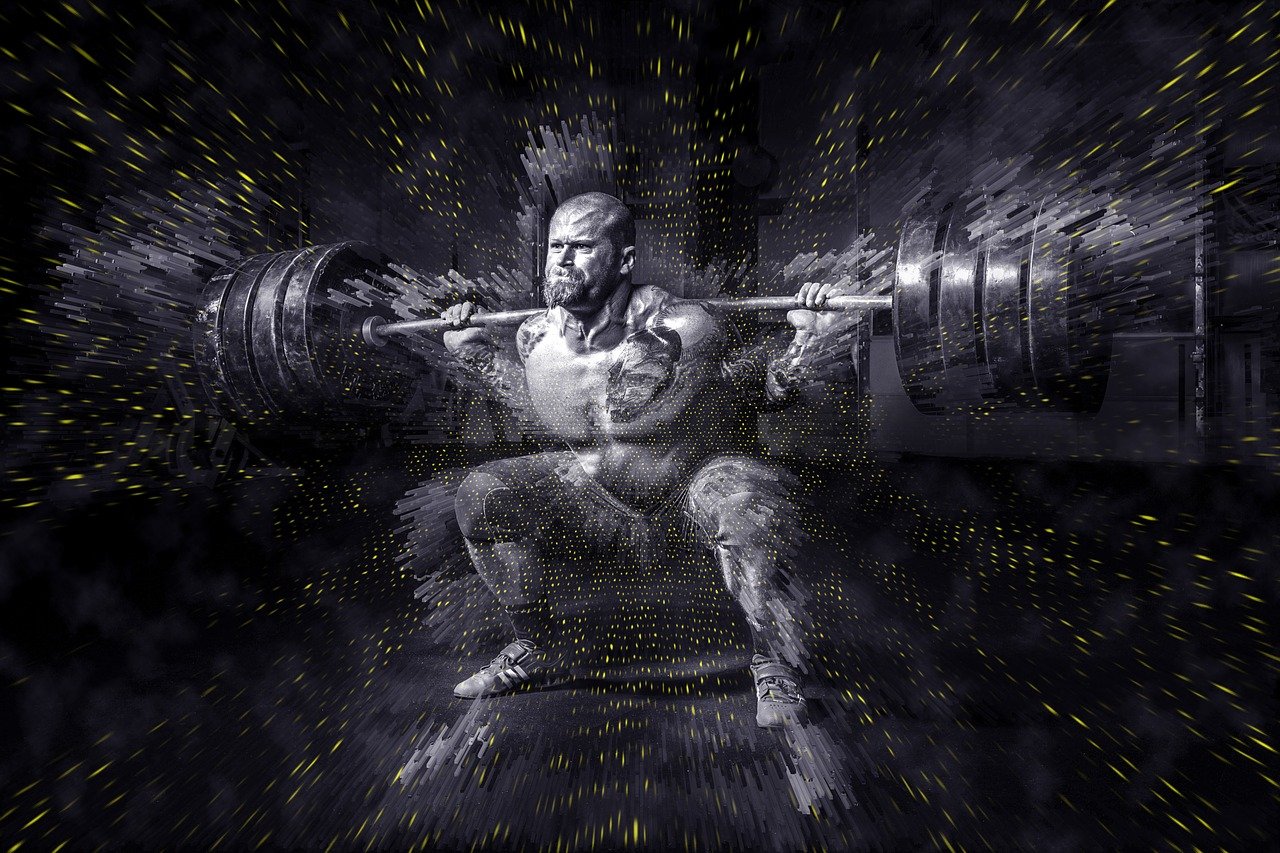

Calisthenics vs Weightlifting: Which Builds More Muscle?
When it comes to effective muscle building, calisthenics and weightlifting both have their merits. Calisthenics typically involves bodyweight exercises like push-ups, pull-ups, and dips. These exercises leverage one’s body weight for resistance, enhancing strength through functional movements. Weightlifting, on the other hand, incorporates external weights, such as dumbbells and barbells, allowing for targeted muscle growth through incremental resistance. While both methods can effectively build muscle, their approaches differ noticeably. Calisthenics often promotes better overall body coordination and mobility, while weightlifting provides opportunities for progressive overload, which is key to muscle hypertrophy. To determine which is superior, we need to evaluate each method’s effectiveness on muscle gain, injury risk, and lifestyle adaptability. Strength training enthusiasts may find weightlifting more structured while those who prefer gym-free workouts might lean towards calisthenics. Ultimately, your choice may come down to personal preference and fitness goals. It could be beneficial to incorporate both into a balanced fitness regimen, taking advantage of the unique benefits each possesses.
Before diving deeper, it’s essential to understand the mechanics of muscle building in the context of both calisthenics and weightlifting. Muscle growth occurs through a process known as hypertrophy, where muscles undergo damage during exercise and subsequently repair, growing larger in the process. Weightlifting enthusiasts often achieve hypertrophy faster due to the ability to continuously increase weights and focus on specific muscle groups. This method is highly effective for gaining mass and strength, with individuals often experiencing visible results relatively quickly. However, the approach can sometimes lead to injuries, especially when improper form is used. Calisthenics promotes a bodyweight-centric approach, emphasizing compound movements that engage multiple muscle groups. This aspect can reduce injury risk significantly because the reliance is on natural movement patterns. Furthermore, calisthenics can improve functional strength and flexibility, traits much desired in many sports. To summarize, while weightlifting caters to increased muscle size and strength through targeted workouts, calisthenics fosters overall fitness and resilience.
Mechanically, weight lifting focuses on isolated movements, effectively allowing targeted training of individual muscles. Exercises like squats target the quadriceps and glutes, while bench presses focus on the chest and triceps. By isolating muscle groups, one can push them further beyond their current limit using progressive overload effectively. This method is essential for increasing muscle volume and strength, particularly for bodybuilders. However, mastering multiple exercises and maintaining proper form can be challenging, especially for beginners. On the contrary, calisthenics emphasizes whole-body movements that often require greater core engagement, improving overall body synergy. Techniques such as pull-ups, planks, and push-ups enhance not only the primary muscle groups but also secondary ones like stabilizer muscles, which are often ignored in weightlifting routines. This engagement can lead to increased muscle endurance and functional strength. It’s worthwhile to analyze various exercises from both domains when constructing a fitness plan. Usual goals include growing muscle while maintaining ideal proportions, as well as enhancing overall strength and endurance.
Benefits and Downsides of Calisthenics
One crucial aspect to consider when analyzing calisthenics is the unique benefits and downsides associated with this training methodology. One significant advantage of calisthenics is the emphasis on mobility and flexibility. Many calisthenics workouts involve dynamic movements that improve joint health and range of motion. Furthermore, workouts can be performed anywhere, making them highly accessible. Another notable benefit is the lower risk of injury, particularly for those just starting their fitness journeys. However, it’s important to acknowledge some limitations. Progressive overload can be more challenging to achieve with calisthenics, as increasing resistance isn’t always straightforward. For instance, once a person can perform multiple repetitions of a specific exercise, it may be difficult to progress unless variations or alternative workouts are introduced. Consequently, some individuals may find overall muscle gains plateauing over time compared to weightlifting. It’s crucial to understand both the advantages and disadvantages to determine the best path for your fitness goals. In summary, calisthenics can build functional strength effectively yet comes with its inherent challenges.
When it comes to weightlifting, the benefits are invaluable for individuals aiming for muscle hypertrophy and defined strength. Many trainers incorporate resistance bands or cable machines, providing tailored resistance levels throughout each exercise. This adaptability is a primary reason weightlifting often excels in muscle building. Furthermore, as the awesome variety in equipment allows for an extensive range of exercises targeting specific muscle groups in precise ways, it creates endless opportunities for muscle growth. However, a significant downside is the emphasis on heavy lifting can lead to a higher risk of injury if not performed safely. Proper warm-ups and learning the correct lifting techniques are crucial. Additionally, weightlifting typically requires gym access, which may be a limiting factor for some. Those looking to build muscle without equipment may find calisthenics to be a more practical solution. Thus, both modalities have their unique advantages and challenges, making it vital for individuals to weigh their specific goals against their available resources when deciding between them. For maximum effectiveness, a combination of calisthenics and weightlifting may yield superior results.
Conclusion
In conclusion, both calisthenics and weightlifting offer unique benefits and perspectives on muscle building. Comprehensive strength training can be achieved through either method, depending on an individual’s fitness goals, preferences, and lifestyle. Weightlifting is generally more effective for rapid muscle hypertrophy due to the ability to easily implement progressive overload. However, calisthenics provides effective full-body workouts, emphasizing functional strength and endurance without requiring specialized space or equipment. Those who focus on aesthetics and muscle mass might favor weight training, while fitness enthusiasts who want a sustainable and adaptable routine may incorporate calisthenics into their program. In recent years, there’s been a noticeable trend toward hybrid training, combining both calisthenics and weightlifting, fostering a more rounded approach. Thus, striking a balance between these modalities may yield the optimal results for muscle building. To achieve long-term fitness success, it is essential to remain open-minded about integrating various training methodologies while considering the evolving landscape of personal health and fitness goals.
Ultimately, the choice between calisthenics and weightlifting is deeply personal. Factors such as lifestyle, accessibility, personal preferences, and goals play an essential role in determining which method aligns best with an individual’s vision of fitness. Whether you choose to explore dynamic bodyweight workouts or dive into weightlifting’s intricate world, remember that every fitness journey is unique. To begin assessing your preferences, consider experimenting with both styles to discover what resonates most with you. The versatility provided by each method allows individuals to adapt their training to suit their needs. Cultivating a custom regimen that combines aspects from both styles can also help break plateaus, reinvigorate your workouts, and maintain enthusiasm. As you embark on your fitness journey, share your experiences and progress with others, inspiring community engagement. Whatever combination you choose, a commitment to your health is what truly matters. So take those first steps toward achieving your fitness goals, whether through calisthenics, weightlifting, or a blend of both, and enjoy the journey.
For more insights on effective muscle building, check out related content resources such as nutrition strategies and exercise tips. Consistent knowledge and refining of techniques will promote better results when pursuing muscle growth. Incorporate rest days, focus on nutrition, and maintain hydration as supporting elements. This holistic approach will increase both physical and mental resilience, aiding long-term success. Alongside proper rest and nutrition, tracking your progress can boost motivation and highlight areas for improvement. Use smartphones and apps to document weights lifted, repetitions completed, or time on bodyweight exercises, so you maintain visibility on your goals. As you gain experience, revisit and analyze your routines to continually enhance your performance. Don’t forget the importance of self-care and recovery so that you remain engaged in your fitness journey. With focused efforts, you’ll discover the balance that suits your lifestyle best, leading you to desired and sustainable muscle growth. Both calisthenics and weightlifting require patience and dedication. Determine the right path for you, embrace the journey, and thrive in achieving your fitness aspirations.