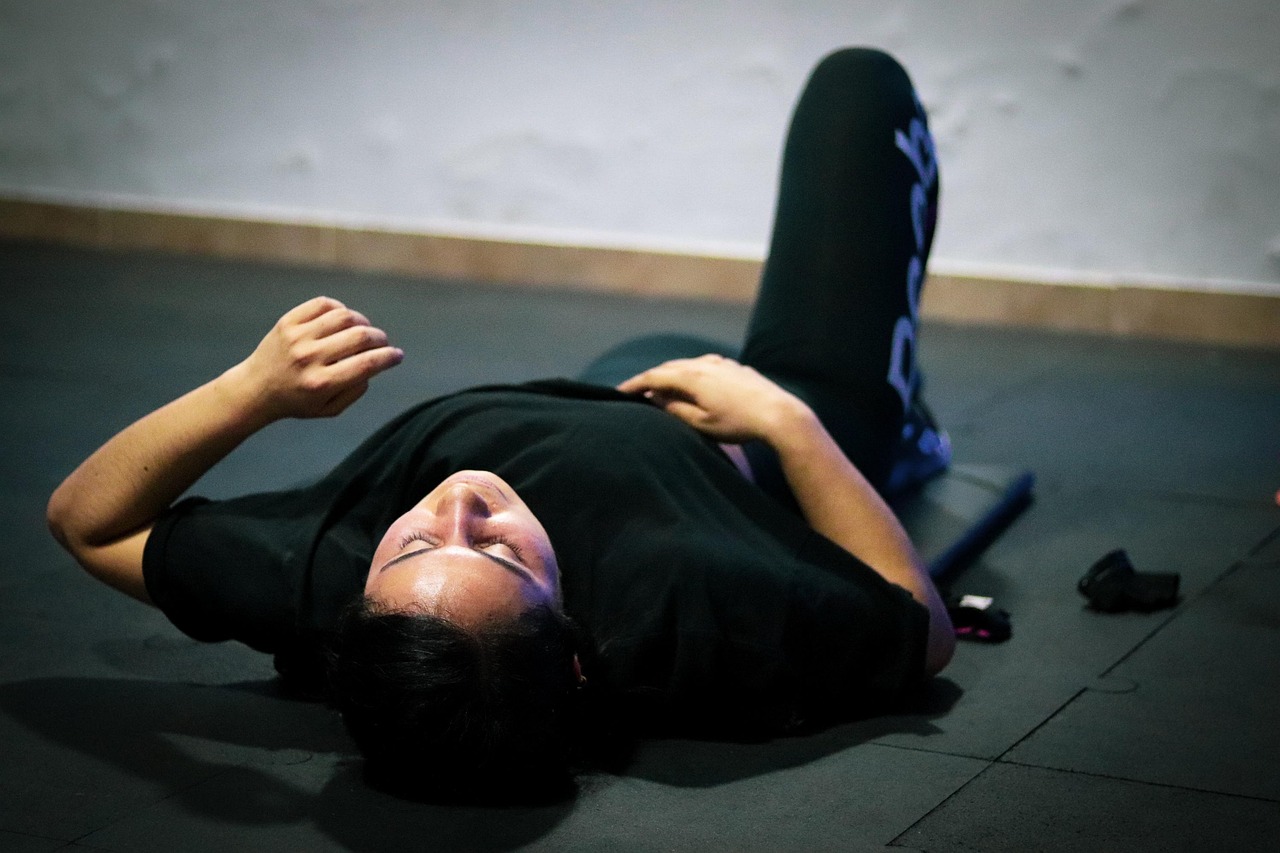

Golf Fitness: Core Stability for Injury Prevention and Recovery
Maintaining core stability is vital for golfers seeking peak performance and injury prevention. A well-developed core contributes to balance, strength, and coordination during the golf swing. Golfers who prioritize core workouts can achieve improved posture, enhance swing mechanics, and ultimately lower their scores. Core stability not only stabilizes the spine but also allows for powerful, controlled movement. These workouts often involve exercises targeting muscles in the abdomen, lower back, and hips, which are crucial for generating clubhead speed. By incorporating a variety of exercises focusing on both strength and endurance, golfers can enhance their stability. Furthermore, consistent training can result in improved muscle memory, making it easier to execute swings seamlessly under different conditions. Engaging the core even during practice swings emphasizes the importance of stabilization in achieving better results on the course. Without a strong core, golfers are more susceptible to injuries like strains and imbalances that can impede their performance. Thus, building core strength should become an integral part of any golfer’s fitness regimen to ensure they can play at their best consistently.
Core stability workouts for golfers often include various exercises to target and strengthen key muscle groups. Popular routines may feature planks, dead bugs, and Russian twists, aiming to enhance overall stability and control. Each of these exercises helps build both strength and endurance. Planks, either standard or side variations, focus on the abdominal muscles and help protect the lower back. Dead bugs specifically engage the core while coordinating movement of the limbs, promoting stability throughout the body. Russian twists integrate balance and rotational strength, essential for an effective swing. Additionally, resistance bands and medicine balls can add variety to standard exercises, enhancing their effectiveness. Consistency in these workouts is essential, aiming for at least two to three sessions weekly to see improved results. As golfers progress, increasing resistance or complexity in exercises can help continuously challenge the core muscles, preventing plateaus and fostering growth. Moreover, it’s essential for golfers to listen to their bodies, allowing for adequate rest and recovery. Proper recovery can also include stretching and mobility work, which complements core stability training well, ensuring that the body remains flexible.
The Importance of Balance
In the game of golf, balance plays a critical role in ensuring optimal performance. Without balance, even the most skilled golfer may struggle to achieve precise shots. Core workouts focused on stability can greatly enhance balance, leading to improved consistency in swings and putts. Exercises that challenge balance, such as single-leg lifts or stability ball exercises, promote proprioception which is vital for maintaining stability. Better balance allows golfers to have smoother transitions throughout their swings, contributing to an overall improvement. With enhanced balance from core stability work, golfers can generate more power without sacrificing control. This means achieving distance off the tee while still being able to accurately place approach shots. Additionally, practicing balance can also lower the risk of injuries, as a well-balanced player retains the ability to position their body correctly. Challenging balance through various exercises not only improves golf performance but also translates into daily activities, promoting efficient movement patterns. Incorporating balance challenges in core routines helps golfers fine-tune their skills, making these exercises an essential part of golf fitness programs.
Incorporating flexibility training into core stability workouts can dramatically benefit golfers. Flexibility allows for a better range of motion, which is crucial when executing a full swing. Stretches targeting the hips, torso, and arms can enhance mobility and improve swing mechanics. Golfers who possess good flexibility may achieve deeper rotations and greater extension through their swings, resulting in improved accuracy and distance. Dynamic stretches, such as torso twists and hip openers, are excellent for warming up before rounds or practice sessions, promoting blood flow and ensuring muscles are primed for performance. On the other hand, static stretching should be included during cool-down routines to help maintain flexibility. Exercises like standing quadriceps stretches or seated hamstring stretches can help elongate the muscles worked during swings. Moreover, yoga can be an excellent practice to enhance both flexibility and core strength in a holistic manner. Many postures focus on core engagement, balance, and flexibility simultaneously. This integrated approach will not only benefit golfers on the course but can also improve overall well-being through stress relief and increased body awareness. Consistently implementing flexibility training can significantly contribute to injury prevention as well.
Common Core Stability Exercises
There are several effective core stability exercises that golfers should consider implementing regularly. One classic exercise is the plank, where golfers maintain a straight body position, engaging the core muscles, while challenging arm and shoulder stability. Variants of the plank, such as the side plank, add an element of rotation that is beneficial for the golf swing. Another great exercise is the bird dog, where the individual extends opposite limbs while maintaining stability through the core. This not only builds strength but also improves coordination. Additionally, the dead bug exercise offers an effective way to engage the core while focusing on limb coordination, which is crucial in swing execution. Lastly, traditional exercises like Russian twists can add a rotational element that mirrors the golf swing’s dynamics, further enhancing functional strength. Utilizing these exercises, golfers can target multiple muscle groups effectively while focusing on core engagement. Consistency in performing these workouts can translate into improved performance on the course, with better control over swings and greater strength. Ensuring proper form during these exercises is essential to maximize benefits and prevent injury.
To maximize the benefits of core stability workouts, golfers should consider their overall fitness goals. Focused training should align with individual needs, as some may need more core strength while others may benefit from flexibility or endurance exercises. Tracking progress through performance metrics like improved swing speed or reduced score can provide motivation. Engaging a fitness professional with experience in golf fitness can help structure a well-rounded program targeting specific areas whilst ensuring exercises are performed correctly. Additionally, individuals can create a balanced training schedule that incorporates strength, stability, and flexibility work, promoting a more holistic approach to fitness. Engaging in cross-training activities such as swimming or cycling can also enhance core stability, as these activities engage multiple muscle groups simultaneously. Maintaining a balanced diet that supports energy levels for workouts is also crucial for consistent performance on the course. Hydration remains essential to promote optimal function during workouts and play. By considering these factors and monitoring progress, golfers can rely on a comprehensive approach to core stability work tailored for their objectives, promoting long-term success and resilience on the golf course.
Conclusion
In conclusion, the significance of core stability for golfers cannot be overstated. Strong, stable cores contribute to improved swing mechanics, better balance, and enhanced overall performance. By employing a variety of core stability exercises, golfers can reduce the risk of injury, promoting longevity in the sport. Most importantly, incorporating core stability work into fitness regimens should not be overlooked; it is a vital part of golf training. Engaging certified trainers or following structured programs can ensure that workouts are effective and safe. Remember, maintaining core strength is an investment in every golfer’s performance, and consistency is paramount for success on the course. Additionally, integration of flexibility and balance training into core workouts further enhances overall golf fitness, contributing to better results when it counts. By prioritizing core stability, golfers create a solid foundation, optimizing their swings and improving on-course performance. As fitness routines evolve, the implementation of core work continues to prove its effectiveness in the realm of golf. When golfers balance strength, flexibility, and stability, the outcome is a comprehensive approach yielding progressive improvements in every aspect of their game.
Ultimately, taking the time to focus on core stability is beneficial for golfers at all levels. Whether you’re an amateur just starting or a seasoned professional, these exercises are key to your success. Commit to incorporating core stability workouts into your routine, alongside regular practice sessions. As you continue to strengthen your core, watch how it positively impacts your game, from driving accuracy to putting performance.