
How Inline Skating Gear Has Evolved Over the Past Decade
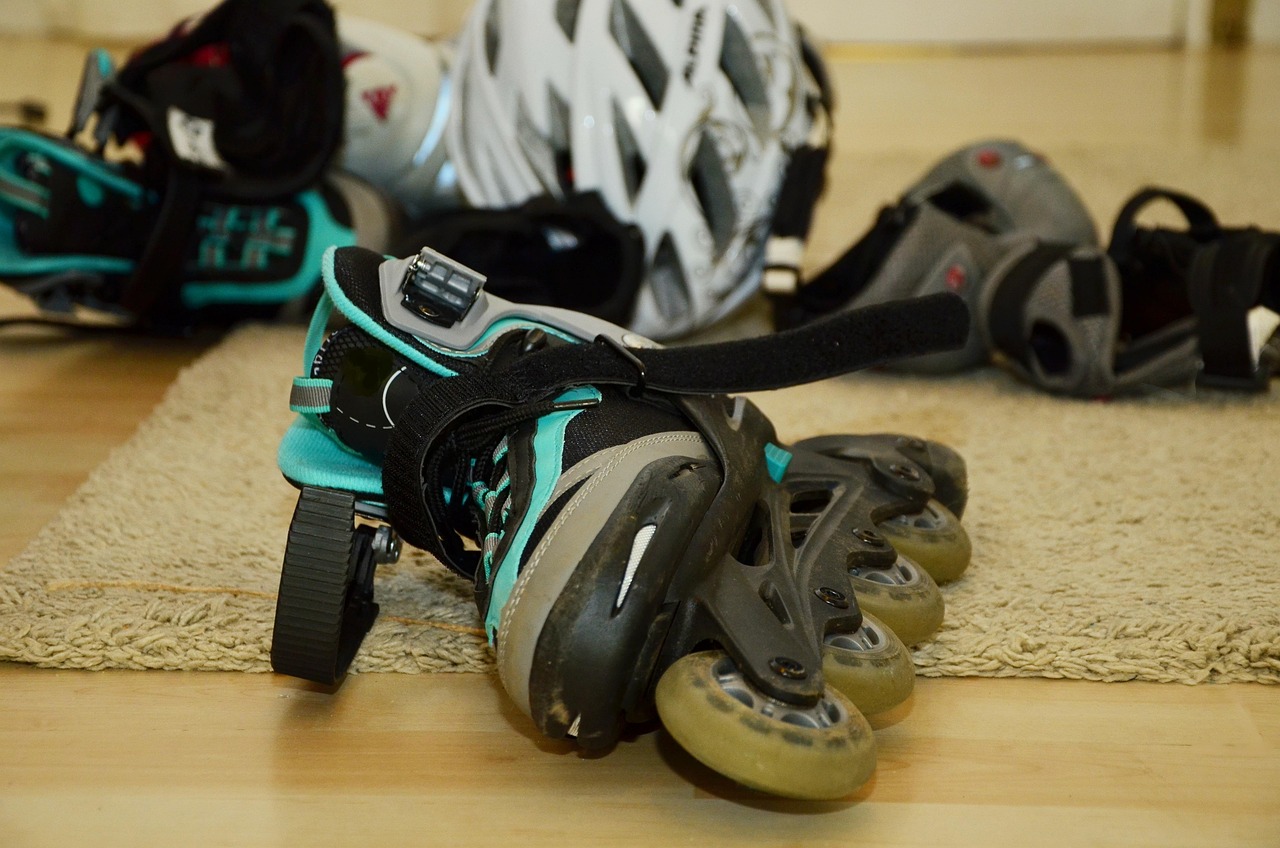
In the past ten years, inline skating gear has seen significant advancements in terms of safety and performance. Inline skates now come with enhanced materials, offering better support and durability compared to older models. Not just the skates themselves, but the protective gear has also undergone a transformation, making skating safer and more enjoyable. Major brands have released innovative designs that cater to various skill levels and types of skating, from recreational to aggressive skating. Notably, the integration of breathable fabrics and moisture-wicking technology into protective gear improves comfort, especially during longer sessions. This evolution includes helmet designs that offer improved aerodynamics and ventilation. Additionally, the widespread adoption of technology has led to the production of personalized gear options, allowing skaters to choose colors and styles that resonate with their identity. Online retailers have made it easier to access a wide variety of equipment and gear, along with detailed customer reviews. This access allows skaters to compare and select the best products for their needs. These factors combined have contributed to a booming inline skating culture, attracting new enthusiasts to the sport.
The emergence of innovative safety gear has played a crucial role in the evolution of inline skating gear. Many manufacturers now focus on creating lightweight materials that maintain safety standards without adding unnecessary weight. Helmets with multi-directional impact protection systems have become standard, effectively reducing the risk of head injuries. Additionally, knee and elbow pads are now designed with molded shells and breathable lining, ensuring maximum comfort while maintaining robustness. Skaters can choose gear that conforms to their movement style, helping to avoid injuries. Moreover, protective gear is now often designed to be more aesthetically pleasing, allowing skaters to blend style with functionality. For beginners, introductory gear packages that include skates, helmets, and pads have become readily available. These packages not only save money but also simplify the purchasing process. Skating schools and clubs are also promoting the use of proper safety gear, encouraging a culture of safety among newcomers. As a result, skaters are now more informed about the importance of wearing protective gear, contributing to the overall growth of the sport in a responsible manner. This collective effort ensures better risk management for all inline skaters.
Material Innovations
Advancements in material technology have also significantly influenced inline skating gear development. Skates are primarily made from high-performance composite materials that enhance durability while minimizing weight. Carbon fiber construction has become increasingly popular among professional skaters, providing an ideal balance between stiffness and flex. Furthermore, the introduction of synthetic leathers offers superior abrasion resistance, ensuring that skates withstand daily wear and tear. Inline bearings have also evolved, with manufacturers focusing on precision engineering to create smoother rides with less friction. Elements like sealed bearings have gained traction, preventing debris and moisture from degrading performance. Notably, the wheels have witnessed significant changes, with urethane becoming the standard for its responsiveness and longevity. Different hardness ratings cater to various skating conditions, whether it’s for street or rink skating. Each innovation contributes to a more enjoyable and safer skating experience, allowing skaters to perform at their best. Additionally, customization options for wheels, bearings, and skate frames have expanded, enabling skaters to fine-tune their equipment to meet individual preferences. These innovations not only improve performance but also encourage personal expression in the sport.
As trends continue to shape the world of inline skating, fashion has also started to play a more prominent role. Skate brands incorporate stylish elements into their product designs, appealing to a broader audience that values aesthetics along with performance. Inline skating gear is no longer just functional; it is also a form of self-expression. From vibrant color combinations to graphic patterns, skaters can express their personal style through their choice of gear. Fashion collaborations with popular influencers have also emerged, bringing a new level of excitement to the sport. This influence has sparked interest among younger generations, compelling them to try inline skating as a fun and fashionable activity. Social media platforms have acted as catalysts for this evolution, showcasing skaters wearing trendy gear in dynamic environments. As a result, skaters are not only motivated by performance but also by the desire to look good while practicing their sport. Inline skating events and competitions have embraced these trends too, where style can be as crucial as skill. This combination of fashion with inline skating creates a vibrant community and culture around the sport.
Environmental Considerations
In recent years, there has been a growing awareness of environmental issues, influencing the inline skating gear industry. Many manufacturers are adopting eco-friendly practices, opting for sustainable materials in their products. This includes using recycled plastics and biodegradable components in skate construction and protective gear. Brands that fail to recognize these shifting consumer preferences risk losing market share as more eco-conscious individuals seek sustainable products. Additionally, some companies are investing in ethical production methods, ensuring fair labor practices throughout their supply chains. The emerging trend towards sustainability is evident not just in the materials used, but also in marketing strategies that highlight a brand’s commitment to protecting the environment. Inline skating gear produced in a sustainable manner not only appeals to an ethical consumer base but also contributes to a cleaner planet. More skaters are motivated to understand the environmental impact of their choices and opt for brands that reflect their values. This shift towards sustainability aids in creating a positive image for the inline skating community.
The rise of online shopping has significantly impacted how skaters acquire their gear. With a few clicks, skaters can compare reviews, prices, and features of various products, making informed decisions on purchases much more manageable. The convenience of online shopping also means skaters can access hard-to-find or specialized gear without the limitations of location. This accessibility extends to custom gear options and upgrades that were previously only available in specialized shops. Moreover, online platforms often provide expert advice through tutorials and reviews, enhancing customer education. Many skater forums and communities exist online, allowing enthusiasts to share experiences, tips, and gear recommendations. This collaborative approach arms skaters with valuable insights that can help them find the ideal equipment for their needs. Additionally, social media has created a platform for brands to engage with consumers directly, fostering a sense of community and transparency. By participating in discussions about new trends and gear, manufacturers can respond quickly to consumer demands. This dynamic helps ensure that new developments align with the evolving preferences of inline skaters, encouraging a continuous cycle of innovation.
Future Trends in Inline Skating Gear
Looking ahead, the future of inline skating gear is poised for even greater innovation. As technology continues to advance, we can expect smarter gear that incorporates performance-tracking devices and integrated safety features. Wearable technology such as smart helmets or skates could monitor vital statistics and alert skaters of potential hazards. This added layer of safety will likely appeal to both beginners and experienced skaters, creating more engagement across various skill levels. The integration of augmented reality (AR) into training tools may also pave the way for enhanced learning experiences. Brands are likely to collaborate with tech companies to push boundaries further in designing interactive gear that resonates with younger generations. Similarly, trends in customization will further empower skaters, allowing them to fully personalize their gear to suit individual tastes. As inline skating continues to gain popularity, manufacturers will likely invest in creating gear that reflects the fusion of style, safety, and high performance. The growth in urban skating parks and organized events also presents a new frontier for gear development tailored specifically for various skating environments.
In conclusion, the evolution of inline skating gear over the past decade has revolutionized the sport, making it safer and more accessible. The combination of innovative materials, advancements in technology, and an emphasis on style has shaped the current market. Skating has transitioned from being a niche activity to a popular and trendy lifestyle choice, attracting diverse participants. The push for sustainability and ethical practices in the industry reflects a broader societal change toward environmental responsibility. As inline skating continues to grow, staying attuned to emerging trends and consumer preferences will be vital for manufacturers. This commitment to improvement not only fosters safety but also enhances the overall skating experience, allowing skaters to fully enjoy their passion. In this continually evolving landscape, skaters can take pride in the advances made in gear designed to protect and propel them. The next decade promises even more exciting changes and innovations in inline skating gear, ensuring a vibrant future for this exhilarating sport.