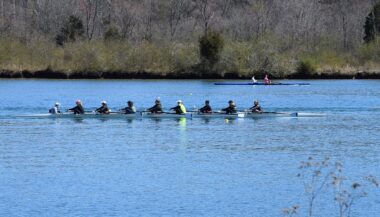

Sculling for Fitness: An All-Around Workout
Sculling, a popular form of rowing, offers a fantastic way to achieve a full-body workout. It involves using two oars, one in each hand, which allows for greater balance and synchronization. This technique engages multiple muscle groups including the core, legs, and arms. Beginners can find sculling beneficial as it helps develop proper rowing mechanics. More experienced rowers appreciate the fine-tuning of their technique which sculling demands. The workout engages the cardiovascular system by requiring sustained effort over time, giving heart and lung benefits. Incorporating sculling into your fitness routine can lead to improved strength alongside enhanced endurance. Regular practice can significantly boost your overall fitness level. Not only does sculling offer physical benefits, it also provides mental clarity. Immersed in nature while gliding over water is refreshing and uplifting. Join a local rowing club to experience sculling firsthand; you’ll find camaraderie among fellow fitness enthusiasts. Another advantage is that sculling can be done solo or in teams, allowing for flexible workout options. It is versatile and suits various fitness levels, making it an excellent choice for anyone looking to enhance their health through enjoyable activities.
Physical Benefits of Sculling
When examining the physical benefits of sculling, one can note remarkable enhancements to strength and balance. Because sculling requires pulling against resistance from the water, rowers develop muscle tone and definition. Furthermore, the engaging core workout additionally stabilizes the body throughout the movements. Unlike many high-impact sports, rowing is low-impact and suitable for various age groups—an attractive feature for individuals with joint concerns. As sculling relies heavily on leg power, you build stamina while improving flexibility, which many struggle to maintain throughout adult life. Not only does this activity help with balance, but it also tones the back and arms. Sculling is unique as it promotes the development of a strong and powerful muscle system without the risk of overexertion. Working through various drills promotes skill refinement through constant adjustment and learning, fostering greater overall fitness levels. With committed practice, individuals can elevate their rowing skills in local competitions or social events. Scullers often find themselves competing with friends in a fun yet challenging environment. The combination of cardiovascular exercise paired with muscular strength training makes sculling an exceptional workout choice.
Many people are initially puzzled by the comparison between sculling and sweep rowing. Sculling, as mentioned, utilizes two oars, creating a unique rhythm and balance for the rower. Sweep rowing, in contrast, employs a single oar and revolves around a different rowing technique. In this discipline, athletes must work together seamlessly, a challenge that can lead to thrilling camaraderie and team spirit. Some argue that sculling offers a more diverse workout experience, as it stimulates muscle groups differently than sweep rowing. While both sporting styles enhance strength and endurance, sculling builds symmetry and coordination more effectively. It’s worth trying both rowing styles to determine personal preferences and gauge which suits you the best. Exploring local clubs or equipment rental shops facilitates this exploration. Many beginner classes cover both styles providing well-rounded introductory experiences. Joining a class fosters a supportive community atmosphere, where individuals share insights and recommendations. By engaging with others, members can learn teamwork and develop their skills while enjoying the outdoors. No matter which style you favor, rowing remains a fantastic total body workout that promotes lifelong health and fitness.
Technique and Form
Proper technique is essential in sculling to maximize benefits and minimize injury risks. Key elements of good form include maintaining a straight back and a strong core. As rowers engage their legs to push off, maintaining a firm grip on the oars ensures effectiveness. This repetition not only strengthens the arms but also reinforces the connection between upper and lower body. Regularly practicing drills focused on perfecting movement can greatly enhance stroke fluidity. Rowers should aim for smooth transitions, employing a rhythm that allows them to engage muscles while maintaining endurance. Timing and coordination are crucial; hence, working with experienced instructors is highly beneficial. They can provide tailored advice and tips for improving your overall rowing experience. Visualization techniques can aid those learning proper form, supplementing hands-on instruction. Watching experienced scullers can also provide insights into how one should maneuver the boat correctly. Strength training outside of the water can enhance specific muscle groups, governing preferred rowing patterns while increasing functional strength overall. Remember to cool down after every session to prevent soreness and promote flexible muscle recovery. This is vital for long-lasting participation in the sport.
Sculling can be a social sport, promoting connection and teamwork among participants. Engaging in group practices offers a shared learning environment where tips and experiences can be exchanged. Friendships often develop during training, as shared goals foster bonding between athletes. Local clubs often arrange races or challenges that can be exciting competitive events, strengthening community ties. Besides racing, social events help create excitement and enthusiasm for sculling within broader local populations. Participants can organize fun events, joining together in celebration of their passion for the sport, introducing newcomers to rowing culture. Notably, mixed rowing teams can encourage a diverse mix of individuals, expanding relationships and enhancing experiences. Events may also feature guest speakers and demonstrations showcasing other aspects of the rowing lifestyle. Incorporating social elements makes sculling more enjoyable while keeping individuals motivated in their fitness journey. For many, having a strong support system promotes consistent participation. Consequently, sculling becomes more than just a workout; it evolves into a lifestyle that invites lifelong fitness enthusiasts. Engaging in this sport can lead to lasting friendships and connections that might not have been found otherwise.
Setting Goals with Sculling
Setting goals in sculling provides focus and motivation, pushing athletes towards improvement. Whether it’s aiming to enhance technique or increasing stamina, refining clear objectives is essential. Establishing short- and long-term goals creates a roadmap in the competitive rowing landscape. Joining competitions can provide excellent benchmarks, allowing rowers to measure progress and set new challenges. At the same time, working consistently on specific skills can greatly enhance performance. Taking advantage of local events can both inspire and challenge participants while providing a platform for personal growth. Engaging in practice alongside like-minded individuals fosters a sense of accountability, encouraging each other to achieve their best. Beginners aiming to attain fitness milestones can also trace their advancements more easily when mentors or coaches are involved. Regular assessments of individual performance can lead to identifying strengths and areas for improvement. Reflecting upon those elements builds a comprehensive understanding of your unique rowing style. Furthermore, maintaining a training journal helps keep track of progress, comparing past results. Committing to a structured regimen will yield significant improvements, making goal-setting an integral aspect of sculling for fitness.
In conclusion, sculling serves as an exceptional workout that combines strength training, cardiovascular exercise, and community engagement, making it an ideal fitness choice. Unique in its use of two oars, sculling builds balance and coordination while delivering engaging muscle development. The combination of relaxation through nature and the thrill of competition supports mental stimulation as well. Various opportunities for participation are available whether through clubs or social events. Mental health benefits arise when individuals engage in activities they enjoy, leading to a positive outlook toward physical fitness. It is essential for everyone to explore rowing as a potential addition to their workout routine. Locating resources for further knowledge will enhance understanding and proficiency. Those interested can easily find workout plans, videos, and tutorials, all of which contribute to developing sculling skills. Ultimately, sculling provides enriching experiences which can lead to remarkable health benefits. This exceptional sport holds unparalleled opportunities for personal growth and development while maintaining enjoyment. With consistent participation, individuals are rewarded not only with the physical properties of muscle training but also with friendships and community bonds that last well beyond the water.