
Imaging-Guided Biomechanical Interventions in Sports Medicine
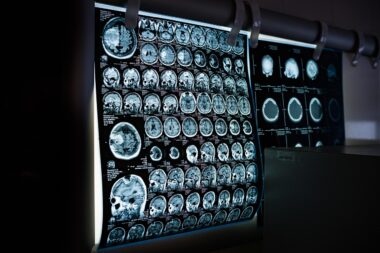
Biomechanics plays a pivotal role in advancing sports medicine through the implementation of imaging techniques. Techniques such as MRI, CT, and ultrasound provide detailed visualizations of anatomical structures, facilitating a deeper understanding of injuries and movement patterns. The integration of these imaging modalities into clinical practice enables practitioners to tailor interventions based on individual athlete needs. For instance, MRI can uncover soft tissue injuries, which may not be apparent in physical examinations. Further, imaging can assist in evaluating the effectiveness of rehabilitation protocols, guiding adjustments in treatment plans. Imaging also allows for dynamic assessments of biomechanics under athletic conditions. Such insights empower sports professionals to develop targeted strategies, enhancing athlete performance and minimizing injury risks. Additionally, these sophisticated tools foster interdisciplinary collaboration between radiologists and sports medicine specialists. This collaboration optimizes patient outcomes through multidisciplinary approaches to treatment. As imaging technology continues to evolve, its implications for biomechanics promise innovative directions in athletic care. The future of sports medicine increasingly hinges on effective utilization of imaging-guided biomechanical interventions, signifying a shift towards more personalized and evidence-based practices.
One of the most significant contributions of imaging techniques in sports medicine is the ability to monitor injury progression and recovery. Through regular assessments using MRI or ultrasound, practitioners can observe changes in tissue healing, thereby adjusting rehabilitation protocols effectively. This ongoing monitoring ensures that athletes receive optimal care, reducing their time away from competition. Furthermore, imaging helps in understanding the biomechanics of various sports activities. For example, 3D motion analysis combined with imaging allows for a detailed evaluation of an athlete’s kinematic profile, identifying movement deficiencies and potential risk factors for injury. This level of insight is crucial for designing sport-specific training regimens. Moreover, quantitative imaging biomarkers can provide objective data on performance metrics, influencing coaching strategies. Another advance includes the utilization of biomechanical modeling and simulation along with imaging data. These techniques aid in predicting injury risks by analyzing athlete-specific movement patterns. When integrated, these insights contribute to a holistic approach in managing athletic health and well-being. In summary, the combination of advanced imaging with biomechanical analysis represents a dynamic force in shaping the future of sports medicine, ultimately enhancing athlete performance and longevity.
Integration of Imaging Techniques in Biomechanics
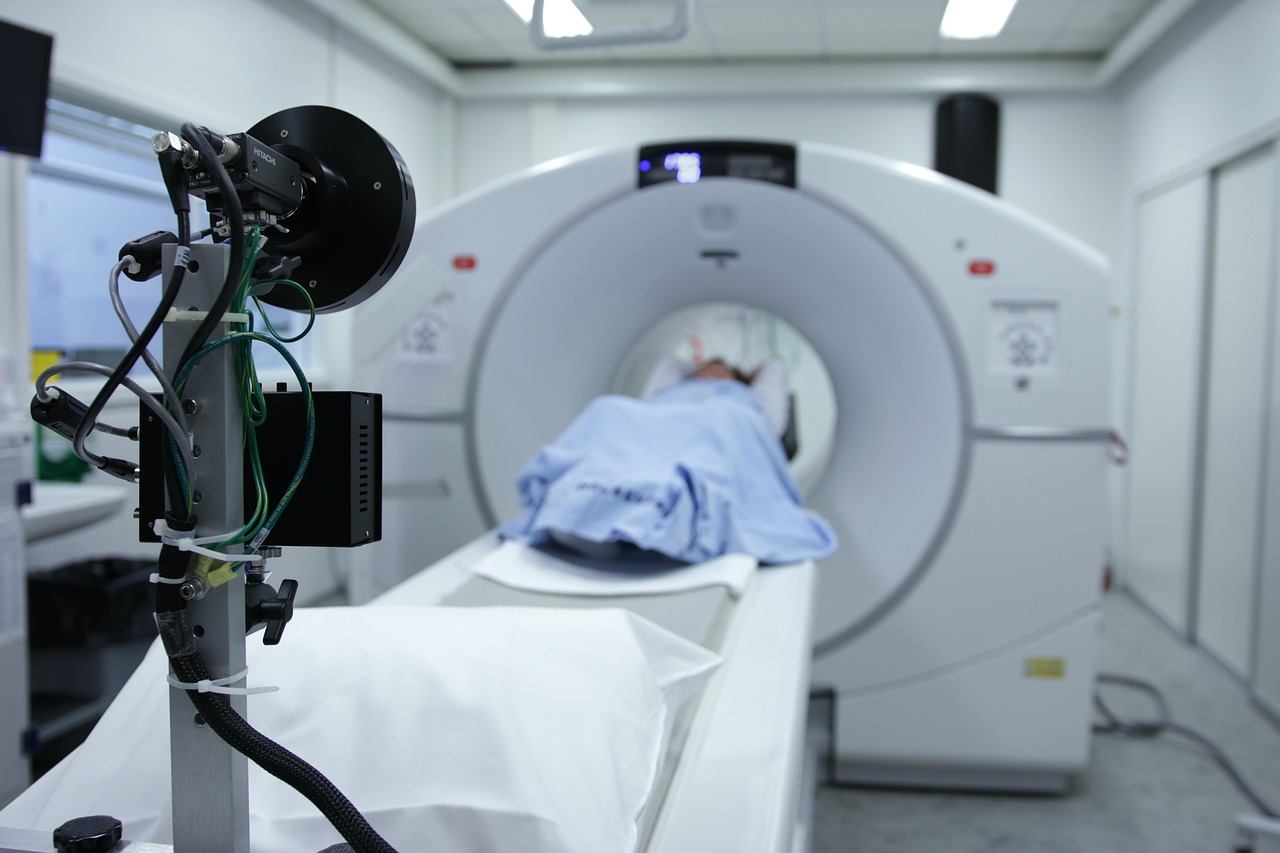
Integrating various imaging modalities in biomechanics has revolutionized how sports injuries are assessed and treated. CT scans, for instance, offer intricate details about bone structures and potentially stress fractures, which are common in high-impact sports. Despite providing significant information, CT scans come with considerations regarding radiation exposure, making their use a balance between necessity and safety. Conversely, MRI provides comprehensive soft tissue visualization and poses no risk of ionizing radiation, making it preferable for many sports injuries. However, its limitations include longer scanning times and higher costs. Ultrasound, being a portable and real-time modality, allows for immediate assessment of muscle tears or tendon conditions, providing rapid feedback for clinicians. The continuous evolution of imaging technologies, including functional MRI and advanced ultrasound techniques, further enhances the understanding of biomechanics. Incorporating these sophisticated modalities empowers practitioners to establish more effective treatment plans and preventive strategies tailored to individual athletes. This adaptability is essential for addressing the unique physical demands athletes face during training and competition. Hence, the integration of imaging technologies continues to shape the clinical landscape of sports medicine, enabling precise biomechanical interventions that optimize recovery and performance.
Another vital aspect of imaging-guided interventions includes data analytics and machine learning. By combining imaging data with performance metrics, machine learning algorithms can identify complex patterns associated with injury risks. These evolving analytical techniques not only enhance diagnostic accuracy but also inform personalized injury prevention strategies. For example, algorithms can analyze an athlete’s movement patterns captured through imaging to predict likely points of injury during specific sports activities. Such insights allow for individualized training programs that focus on reducing strain on vulnerable areas. Furthermore, the continuous growth of telemedicine opens avenues for remotely monitoring athletes through imaging technologies. This approach can bridge the gap between practitioners and athletes, providing timely interventions and support. Overall, incorporating data analytics into imaging greatly enhances the understanding of biomechanical factors influencing athletic performance. This turns imaging from a mere diagnostic tool into a comprehensive part of proactive athletic management. As these technologies mature, they promise to drastically reshape the landscape of sports medicine and athlete care, promoting safety, efficiency, and long-term wellness.
Future Perspectives in Imaging and Biomechanics
Looking ahead, the future of imaging techniques in biomechanics is poised for innovative advancements that may redefine sports medicine practices. The development of wearable imaging devices promises to gather real-time biomechanics data during athletic performance. As these technologies become more accessible and affordable, they may revolutionize monitoring techniques and injury prevention frameworks. Moreover, advancements in imaging resolution and speed could further enhance diagnostic capabilities, allowing practitioners to detect subtle injuries earlier and more accurately. Such improvements can significantly impact the rehabilitation process, enabling athletes to return to competition sooner and with less risk of re-injury. Also, the incorporation of virtual reality and augmented reality into imaging will offer immersive training scenarios, allowing athletes to visualize biomechanics in their sport. This engagement could enhance learning and facilitate better movement pattern corrections. Furthermore, growing interdisciplinary research linking biomechanics, imaging, and physiology suggests emerging avenues for personalized training programs. By continuing to harness technological innovation, the scope of imaging-guided biomechanical interventions will only expand, leading to improved athlete outcomes. Ultimately, these advancements signify a promising horizon for sports medicine, wherein imaging becomes increasingly integral to athlete health and performance enhancement.
However, as with any technological advances, challenges must also be acknowledged and addressed. The ethical implications of extensive imaging use in sports are considerable, especially regarding data privacy and athlete consent. As imaging technologies evolve, protecting athletes’ private health information should remain paramount. Additionally, there must be careful consideration regarding over-reliance on imaging data, which could inadvertently lead to unnecessary interventions. Educating sports practitioners on the appropriate use of imaging is vital to ensuring that clinical decisions are sound and based on a holistic assessment of the athlete’s needs. Moreover, accessibility to advanced imaging technologies remains uneven across different sports and regions, potentially widening the gap in athlete care. Professional organizations should prioritize advocating for equitable access to imaging resources, ensuring all athletes benefit from advancements in sports medicine. Finally, ongoing research is necessary to determine the long-term impacts of imaging-guided interventions on athlete performance and health. By addressing these challenges, the field can continue to promote safe and effective practices that support athletes’ well-being while fostering longevity in their careers.
Conclusion
In conclusion, imaging-guided biomechanical interventions are transforming sports medicine, offering unprecedented insights into athlete health. Through various imaging modalities, practitioners can assess injuries, monitor healing, and customize rehabilitation protocols, improving outcomes for athletes across all levels. The future of this integration looks promising, with advancements in technology set to enhance the precision of biomechanical assessments and treatment strategies. As imaging continues to play an integral role, its capacity to inform preventive care will be invaluable, positioning biomechanics at the forefront of athletic performance enhancement. Nevertheless, addressing ethical concerns, data privacy, and equitable access remains critical for the responsible implementation of imaging techniques. Overall, collective efforts in research, education, and collaboration among sports medicine professionals will ensure the continuous evolution of imaging-guided interventions. As we embrace these innovations, the ultimate goal should enhance athlete safety and performance while minimizing injury occurrences without compromising care quality. Therefore, the interplay between technology, data, and biomechanics is essential for advancing sports medicine towards a future characterized by proactive and personalized athlete management.