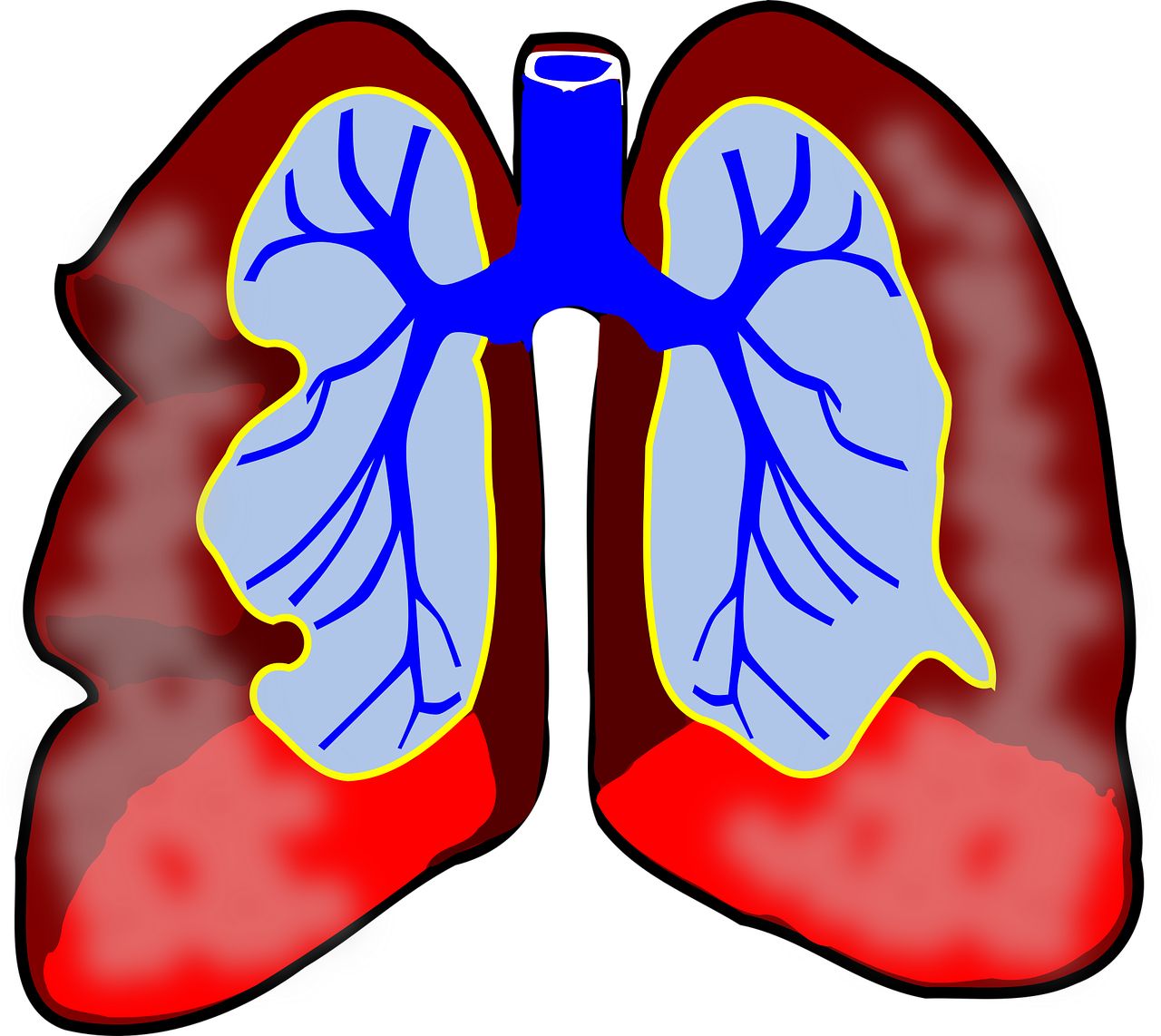

Impact of Environmental Factors on Respiratory Physiology in Athletes
The respiratory system is critical for athletic performance, influencing how athletes can sustain activity. Various environmental factors can significantly impact respiratory physiology, including altitude, temperature, humidity, and air quality. At higher altitudes, the lower oxygen levels can pose a challenge, requiring athletes to adapt their respiratory rates to optimize oxygen uptake. Increased altitude often leads to increased breathing frequency and depth as the body attempts to compensate for this deficiency. Training in these conditions may yield benefits for endurance sports by promoting physiological adaptations, enhancing oxygen delivery systems. Additionally, extreme temperatures can influence respiratory effectiveness, where high heat combined with humidity can lead to metabolic changes. This affects how athletes handle workouts during peak heat. Conversely, cold air can irritate the airways, potentially leading to bronchoconstriction, affecting performance levels. Moreover, air quality, including pollutants like smoke or allergens, can significantly impair respiratory function, decreasing overall exercise capacity and increasing respiratory distress. It becomes essential for athletes to be aware of these factors when planning training and competition schedules, as they consider strategies to safeguard and optimize their respiratory health.
One major environmental factor affecting respiratory physiology in athletes is temperature. Hot and humid environments can lead to heat stress, which may compromise athletes’ performance. In these conditions, the body has to work harder not only to perform physical activities but also to maintain appropriate core temperatures. The increased respiratory rate can occur as the body seeks to dissipate heat through evaporative cooling. Conversely, exercise in cold environments can induce bronchoconstriction, narrowing the airways and making it more difficult to breathe. This response can hinder oxygen uptake and therefore athlete performance. Cold dry air can irritate the respiratory tract, which may cause discomfort and can potentially limit training effectiveness during prolonged exposures. Moreover, temperature variations can also affect the viscosity of mucus in the airways, altering mucociliary function and clearance. Athletes should consider acclimatization strategies for environmental conditions during training, whether in hot or cold conditions, to prepare their respiratory systems. This enables them to mitigate adverse effects and perform to the best of their capabilities in varying climates. Understanding the interactions between temperature and respiratory function is crucial for optimizing athletic performance.
Effects of Humidity on Respiratory Performance
Humidity levels can significantly affect respiratory performance among athletes. High humidity can lead to increased moisture content in the air, which may create a sensation of heaviness while breathing. This sensation can deter athletes from pushing their limits during training and competition. The impact of humidity on pulmonary ventilation is particularly salient in endurance sports where maintaining optimal performance over extended periods is key. Consequently, athletes may notice an increased perception of effort due to the struggle to ventilate under high humidity. This can translate into decreased performance levels and an increased risk of heat-related illnesses, which compound the resulting ventilation challenges. On the contrary, very low humidity can dry out the airways, resulting in irritation and inflammation. Ensuring hydration becomes essential for athletes working in various environmental conditions, as proper fluid intake supports airway moisture and optimal function. Additionally, it’s critical to become familiar with local climate conditions, adjusting training regimens accordingly. Engaging in conditioning specific to the prevailing humidity levels can train the respiratory system adequately to perform effectively in various environments.
Air quality is another significant environmental factor that can influence respiratory physiology in athletes. Pollutants and allergens in the air can lead to adverse respiratory responses, significantly affecting performance quality. High levels of airborne pollution can cause increased respiratory resistance, leading to difficulty in achieving adequate airflow during intense exertion. This resistance can lead to sensations of shortness of breath, coughing, and overall decreased exercise tolerance. For athletes, particularly those who train outdoors, understanding local air quality indexes is vital. They can utilize this information to alter training schedules and avoid peak pollution times to protect their respiratory health. Allergens, such as pollen from trees and grasses, can also exacerbate conditions like exercise-induced asthma. Athletes with a history of respiratory conditions should be particularly vigilant in tracking how environmental allergens affect their performance. Various strategies can help mitigate these impacts, such as using air filtration systems indoors, completing training in less polluted areas, or wearing masks if necessary. Ultimately, training under optimal air quality conditions supports not just respiratory health but also overall athletic success.
Adapting to Different Environments
To optimize respiratory function and performance, athletes must adapt to various environmental conditions. Acclimatization is particularly essential for athletes who compete in diverse geographical locations. This process involves gradual exposure to particular environmental stressors to enhance physiological responses to these challenges. For instance, athletes preparing for high-altitude competitions may benefit from altitude training camps, promoting erythropoietin production, which increases red blood cell count and enhances oxygen-carrying capacity. Moreover, acclimatization to heat can enhance sweat response, improve fluid balance, and maintain core temperatures during intense exercise. Likewise, regular exposure to high humidity can help athletes adjust to elevated moisture levels, allowing them to maintain performance without undue stress. Coaches and sports scientists play a crucial role in developing tailored acclimatization protocols to maximize performance potential in changing environments. Athletes need to monitor their physical responses during adaptation phases closely to ensure effective acclimatization without risking injury or illness. Implementing systematic acclimatization strategies not only enhances performance but also provides a competitive edge against opponents who might not have adequately prepared for environmental challenges.
Nutrition also plays a crucial role in how athletes manage environmental effects on respiratory physiology. Adequate hydration is fundamental, particularly in hot and humid conditions, where the risk of heat-related illnesses significantly increases. Proper hydration helps maintain mucosal integrity in the respiratory tract, enhancing overall respiratory function. Nutritional strategies focusing on anti-inflammatory foods can assist athletes in minimizing respiratory distress caused by allergens or pollutants. Omega-3 fatty acids, antioxidants, and vitamins C and E have all shown potential in supporting lung function and reducing inflammation. Additionally, supplementation with compounds like N-acetylcysteine can enhance mucus clearance mechanisms, further protecting respiratory health during intense exercise sessions in challenging environments. Preparing meals that cater to individual dietary needs while considering environmental impacts can enhance performance. Athletes should work closely with nutritionists to craft meal plans, ensuring they meet specific hydration and nutritional requirements according to the conditions they will be exposed to. Understanding the synergy between nutrition and environmental factors can help maintain optimal respiratory physiology, ensuring athletes can perform at peak levels.
Conclusion: Importance of Awareness
In summary, the impact of environmental factors on respiratory physiology in athletes is considerable and multifaceted. Understanding these elements allows athletes to adapt their training, optimize performance, and safeguard their health. Key factors include temperature, humidity, altitude, and air quality, all of which can significantly alter respiratory function and efficiency. It is imperative for athletes to become familiar with their training and competition environments, employing acclimatization strategies to prepare their bodies adequately for the challenges they might face. Furthermore, nutrition plays an essential role in supporting lung function and mitigating adverse effects. With awareness and proactive approaches, athletes can not only enhance their respiratory capacity but also improve their overall competitive edge. The role of coaches and support staff is critical in this process, ensuring that athletes receive guidance on managing environmental factors impacting their performance. This holistic understanding of respiratory physiology will ultimately lead to greater success in sports while prioritizing athletes’ long-term health and well-being. Athletes must remain informed and adapt as needed to excel amidst various challenges associated with different environments.
In addition, continuous research remains vital in understanding the broader implications of environmental factors on sports performance. As climate change continues to alter weather patterns and influence air quality, it is essential for both athletes and regulatory bodies to respond proactively. Advocacy for cleaner air initiatives can reduce the harmful effects on respiratory health, promoting a safer environment for all athletes, especially those competing outdoors. Sports organizations should collaborate with health professionals, ensuring that strategies regarding competition scheduling and logistics consider environmental fluctuations. This can include rescheduling events during peak air quality times or investing in facilities equipped with better air filtration systems. As sports science progresses, integrating knowledge regarding respiratory physiology with practical solutions will be paramount in safeguarding athletes’ health. There should be a focus on developing innovative practices and technologies to enhance training environments, specifically targeting respiratory health improvements. Ultimately, the goal remains not only to excel in performance but also to support athletes’ overall health outcomes. By prioritizing this research and fostering proactive adaptations, the sports community can lead efforts in optimizing respiratory physiology amid environmental challenges.