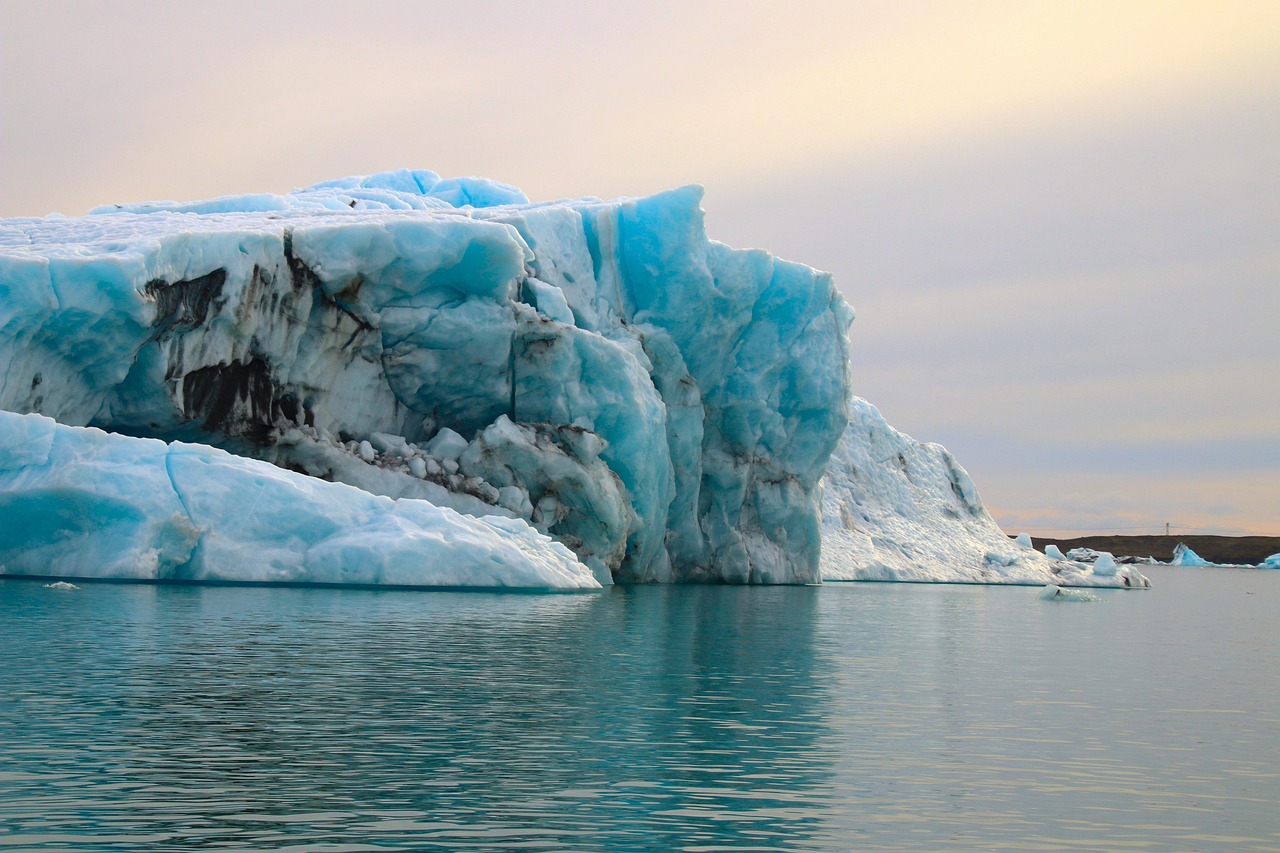

Diving in Cold Water: Preparing for Arctic Adventures
Scuba diving in cold water, especially in the Arctic, presents a unique set of challenges and experiences. The cold water can be invigorating yet intimidating, driving divers to prepare extensively before embarking on their adventures. It is essential to choose the right equipment and training programs to navigate these chilly waters safely. Wearing a dry suit is crucial since it provides thermal insulation and keeps divers warm. Additionally, research about the specific dive sites in the Arctic can also aid in preparation. Understanding the marine life you’ll encounter enhances the diving experience and promotes safety. For example, knowing about the icy conditions coming from glaciers can make the dive more enjoyable. Planning your dives, including duration and depth, is also essential to avoid hypothermia or other cold-related ailments. Regular practice in cold water environments will familiarize divers with handling their gear and adjusting to the frigid temperatures. Consider joining local dive clubs, which can offer valuable tips for cold-water diving as well as a chance to socialize with fellow divers sharing similar interests.
Essential Gear for Cold Water Diving
Choosing the right gear is vital when preparing for cold water diving. Standard diving equipment for warmer waters might not suffice in the chilly Arctic. Opting for a quality dry suit is necessary as it retains heat while ensuring all vital organs remain protected against shock from icy temperatures. Divers should also invest in thermal undergarments that layer effectively for added insulation. The use of suitable gloves and booties specifically designed for cold water can prevent heat loss, enhancing overall comfort. Dive hoods are equally important since a significant amount of body heat escapes through the head. A reliable regulator that can perform in low temperatures is critical; test equipment before your dive to ensure reliability. Additionally, divers should bring a high-quality dive computer to monitor depth and time properly. It’s also advised to carry extra insulating items such as towels and blankets for post-dive warming. Drying off quickly and efficiently is important in avoiding prolonged exposure to cold. Finally, ensure that your equipment is well-maintained and serviced regularly to guarantee durability and safety during your Arctic adventures.
Training and understanding Arctic dive conditions are essential aspects of preparation. Training courses geared toward cold water conditions equip divers with necessary skills, primarily focusing on safety and maximizing the diving experience. Engage with professionals who have firsthand experience in similar conditions, as knowledge is invaluable. Becoming familiar with cold-water technologies also plays a significant role in successful diving. Practicing buoyancy control is equally crucial, as the added bulk from thermal gear impacts movement underwater. Moreover, divers should learn about emergency protocols relevant to cold-water scenarios including the buddy system, which helps manage risks effectively. Knowing how to conduct controlled ascents also contributes to the overall safety of the dive. Performing drills regularly ensures skills are honed and divers can react instinctively in stressful situations. Communicative practices and hand signals should be reviewed among dive partners before diving to optimize safety measures. Join cold-water diving workshops to further explore skills and engage with the community. Establishing a routine of continued learning and practice not only helps yet builds confidence for those epic Arctic diving adventures.
Understanding Marine Life in Cold Waters
Exploring marine life in Arctic waters adds a breathtaking element to diving adventures. Understanding how distinct ecosystems function in frigid temperatures helps divers appreciate the environment more profoundly. Notably, species exhibiting adaptations to cold climates can present unique items to observe. Common creatures include various fish species, seals, and occasionally whales, where interactions are often fascinating. Observing wildlife within their natural habitat requires respect and, at times, patience as cold water alters behavior. Take time to learn about dramatic changes in local ecosystems that occur due to season; ice cycles create different opportunities for life. Having a guide can enhance the experience, imparting knowledge and safety while helping to identify specific species. Photographic opportunities can be astonishing in clear, cold waters where vibrant colors emerge against the icy backdrop. Divers can document encounters, fostering awareness of marine conservation. Consider participating in guided marine biology-oriented dives to enrich experiences with educational context. Ultimately, awareness of the unique attributes of Arctic marine life ensures a fulfilling diving journey that merges excitement with environmental appreciation.
Acclimatization is vital when diving in cool waters, especially for newcomers. Gradually getting used to cold temperatures can reduce anxiety and improve overall enjoyment. Successful acclimatization begins with pre-dive practices such as cold showers or outdoor swims in controlled temperatures. Commencing dives in milder waters before transitioning to colder shores aids in building confidence. Encourage your dive buddy to also engage in these activities for synchronized acclimatization experiences. During the dive, pacing is fundamentally important; adjust diving plans as necessary, allowing adequate time for adaptation periods. Always monitor personal comfort levels and listen to the body, paying close attention to signs of fatigue or discomfort due to cold. A collaborative approach with your dive team in managing exposure duration will enhance overall safety. Establishing safety guidelines and maintaining open communication is crucial. Developing buddy skills helps streamline the diving process while staying attentive to each other’s needs. Always conclude dives with a careful review to analyze experiences and apply lessons learned. Sharing reflections promotes a broader understanding of cold-water conditions, consequently enriching future diving challenges.
Safety Measures for Cold Water Diving
Emphasizing safety in cold water diving cannot be overstated. Understanding potential risks associated with hypothermia, decompression sickness, and other cold-related ailments is paramount for new and experienced divers alike. Immediately assess environmental conditions before each dive; factors such as water temperature, currents, and weather play significant roles. Carrying safety gear, including flotation devices and signaling devices, is critical in emergencies. Moreover, familiarize yourself with the nearby emergency response resources available, addressing concerns like having a well-established communication line. A buddy system should be followed, allowing divers to monitor and support one another effectively. Regularly conducting safety drills reinforces essential protocols, preparing divers for real situations. Anyone diving in frigid conditions must maintain hydration; however, be cautious of excessive alcohol or caffeine intake before diving, as it may exacerbate heat loss. Instruct divers to stay within their limits during dives; pushing beyond personal comfort zones can increase risks immensely. Prioritize thorough debriefings post-diving for reflection and learning opportunities to enhance awareness and preparedness for future excursions. Overall, making safety a fundamental focus ensures ocean adventures remain enjoyable and secure.
Finally, diving during the winter season offers unparalleled experiences and striking visuals. The Arctic is renowned for its extraordinary beauty, with unique opportunities for exploration awaiting adventurous divers. Winter dives present tranquil underwater environments often free from the crowds typically seen during warmer months. Organizing trips during this time can foster a different understanding of Arctic marine life as the changing seasons influence behaviors and habitats. The visibility in cold water can impressively enhance underwater photography; however, divers must be prepared for the challenges presented by fewer daylight hours. Pre-planning is essential, including organizing logistically sound trips that accommodate daylight schedules. Join communities focused on winter diving experiences that can provide insights and support for navigating cold waters effectively. Building camaraderie with fellow divers significantly contributes to the overall joy of icy dives. Sharing stories and experiences of winter dives becomes a vital part of the adventure itself. Ultimately, the carefully planned cold-water diving journey enhances understanding of both physical preparation and the breathtaking aquatic landscapes that await beneath the Arctic ice.