
Trail Running Events and Races for Seniors
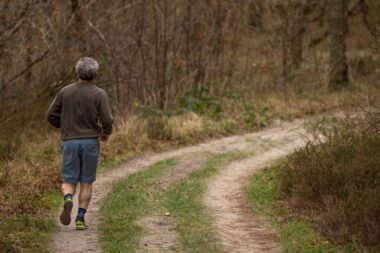
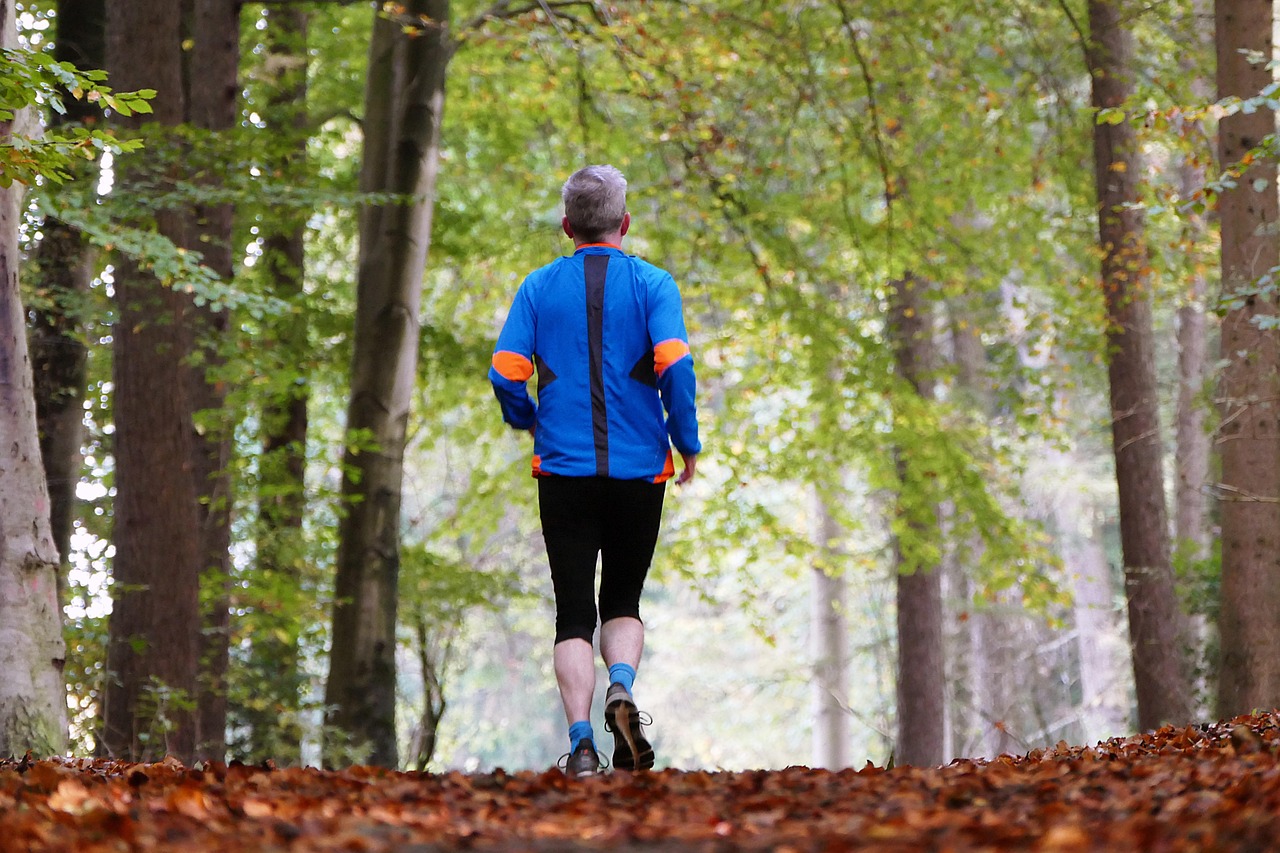
Trail running is not just for the young; it holds immense potential for seniors as well. As more seniors take on the challenge of trail running, various events have been created specifically for them. These events provide not only an opportunity for competition but also a chance to enjoy the beautiful outdoors and the camaraderie of fellow runners. From shorter distances to more challenging trails, there’s something suited for everyone’s abilities. Many organizations are recognizing the need to promote fitness in older adults. Events may vary in terrain and distance, accommodating different skill levels. The emphasis is typically on participation rather than performance, making them a great way for seniors to stay active. Additionally, many races offer age categories, ensuring fair competition among peers. Senior-focused trail events can be found in many locations, providing excellent opportunities for seniors to explore new trails while maintaining a healthy lifestyle. With the right preparation and mindset, any senior can join the exciting world of trail running, making friends while competing in stunning natural settings. It’s never too late to lace up and hit the trails!
Preparing for a trail running event requires specific considerations, especially for seniors. Training for trail races is different compared to road running. Emphasizing strength training and balance work is essential as these contribute significantly to performance and injury prevention. Seniors should also focus on flexibility exercises that allow them to move comfortably over varied terrain. Proper footwear is equally important, as trail running shoes provide critical support and grip. Additionally, seniors might benefit from gradually increasing mileage, allowing their bodies to adjust to the rigors of trail running. Incorporating hiking into their routine can help build endurance while preparing for sustained efforts required in races. Pre-race nutrition is another key element; seniors should ensure their diet supports energy needs leading up to the event. Staying hydrated is vital, particularly in warmer climates or during longer races. Many events offer hydration stations, critical for older runners. Consulting healthcare professionals for personalized training advice is also wise, ensuring seniors can safely enjoy and compete in trail running events. Embracing the scenic beauty of nature while staying active can be incredibly fulfilling for seniors, opening a world of adventure.
Choosing the Right Event
When it comes to selecting a trail running event, seniors must take various factors into account. One important aspect is the distance of the race. Many trail events are designed with different distances in mind, from 5K to more challenging half-marathons or marathons. Seniors may want to start with shorter distances to gauge their comfort levels and gradually build up as they become more experienced. The terrain type is also critical; some races may feature steep inclines or technical sections that can be demanding. It’s crucial to choose a race that aligns with one’s skillset and fitness level, ensuring an enjoyable experience. Seniors should also consider the weather conditions typical for the event. Some locations may have extreme heat or cold, which can pose additional challenges. Accessibility to aid stations and support crew during the race is another vital factor. It’s beneficial to choose events that offer ample refreshments and assistance along the trail. By researching various options and assessing personal readiness, seniors can make informed choices that enhance their trail running experiences.
Many trail running races encourage a sense of community, which is particularly beneficial for seniors seeking social engagement. Participating in runs alongside peers allows individuals to share experiences and tips throughout training and on race day. Joining local running clubs or groups can enhance this social aspect, offering support and motivation. Participating in group training sessions often helps seniors improve their confidence and skills while fostering friendships. These connections can be vital for maintaining motivation and resilience on challenging trails. Social media also plays a significant role; many running events have online communities where participants share training advice, race strategies, and personal achievements. Additionally, local trails often have organized group walks or runs focusing on various skill levels. This camaraderie not only builds a stronger sense of belonging but enables seniors to encourage one another throughout their trail running journeys. Emphasis on mutual support can significantly enhance overall experiences and create lasting friendships. Finding a running buddy or support group is not just beneficial for training but enriches the joy of participation in trail events.
Safety Considerations for Seniors
Safety is a paramount concern for seniors participating in trail running events. First and foremost, seniors should always consult with healthcare providers before starting a new exercise regimen, ensuring they are fit enough for the activity. Carrying necessary identification, a phone, and medications is wise during events, especially for those with pre-existing health conditions. Familiarizing themselves with the race route beforehand can also enhance safety. Knowing the potential hazards of the trail, such as rocky or uneven surfaces, can prepare runners for challenges they may face. Using trekking poles may help seniors maintain balance on steep inclines and descents. Wearing appropriate gear, including a hat, sunscreen, and layered clothing, can also protect against unexpected weather changes. Pre-race warm-ups help mitigate injury risk, emphasizing flexibility and mobility. Hydration packs are ideal for senior runners, allowing easy access to fluids throughout the race. Lastly, seniors should listen to their bodies and adapt their pace to avoid injury and exhaustion. With proper precautions in place, seniors can enjoy the thrill of trail running while prioritizing their health and safety.
Post-race recovery is an essential part of any trail running journey, especially for seniors. Following an event, seniors should take time to cool down and engage in gentle stretching to promote flexibility and recovery. Nutrition is equally important; consuming a balanced meal rich in carbohydrates and protein immediately following the race helps replenish energy stores. Staying hydrated post-event is critical, as fluids lost during the race need to be replaced. Rest is vital, and seniors should allow their bodies time to heal and recover. Listening to their bodies is crucial; any persistent pain should prompt a consultation with healthcare professionals. Incorporating light activities like walking or swimming can be beneficial for active recovery without the intensity of running. Keeping active during recovery helps maintain fitness levels while preventing stiffness. Reflection on the experience can also enhance future performance; seniors might consider noting what went well and areas for improvement. Celebrating the accomplishment of finishing the race is vital. Engaging in post-race social gatherings with fellow runners can emphasize the community aspect of trail running and provide an excellent opportunity to share stories.
Finding Resources and Information
Seniors looking to participate in trail running events can benefit from a variety of resources available online and in their communities. Websites dedicated to trail running often feature event calendars, training tips, and advice specific to older runners. Additionally, social media groups focusing on senior athletes provide valuable interactions and experiences shared among peers. Local running clubs can be a great resource for information about training runs, races, and social gatherings. Many clubs are welcoming towards seniors and often host clinics specifically aimed at this demographic. Attending running expos can also give seniors the opportunity to learn about brands specializing in gear suited for trail running. Many companies are committed to evolving technology that supports older athletes. Seniors may also find online coaching options, providing individualized training plans that account for their unique requirements. Another excellent resource is local community centers, which often offer fitness classes tailored for seniors. Joining fitness classes targeting strength and endurance can directly enhance their trail running experiences. By seeking out these resources, seniors can fill their toolboxes with knowledge and support to navigate the exciting world of trail running.