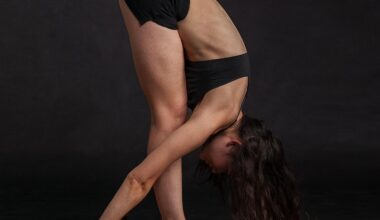

Low Impact Cardio and Postnatal Recovery: What Moms Should Know
During pregnancy, many women seek safe ways to stay active. Low impact cardio is an excellent choice for expectant mothers, allowing them to maintain fitness without putting stress on joints and muscles. Options include walking, swimming, and stationary cycling, which reduce the risk of injury. Always consult with a healthcare provider before starting any fitness regimen. Benefits of low impact cardio are numerous. Engaging in such activities can enhance cardiovascular health, improve mood, and encourage better sleep patterns. Additionally, low impact workouts are more manageable for those experiencing discomfort related to pregnancy. Maintaining physical activity can aid labor preparations and recovery. Postnatally, continuing low impact cardio can support the healing process. Moms can safely return to fitness routines while taking care of their new baby. Low impact activities help rebuild strength and stamina over time, ensuring a smoother transition into motherhood. Staying active also promotes mental well-being, combating anxiety and depression during this period. Remember, each woman’s recovery journey is unique, so adjust workouts based on personal feelings and energy levels. Listen to the body and gradually increase intensity as it feels right.
Benefits of Low Impact Cardio
Low impact cardio workouts provide a multitude of advantages. First and foremost, they are gentle on the body, particularly after childbirth when recovery is crucial. These exercises help strengthen the cardiovascular system, enhancing blood circulation and reducing fatigue. Furthermore, engaging in low impact cardio boosts endorphin levels, leading to improved mood and energy, which can often be lacking for new mothers. Having a good energy base can make daily tasks more manageable and enjoyable. Additionally, these exercises can play a significant role in weight management. Postpartum weight loss can be challenging; combining low impact cardio with a balanced diet helps in achieving healthy weight goals. Many women may feel self-conscious about their bodies after childbirth, making low impact workouts a supportive option. They also encourage social interaction, allowing new moms to join classes or groups, contributing to a sense of community. This aspect is essential for emotional support and motivation. Engaging in low impact cardio can also serve as quality time for bonding with the baby when incorporating stroller walks or similar activities. Thus, it effectively blends fitness with essential caretaking duties.
Prioritizing hydration is vital during low impact cardio, as mothers need adequate fluid intake for health. Engaging in moderate exercise helps boost metabolism, and combining this with proper nutrition allows for energy restoration. Consuming nutrient-dense meals rich in calcium, iron, and vitamins is crucial. Including variety in workouts is beneficial to avoid monotony, so adding different forms of cardio keeps the experience fresh. Many mothers enjoy exercises like yoga or Pilates that offer holistic approaches to fitness. These low impact activities support flexibility and strengthen core muscles, which are essential for postpartum recovery. Additionally, incorporating strength training using light weights can enhance muscle tone. It’s essential to start slow, gradually increasing intensity based on individual comfort levels and medical advice. Another fantastic option is joining online fitness classes designed specifically for postpartum women. Such classes can guide new moms through safe workouts, while the community aspect provides emotional support and encouragement. Tracking progress can also motivate women to stay committed. Keeping a record of workouts and fitness achievements helps visualize improvements over time, promoting consistent engagement. Appropriate restful periods between sessions are a must, allowing the body to recover and adapt.
Safety Tips for Low Impact Cardio
Safety should always be the primary concern when engaging in low impact cardio. Listening to the body’s signals is crucial; if any discomfort or pain arises, it’s essential to stop immediately. It’s advisable to begin with short sessions, focusing on gradual increases in duration and intensity. Experts suggest mixing low impact workouts with stretches to promote flexibility and reduce injury risk. When exercising, wearing supportive shoes and comfortable clothing is vital, as these contribute significantly to an enjoyable experience. Alongside proper gear, ensure the workout environment is safe—check both indoor and outdoor spaces for obstacles and hazards. Engaging with a knowledgeable instructor can also enhance safety measures; thus, consider attending classes with certified trainers experienced in prenatal and postnatal fitness. Connecting with other new mothers allows sharing experiences, tips, and advice, fostering a supportive environment. Many women also find comfort in exercise buddies, offering motivation and accountability. It’s essential to incorporate sufficient warm-up and cool-down routines, which can prepare muscles for activity and assist the recovery process. Knowing when to rest and allowing the body to recuperate remains a vital aspect of any fitness journey.
Cognitive and emotional health is as necessary for new mothers as physical fitness. Regular low impact cardio can promote mindfulness, helping women to process their transition into motherhood and manage stress. Activities such as walking or swimming can provide a meditative quality that fosters relaxation. Mind-Body techniques like yoga or tai chi focus on breath and movement, allowing mothers to reconnect with themselves during this bustling time. Building a self-care routine helps maintain both mental clarity and emotional stability, essential facets of motherhood and personal wellbeing. Forming connections with other mothers through group activities helps build support systems that offset feelings of isolation. Sharing experiences with other new moms strengthens bonds and encourages openness about challenges and victories. This dialogue can help normalize the ups and downs of motherhood, making it easier to navigate feelings. Therefore, ensure to take time each day for oneself, allowing rest and reflection. It’s vital for mothers to gauge their emotional health continually, seeking professional help if necessary. Integrating low impact cardio into daily routines creates balance and promotes resilience amidst the demands of caring for a newborn, ultimately nurturing both the body and mind.
Conclusion: Embracing Fitness Postpartum
Embracing low impact cardio during and after pregnancy is an empowering decision. It supports physical recovery, enhances mental wellbeing, and fosters a deeper connection with your body. By prioritizing a steady fitness routine, mothers can support their journeys through the physical changes that accompany motherhood. Remember that self-compassion is key; everyone’s postpartum experience is unique, requiring personal adjustment and tailored fitness adaptations. Start with achievable goals, gradually advancing as confidence grows within the practice. Celebrate small victories, recognizing that every step towards fitness is essential. Balancing exercise with childcare can seem daunting, but integrating baby-friendly workouts makes it practical and enjoyable. Also, remember to incorporate social elements, whether through group classes or workout partners, to enhance motivation. Share experiences with other mothers to foster community support, exchanging tips and advice. Understand the importance of listening to your body and being flexible; modifications may be necessary as moms navigate ever-changing energy levels. Ultimately, the aim of engaging in low impact cardio isn’t just about weight loss or aesthetics; it’s about cultivating a healthier lifestyle that will benefit both mother and baby long-term.
In conclusion, prioritizing low-impact cardio and understanding its benefits are vital for mothers during and post-pregnancy. Through this journey, women can create lasting healthy habits, which significantly contribute to personal well-being and familial happiness. Every mother deserves to treat herself with kindness, embracing the physical and emotional transitions that arise from bringing life into the world. Encouraging fitness that respects individual limits can help strengthen resilience and promote healthier family dynamics. It’s essential to educate oneself on adapting workouts to fit ever-changing personal needs. Grasping the significance of this balance helps women thrive amid their responsibilities as caregivers while nurturing their health. With mindful approaches to low-impact cardio, mothers can enjoy the journey of motherhood without compromising their wellness. As each individual develops their unique rhythm within this journey, celebrating progress is essential. Connecting physical activity with moments of joy creates a vibrant atmosphere for mother and child alike. Therefore, continue exploring various low-impact options, and stay committed to enjoying the revitalizing experience of fitness. Successful transitions to motherhood come with patience, and a dedicated approach to well-being leads to holistic growth.
Additional Resources for New Moms
For new moms looking to explore low impact cardio and its benefits further, several resources exist to provide guidance and support. Local community centers or gyms often host postpartum fitness classes designed specifically for new mothers. Engaging with these programs allows moms to connect and share experiences, creating a supportive network. Many online platforms also feature programs specializing in low-impact workouts tailored to postpartum recovery. Websites and apps designed for new parent fitness can offer tailored plans, giving moms structured workouts that accommodate their needs. Additionally, social media platforms host several groups where women can share tips and challenges. These connections can be invaluable for motivation and encouragement, creating a sense of camaraderie among mothers. Online webinars about postpartum fitness can also provide educational content that helps deepen understanding. Books written by fitness experts focusing on postpartum recovery offer further insights into benefiting from physical activity during this phase. Seeking advice from licensed healthcare professionals or trainers can provide personalized recommendations, ensuring safe practices are observed. As new mothers embark on this rewarding yet challenging journey, exploring such resources strengthens their commitment to maintaining health and well-being.