
Common Signs and Symptoms of Dehydration in Athletes
Maintaining proper hydration levels is crucial for athletes to perform optimally. Dehydration can negatively impact an athlete’s physical and mental performance, exacerbating fatigue and lowering endurance. The initial signs of dehydration often include increased thirst and dry mouth, which occur as the body signals its need for more fluids. Athletes should be vigilant in recognizing these symptoms, especially during extensive physical activity or in hot environments. Monitoring hydration can aid in preventing fatigue and ensure that physical strength is maintained. Furthermore, some athletes may notice a decrease in urine output, or the urine may appear darker in color, indicating that the body is conserving water due to insufficient hydration. It’s vital to develop hydration strategies that include maintaining fluid intake before, during, and after exercise. This proactive approach can counteract the effects of dehydration and enhance overall performance. Not only does this include drinking water, but also electrolyte drinks can help replenish lost minerals. Understanding the symptoms of dehydration can be the key to ensuring peak performance during training and competitions.
Additionally, athletes may experience muscle cramps when dehydrated, which can be distressing and even dangerous. These cramps can occur suddenly and result from an imbalance of electrolytes typically maintained by adequate hydration. Cramps can hinder performance and should be taken seriously, prompting immediate rehydration efforts. Another sign to watch for includes fatigue and a general feeling of weakness. These sensations often serve as a warning that an athlete’s body is struggling with the demands being placed upon it without sufficient hydration. Alongside these physical symptoms, dehydration can also impair mental functions. Athletes may find difficulty concentrating, experience mood swings, or exhibit decreased reaction times. This cognitive decline can directly affect an athlete’s performance, especially in sports requiring strategy and quick decision-making. Athletes need to pay close attention to their hydration status and use both their physical and mental cues as indicators. Timely interventions, such as consuming fluids combined with nutrients, can alleviate symptoms and restore optimal functioning. Ultimately, fostering a habit of regular hydration checks is essential for all athletes to counter dehydration effects during intense activities.
Surprising Symptoms of Dehydration
In addition to the common signs mentioned, some athletes may experience surprisingly severe symptoms stemming from dehydration. Elevated heart rates can occur even with minimal exertion, as the heart works harder to supply oxygen to the body under duress from inadequate fluid intake. Athletes might overlook this critical signal, attributing it instead to fatigue or stress from training, when in fact it could indicate dehydration. Persistent headache is also a concerning indicator, as dehydration reduces the volume of blood flowing to the brain, resulting in pain. Recognizing headaches as a symptom of dehydration requires athletes to rethink their hydration habits, especially before, during, and after workouts. Disorientation or confusion, though less common, may arise as a result of serious dehydration. Athletes should never ignore drastic changes in mental status, as this can point to significant fluid deficiency. Athletes engaged in competitive sports should implement effective hydration strategies. Adequate pre-training hydration can significantly reduce these symptoms. Furthermore, routine hydration assessments can enhance both safety and performance for athletes in any sports discipline. Being proactive is essential in combatting dehydration.
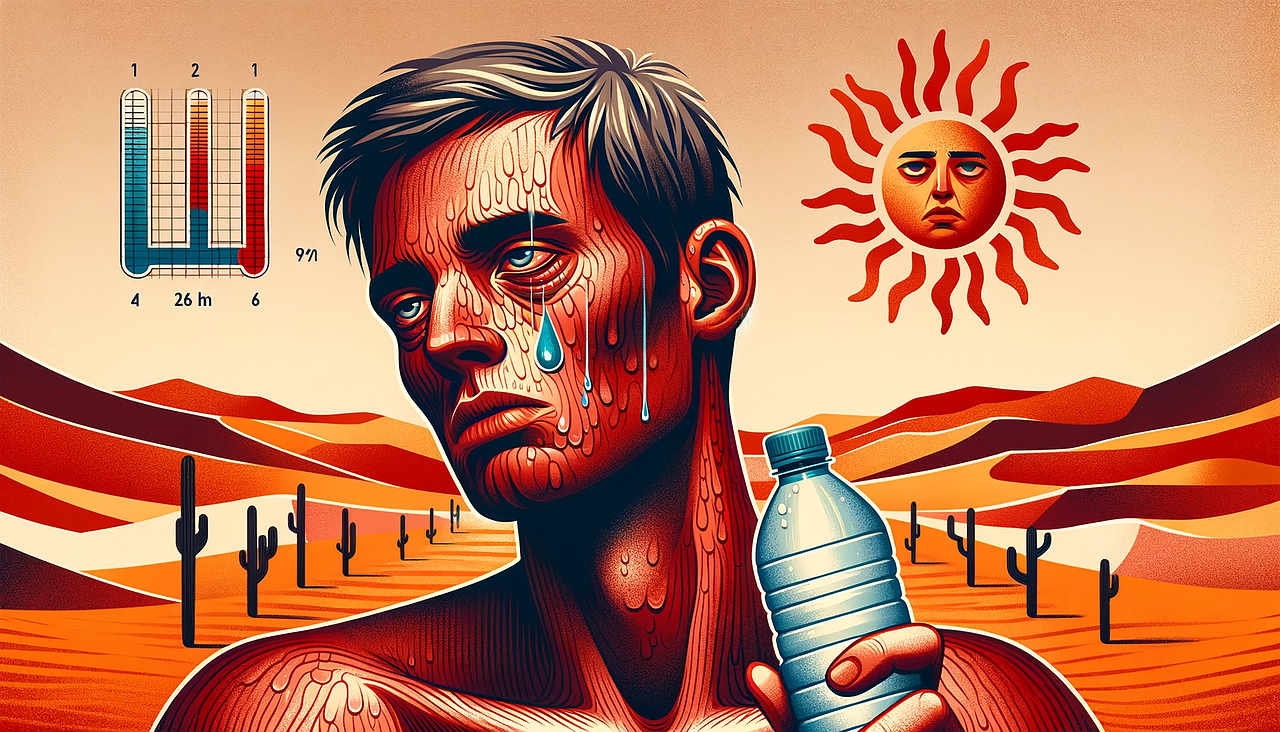
Moreover, athletes who train in high temperatures must take special precautions to prevent dehydration. Heat can exacerbate fluid loss through sweat, often leading to more rapid onset symptoms. Strategies may include regularly scheduled fluid intake breaks during training sessions. Carrying electrolyte solutions can also help replenish vital minerals lost through sweat, facilitating better recovery. It’s critical for athletes to develop a hydration plan that accounts for weather conditions and individual needs. Recognizing personal thresholds for fluid loss can prompt timely rehydration efforts, minimizing risk. Additionally, sports drinks, while not essential, can offer benefits when consumed appropriately. These drinks can provide carbohydrates and electrolytes that water alone may not replace. Athletes should consult with nutritionists or trainers to determine the best hydration strategies tailored to their specific sports and environments. This tailored approach can amplify both hydration efficacy and performance outcomes. Ultimately, the knowledge of hydration dynamics can empower athletes to make informed decisions regarding their health. The right balance of hydration will optimize performance while safeguarding against the risks posed by dehydration.
Practical Hydration Strategies
As athletes strive to maintain peak performance, comprehending practical hydration strategies becomes paramount. A general guideline is drinking fluids before feeling thirsty, as thirst is often the first sign of dehydration. Athletes are encouraged to consume water or electrolyte-rich beverages throughout the day, rather than just during workouts. Keeping track of fluid intake using mobile applications or hydration logs can aid athletes in achieving their hydration goals. Additionally, integrating water-rich foods such as fruits and vegetables can contribute significantly toward overall hydration. Options like cucumbers, watermelon, and oranges not only provide hydration but also essential nutrients and vitamins that optimize performance. Establishing a routine that includes drinking fluids consistently—before, during, and after exercise—can establish habits that will enhance hydration awareness and reduce the risk of dehydration. Athletes should also consider individual sweat rates when formulating hydration strategies. Personalizing fluid intake based on body weight lost during training can maximize rehydration efficiency. Engaging with performance coaches or nutritionists can further refine these strategies, ensuring they align with an athlete’s needs and lifestyle. This comprehensive approach to hydration will promote safe and efficient training.
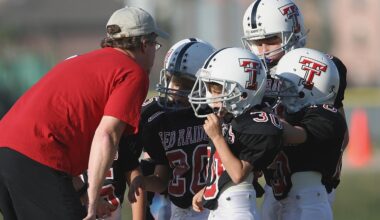
In competitive settings, the need for hydration becomes even more critical not only for individual performance but also for team dynamics. Teams often engage in strategy sessions focused on proper hydration techniques, as collective performance may hinge on the hydration status of individual athletes. Developing teams that prioritize hydration creates a supportive environment, mitigating risks and ensuring that all members stay in optimal physical condition. Coaches should educate their teams about hydration signs and symptoms to foster awareness not just for themselves but also for each other. Proper communication protocols can assist athletes in addressing hydration needs, whether through on-field reminders or designated hydration times. Furthermore, integrating hydration breaks into practice schedules advocates its importance in athletes’ daily routines. Continual assessment of hydration levels during practices enables timely interventions, reducing potential health risks. Emphasizing the team culture around hydration aids in reinforcing its importance, ultimately enhancing performance output. Moreover, promoting positive behaviors regarding hydration can empower athletes. Collective responsibility for hydration can be a cornerstone of a team’s culture, driving success both in training and competitions.
Conclusion on Hydration Awareness
To conclude, awareness regarding hydration strategies and the signs of dehydration in athletes is crucial. Athletes must recognize when their bodies signal distress, ensuring productive and safe training environments. Those who neglect hydration are at higher risk for adverse effects, diminishing performance and increasing susceptibility to injuries, cramps, and fatigue. Instilling good hydration practices should start from initial training phases. Coaches and sports professionals play a vital role in educating athletes about these signs and fostering a culture centered on hydration importance. Practicing hydration should not be an afterthought but an integral part of training that aligns closely with physical fitness goals. Monitoring bodily responses to exercise and the surrounding environment can greatly assist athletes in maintaining optimal hydration levels. Including hydration-focused discussions in regular training agendas can further instill awareness and commitment among athletes. Finally, ongoing research should continue to explore innovative hydration strategies and tools to optimize athletic performance. Consistently prioritizing hydration will set the foundation for success, both on and off the field, enhancing performance and athlete longevity.
Thus, understanding hydration strategies is essential for athletes. Regular intake of fluids, awareness of dehydration signs, and a supportive environment all contribute to improved performance outcomes. Engaging in routine hydration education ensures athletes remain proactive in their approach. Researching innovative hydration solutions, both in sports drinks and methods, will empower athletes further. A collective commitment to hydration not only aids individual performance but also fosters stronger team dynamics. As exercises intensify, maintaining hydration will ensure athletes can meet their goals while safeguarding health. Awareness remains key in maximizing the benefits of hydration and preventing dehydration-related challenges. Ultimately, the journey towards optimal performance begins with acknowledging hydration as a foundational element in athletic training.