
The Role of Nutrition in Post-Golf Recovery
When it comes to post-game recovery in golf, nutrition plays a crucial role in restoring energy levels and minimizing muscle soreness. After a long round on the course, your body needs adequate fuel to recover effectively. Consuming the right nutrients helps in repairing damaged tissues and replenishing glycogen stores depleted during play. Incorporating protein is vital as it aids muscle repair, while carbohydrates are essential for energy restoration. Optimal hydration should not be overlooked either; water plays a key role in recovery, as dehydration can lead to prolonged fatigue and reduced performance. As golfers aim to enhance their recovery strategy, understanding the macronutrient balance becomes key for effective recuperation. Balanced meals rich in nutrients post-golf can significantly speed up recovery time, leaving you ready for the next round. Not only does nutrition support physical recovery, but it also assists in mental clarity and focus. Properly fueling your body with wholesome foods increases concentration, enabling golfers to perform better. To achieve optimal recovery, aim for a balanced intake of carbohydrates, proteins, and fats alongside adequate hydration to support your body’s recovery process.
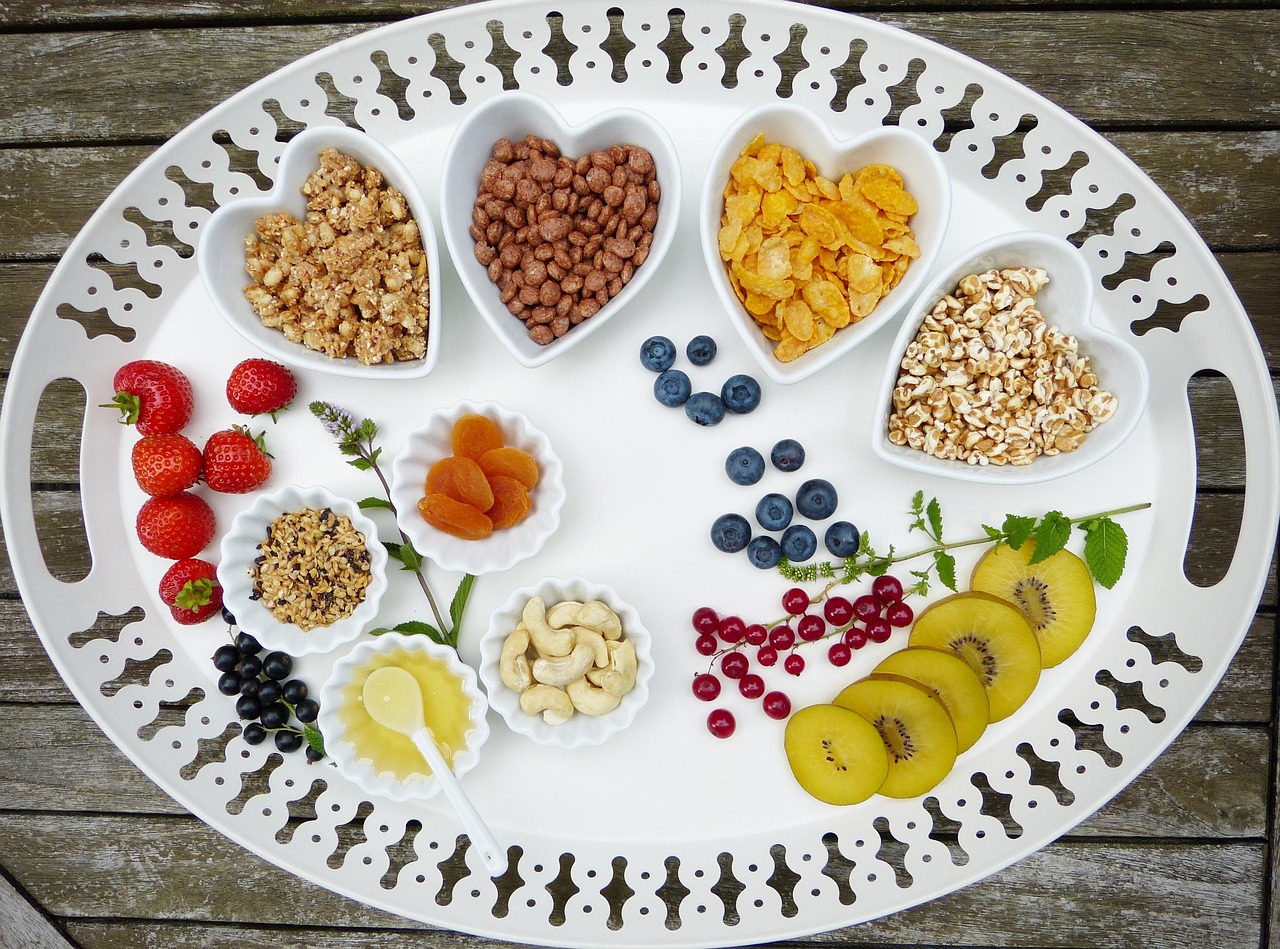
Post-golf recovery can significantly benefit from the inclusion of specific nutrients that target muscle repair and growth. This includes options such as lean meats, legumes, and dairy products that are high in protein. Incorporating these foods within 30 minutes to an hour after golfing can enhance healing and help rebuild muscle strength effectively. Additionally, fruits rich in antioxidants like berries can reduce inflammation, aiding recovery by minimizing muscle soreness and stiffness. Green leafy vegetables provide vitamins and minerals crucial for overall health and immune function. Combining these foods into a nutrient-dense smoothie or delightful salad can be an enjoyable way to refuel after your game. Furthermore, including healthy fats found in nuts and avocados supports joint health, crucial for golfers who rely on precision and mobility. Many golfers find that achieving the right nutritional balance improves not only their recovery times but also their overall game performance. Preparing snacks like trail mix or protein bars can help maintain energy levels during long rounds while providing essential nutrients for recovery. By making informed nutritional choices, golfers can significantly enhance their post-game recovery strategy.
Importance of Hydration Post-Game
Hydration remains a cornerstone of effective post-game recovery, not just for performancees during play, but also for how well the body recuperates afterward. After hours on the golf course, even mild dehydration can have adverse effects, leading to decreased recovery rates and prolonged fatigue. Sports drinks that contain electrolytes can be particularly beneficial for rehydrating the body after a long session. The balance of sodium, potassium, and other electrolytes helps maintain fluid balance and can enhance recovery. Additionally, water should always be your primary source of hydration; experts recommend drinking water between holes during your game and continuing after your final putt. Aim to drink at least half of your body weight in ounces of water daily, adjusting based on temperature and sweat loss. Monitoring your urine color can help gauge hydration levels—light-colored urine indicates proper hydration. Creating a habit of consistent hydration throughout your golf outings ensures optimal performance and faster recovery post-game. By prioritizing hydration as essential for recovery, golfers can effectively reduce muscle cramps and fatigue.
In addition to macronutrients and hydration, vitamins and minerals play a pivotal role in post-golf recovery. Certain nutrients, such as Vitamin C and zinc, support muscle recovery and immune function, helping golfers stay healthy throughout the season. Foods rich in these vitamins, like oranges and spinach, are excellent additions to a recovery meal. Magnesium also deserves attention due to its ability to aid muscle relaxation, reducing cramping and tension. Delicious and nutrient-dense, nuts, seeds, and whole grains are fantastic sources for incorporating magnesium into a golfer’s diet. Furthermore, antioxidants from colorful fruits and vegetables combat oxidative stress posed by strenuous golf sessions, thus promoting faster recovery. This holistic approach to nutrition emphasizes that every detail counts in recovery strategy. Instead of relying solely on supplements, it is beneficial to focus on whole foods rich in these essential nutrients. Balancing these foods creates a recovery meal that is not only tasty and satisfying but boosts overall health and recovery, leaving golfers ready for the next round. Incorporating a rainbow of produce ensures effective nutrient intake without the need for excessive supplementation.
Meal Timing for Optimal Recovery
The timing of meals in relation to your golf session is vital for optimizing recovery. Eating a substantial meal post-round within an hour effectively replenishes energy reserves and reduces muscle breakdown. However, pre-game nutrition is equally important in ensuring that your body is adequately prepared for physical exertion. Pre-game meals should focus on easily digestible carbohydrates and complex protein sources that prevent fatigue during extended play. Snacks, such as bananas or energy bars, can sustain energy levels throughout the round, while post-game meals should prioritize protein and carbohydrates. Consider a mix of both protein and complex carbs within the initial recovery window; this combination will replenish glycogen reserves and stimulate muscle repair. For convenience, players might also consider meal prep options that can be easily stored and consumed after their game. By structuring meals and snacks around tournament schedules, golfers can maximize the benefits of their nutrition. It’s essential not to overlook that optimal timing in nutrition is as vital as meal quality for ensuring a complete recovery.
Moreover, creating a post-game recovery routine incorporating nutritional practices is beneficial for long-term performance and health. This could involve preparing a post-golf meal plan that addresses individual preferences and dietary needs. For instance, some golfers may prefer plant-based foods while others may lean toward lean animal proteins. Adapting the recovery strategy to encompass personal preferences promotes consistency, which is key for effective recovery. Additionally, considering family or social meal times can provide motivation to adhere to a structured nutrition plan. Recovery nutrition becomes more enjoyable when shared with friends or family, turning it into a social experience rather than a chore. Additionally, tracking progress and dietary habits through food diaries can offer insights into what works best for individuals. Building awareness of how certain foods impact recovery can guide future choices, allowing golfers to fine-tune dietary practices over time. Emphasizing a holistic approach, incorporating self-care alongside nutrition practices, creates a well-rounded recovery strategy essential for longevity in the sport.
Conclusion: Emphasizing Nutrition in Golf
Ultimately, nutrition serves a fundamental role in post-game recovery for golfers, influencing both physical recovery and game performance. By understanding the importance of balanced meals and proper hydration, players can turn their focus to achieving optimal workflows during and after their games. Nutritional strategies should be tailored to individual needs, accommodating factors such as age, gender, and personal goals. Moreover, adopting sustainable nutrition habits is critical for ongoing recovery and success in the sport. This commitment extends beyond merely what players eat; it encompasses mental and emotional health aspects, essential for achieving a satisfying overall golfing experience. Continuous learning about nutrition and how it can enhance performance reflects a professional approach to the sport. Thus, prioritizing nutrition not only fosters better health but encourages enjoyment of the game itself. As golfers invest in nutritional knowledge and practice, they will likely notice improvements in energy levels and overall gameplay. Incorporating flexible and enjoyable approaches will sustain motivation and help maintain a life-long commitment to the sport. Adopt these nutritional strategies to maximize recovery and refine your game!
Additionally, adopting meal-prepping skills facilitates easier access to nutritious choices, reducing temptation for fast food options. As golfers embrace the importance of nutrition, effective management of their recovery routine allows for ongoing improvements in performance and well-being. Creating a balance between on-and-off-course choices fosters consistent recovery strategies that can propel golfers toward personal bests, inspiring continued dedication to the sport.