
Group Riding Etiquette for Mountain Bikers
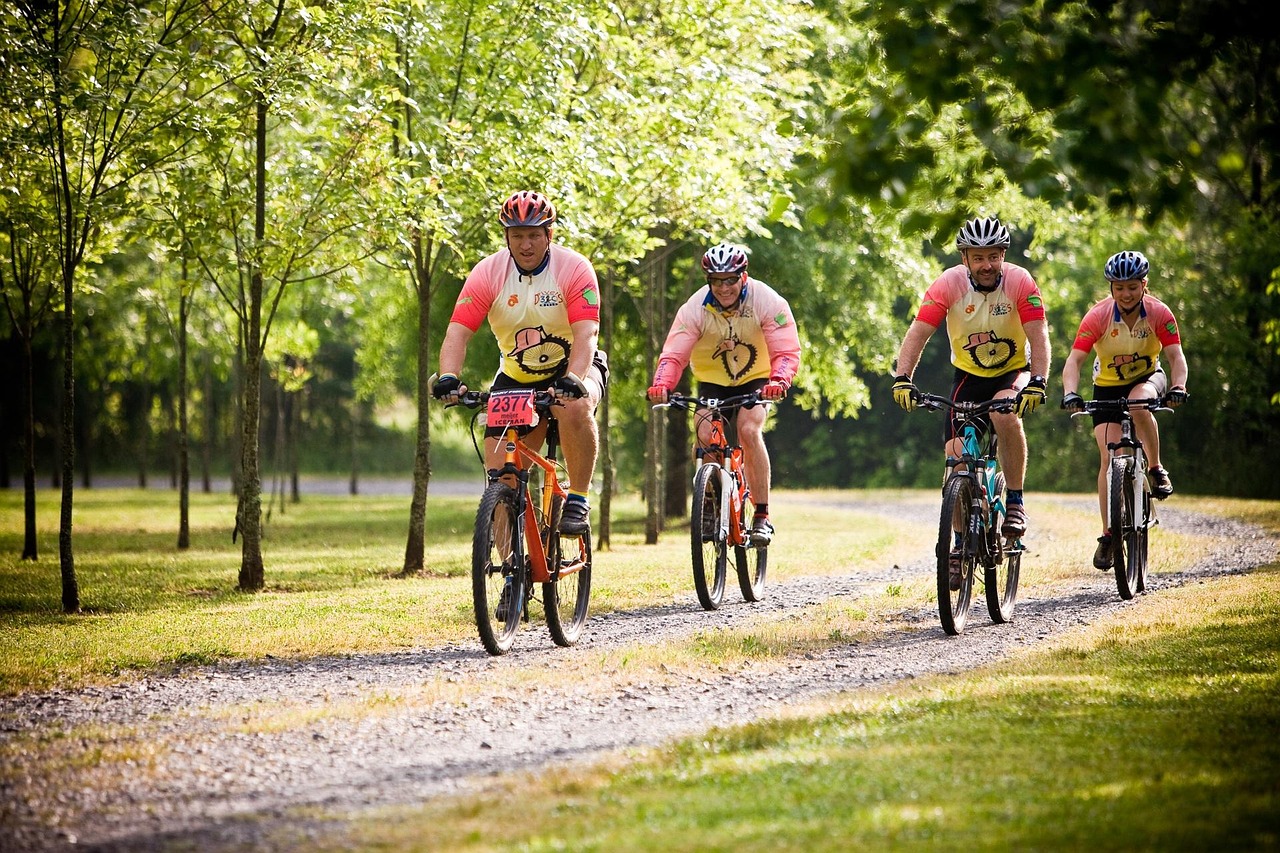
Mountain biking is an exhilarating way to explore the outdoors. Riding with a group can amplify this experience, making it both enjoyable and socially engaging. However, every rider must adhere to certain etiquette to ensure everyone’s safety and comfort. First, the group should have a designated leader who knows the trails and can provide directions. This way, everyone stays on track, reducing the chances of getting lost. Additionally, it is essential to communicate effectively within the group. Approaching obstacles, changing terrain, or needing to slow down should be communicated clearly. Riders should use clear phrases indicating their intentions to avoid accidents. Establishing a single line formation while descending ensures maximum safety. The group can maintain a steady pace that accommodates all skill levels. Moreover, establishing hand signals for common situations can enhance communication, allowing riders to focus on their surroundings. Mutual respect and maintaining a positive attitude goes a long way in group rides. Appreciating everyone’s efforts creates camaraderie, making each ride an uplifting experience, not just physically but mentally too.
Maintaining proper spacing between riders is crucial to group riding etiquette. This practice prevents collisions and allows room for maneuvering when needed. Each rider should keep a safe distance from the person in front, ideally 2-3 bike lengths apart, depending on speed and terrain. As riders traverse downhill sections, they must remain vigilant and prepared for sudden stops. It’s critical to stay within your skill level, particularly when descending, as this requires quick reflexes and clear judgment. A rider exceeding their skill level can create dangerous situations for others. If someone needs to stop for any reason, pull over to the side of the trail rather than halting abruptly in the middle of the path. This consideration prevents jarring interruptions for the rest of the group. Moreover, being mindful of trail maintenance is essential. Riders should not deviate from established trails to minimize erosion and protect local plant life. Fostering a caring attitude towards the environment reflects positively on the entire biking community, ensuring future generations can also enjoy these beauties. Always aim to leave any trail cleaner than you found it, promoting sustainability.
Handling Different Skill Levels
Groups often comprise riders with varying skills, making the experience unique yet challenging. Acknowledging each rider’s ability is vital for a successful ride. To accommodate various levels, the group could split into smaller sections, each focusing on speed and capabilities. Maintaining a comfortable pace for the least experienced rider ensures everyone can enjoy the ride together. Additionally, proactive learning about trails ahead of time can aid the group in navigating difficult terrain. Understanding who can handle specific challenges avoids overwhelming less experienced members. Pairing more experienced riders with novices can prove beneficial, as this encourages skill development. The more experienced riders can often teach techniques and tips that may enhance the overall experience for newer riders. They can also assist in safely navigating tricky sections. Clear communication throughout the ride guarantees everyone understands their limitations and when to ask for help. Regular check-ins throughout the ride can ensure no one feels left behind. By fostering an inclusive atmosphere, everyone stands to gain knowledge and skills. This sense of community makes mountain biking a fulfilling activity for all involved.
Frequent breaks during group rides not only allow riders to recuperate but also promote socializing. Stopping at picturesque spots to admire the view or taking a short break helps enhance camaraderie. Riders should agree on scheduled breaks and communicate their intentions to avoid fragmentation of the group. While resting, it’s advantageous to discuss hydration and nutrition. Each rider should carry sufficient fluids and snacks to maintain energy levels throughout the ride. Sharing snacks can also be a fun way to bond and enjoy the experience. As a group revisits its route, it can engage in discussions about everyone’s favorite parts of the ride. While on breaks, a friendly discussion regarding riding gear or mountain biking tips can lead to learning opportunities, strengthening the group’s knowledge base. Another important aspect is respecting your surroundings, ensuring not to disturb wildlife or other trail users. This means that, while socializing, riders should minimize their noise levels, keeping the natural environment serene. Riders should also watch for hikers and allow them space, creating a welcoming atmosphere for all outdoor enthusiasts. This respect fosters positive relationships within the broader outdoor community.
Trail Safety and Awareness
Trail safety should be the priority for all mountain bikers, especially in group settings. Ensuring everyone has the necessary protective gear—such as helmets, gloves, and appropriate padding—is a must. Riders must inspect their bikes to guarantee everything is in optimal working condition before setting off on the trail. Checking tire pressure, brakes, and gearing can avoid unnecessary mechanical failures. Riders should also stay vigilant and aware of their surroundings during the ride. Keeping an eye on trail flags or markers, as well as being alert to incoming riders, reduces the chance of collisions. If someone from the group falls or has an accident, it’s crucial to halt and address their needs. This reflects courtesy and care within the group. Riders should implement a buddy system to ensure everyone remains accounted for during breaks or tricky sections. Additionally, having basic first-aid knowledge is beneficial in case of injuries. Every ride can bring unexpected circumstances, so being prepared can mitigate risks significantly. Prioritizing safety elevates the experience for all participants while lessening potentially hazardous situations.
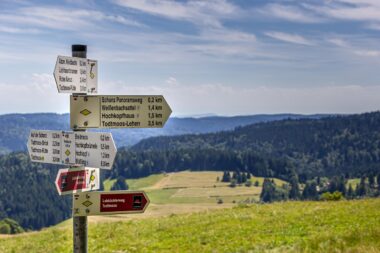
Environmental stewardship plays a crucial role in mountain biking etiquette. Riders must remain committed to protecting trails and ecosystems. This means adhering strictly to designated paths to avoid damaging vegetation. Riders should carry out what they bring in while minimizing litter, which fosters respect for nature. Encouraging other riders to do the same promotes a culture of responsibility. It’s essential to follow local regulations regarding trail usage, open hours, and maintenance practices. Understanding trail signage and closure indicators helps maintain the environment’s integrity. During adverse weather conditions, stepping away from trails may be the wise choice to preserve access. Educating fellow group members about minimum-impact practices becomes paramount during group rides. Providing tips such as riding only when the ground is dry or recognizing signs of trail overuse can assist in preserving these beloved locations. Additionally, staying informed about local flora and fauna encourages respect toward wildlife. Participants can designate roles within the group, such as a ‘trail steward,’ to keep everyone informed and sustainable. This promotes a deeper connection to nature while enjoying an active lifestyle.
Conclusion: Enjoying the Ride Together
Ultimately, respecting group riding etiquette creates a more enjoyable mountain biking experience. Incorporating these practices ensures safety, satisfaction, and camaraderie among riders. Group rides are about sharing experiences while nurturing an appreciation for nature and improving riding skills. The memories forged during these rides become cherished moments, making the effort worthwhile. Encouraging fellow bikers to follow proper riding etiquette not only enhances personal enjoyment but uplifts the entire community. Ultimately, fostering a supportive environment where everyone feels welcome while developing skills becomes the goal of all biking enthusiasts. This spirit of collaboration strengthens bonds, making each ride something to look forward to. Always be open to learning and adapting practices to suit different riding dynamics. Above all, have fun! The essence of mountain biking lies in the thrill of exploration and the shared experience with others. Embracing the joy of riding together amid stunning surroundings creates lasting memories and connections. Remember to pass the knowledge gained on to new riders. This cycle of sharing skills enriches the biking community and keeps the spirit alive.
In conclusion, following group riding etiquette is essential for an enjoyable and safe mountain biking experience. Applying the guidelines above encourages responsibility, respect for nature, and camaraderie among bikers.