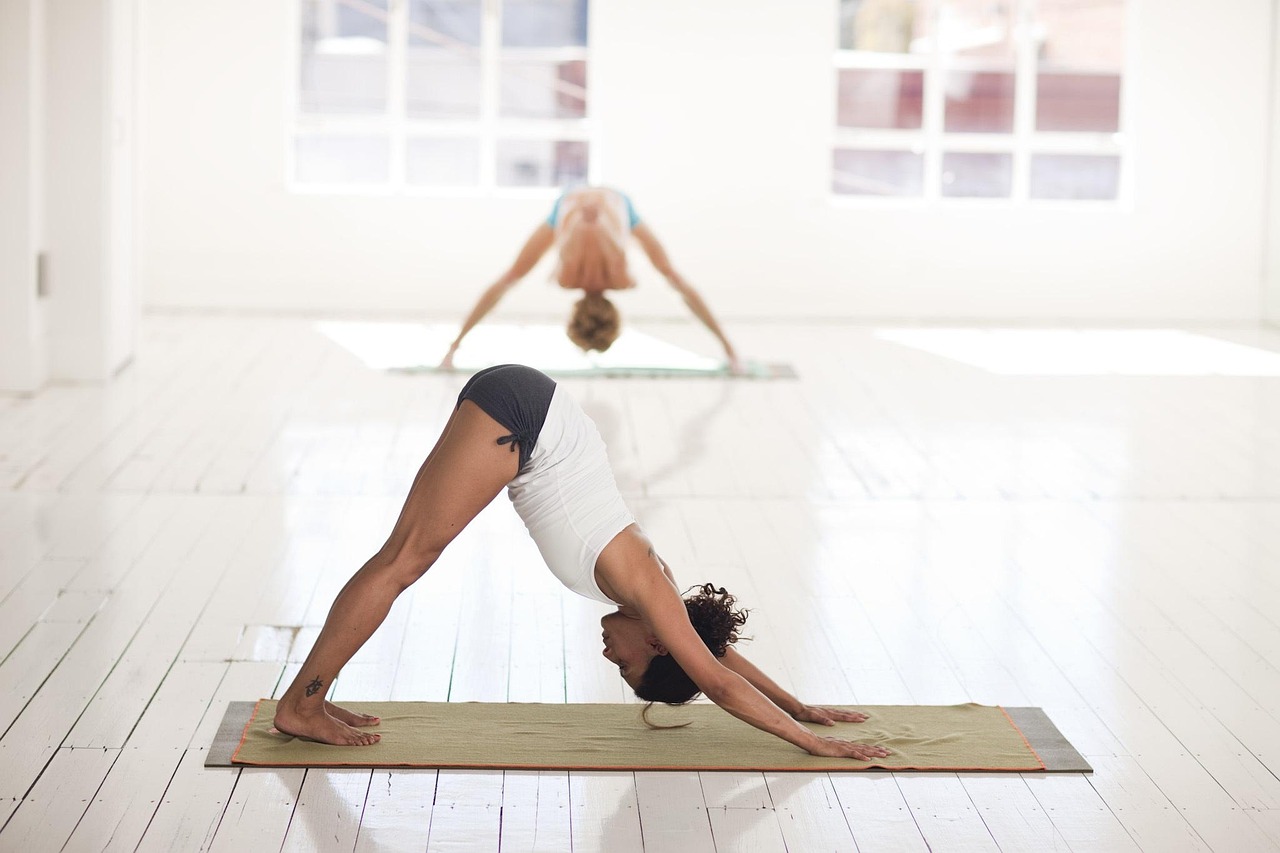

Utilizing Yoga Mats and Accessories for Competitor Flexibility Training
In competitive sports, flexibility is often an overlooked aspect of training. Incorporating yoga mats and accessories into a routine can offer numerous benefits, particularly for athletes striving for top performance. By integrating flexibility training with yoga, competitors can enhance their overall athleticism and prevent injuries. Yoga mats provide a stable surface, promoting better alignment and balance during various stretches and poses. They also cushion joints, which is crucial for those engaging in high-impact sports. Anecdotal evidence suggests that athletes who prioritize flexibility, especially through yoga, tend to recover from injury more quickly. Accessories such as blocks and straps can aid in achieving proper postures, enhancing muscle engagement. This is vital for core strength, as many sports require stability and strength from the center of the body. Additionally, yoga’s focus on breathing and mindfulness can help competitors maintain mental clarity amid the pressures of competition. Those interested in starting a yoga practice should consider exploring various styles to find the best fit for their individual needs and goals. Ultimately, the combination of yoga mats and accessories can facilitate substantial enhancements in flexibility, strength, and overall performance.
Alongside traditional training methods, flexibility has become essential for athletes. The physical demands of sports can lead to tight muscles, which restrict movement and elevate the risk of injuries. Thus, utilizing yoga mats offers athletes a safe and effective way to enhance their flexibility. Yoga emphasizes stretching and lengthening muscles through various poses, which can dramatically improve range of motion. By using a yoga mat, athletes can practice these stretches in a comfortable and controlled setting, allowing for deeper penetrations into the stretches. As they practice regularly, athletes often notice significant improvements in their ability to reach optimal positioning during performance. In addition, incorporating accessories like yoga straps can help individuals access deeper stretches, enabling further elongation of the muscles. This deeper connection can also stimulate blood flow, encouraging quicker recovery post-training. Moreover, being flexible benefits not only physical performance but also mental focus. In competitive situations, athletes who feel adaptable reflect a more resilient mental attitude. Emphasizing flexibility training with yoga mats and accessories is a smart move for any athlete aiming to gain a competitive edge.
Benefits of Yoga Mats for Competitors
Yoga mats are not just for yoga practitioners; they are vital tools for athletes enhancing their flexibility. One of the primary benefits is the improved grip that quality mats provide, preventing slips during practice. This allows competitors to focus on their form and movements without worrying about losing balance. Furthermore, using a mat creates a defined space for athletes that can mentally enhance focus and readiness. During flexibility training, mats also protect the body from hard surfaces, making it easier to perform various stretches. Consistent practice on a mat fosters muscle memory, helping athletes become accustomed to their movements. When stretching, being comfortable significantly affects performance; therefore, mats play an essential role in creating that environment. Beyond physical advantages, having a designated space helps in cultivating a routine, which is crucial for consistency in training. The psychological aspect also cannot be underestimated, as knowing one has a personal space to practice can make a substantial difference in motivation. Utilizing high-quality yoga mats should be a fundamental component of any competitor’s training gear.
Moreover, integrating additional yoga accessories can amplify the benefits experienced while training. Blocks, for instance, help athletes achieve poses that may seem unattainable initially, making stretches more accessible. They assist individuals in maintaining the correct alignment, which is essential for preventing injuries over time. Straps also provide significant assistance by allowing individuals to hold stretches for longer, promoting deeper muscle engagement. These accessories ensure that even those new to yoga can experience its advantages without frustration. Having access to these tools can facilitate a nurturing environment for personal growth, helping build confidence in one’s flexibility journey. Furthermore, many accessories come in various sizes, shapes, and colors, providing athletes the chance to personalize their training experience. This customization can encourage more engagement, as individuals are likely to use equipment that resonates with them. Yoga mats and accessories, therefore, work together to cultivate a supportive training atmosphere. As competitors grow accustomed to stretching regularly, they may notice improved overall body function, clearly impacting their respective sports positively.
Best Practices When Using Yoga Mats
Utilizing yoga mats effectively demands adherence to specific best practices. First, selecting the appropriate mat is crucial; thickness, material, and texture can all influence performance. A thicker mat might offer more joint protection but could be less stable for balancing poses. Conversely, a thinner mat may enhance grip but could provide insufficient cushioning. Consequently, athletes must outline their objectives to select mats that align with their training needs. Preparation before practicing is also key; cleaning mats regularly ensures an optimal training experience by preventing slipping and discomfort. Additionally, warm-up exercises focusing on mobility are beneficial before diving into flexibility routines. As competitors develop their flexibility, experimenting with diverse yoga styles can yield exciting results. Enlisting a knowledgeable instructor can also provide insights into form and techniques that enable maximum effectiveness during workouts. It’s essential for athletes to listen to their bodies and recognize the signs of strain; pushing too far can negate the benefits. Ultimately, applying these best practices while focusing on individuality will allow competitors to harness the fullest potential of yoga mats in their training.
Incorporating yoga mat routines into an athlete’s training schedule requires dedication and commitment. Creating a structured plan can significantly enhance the effectiveness of the training sessions. Competitors should aim to dedicate at least two to three sessions per week solely for flexibility-based training. Consistency is vital in yielding positive results and improving flexibility over time. Moreover, setting achievable goals can guide competitors towards measurable outcomes. Whether aiming to touch toes comfortably or achieve full splits, these objectives motivate co-participants and keep the training exciting. Utilizing video tutorials or joining classes can also provide inspiration and new challenges. Fellow athletes can support one another as they strive towards their targets. Additionally, tracking progress through journaling can aid in identifying success areas and areas for improvement that may need more focus. It is crucial for competitors to remain patient with their journey, understanding flexibility training is a gradual process. Through replicating daily practice, guidance, and mutual support, athletes will see tangible benefits in performance and overall well-being.
Conclusion: The Journey of Flexibility Training
Flexibility training, particularly through yoga mats and accessories, serves as a crucial element for athletes aiming for peak performance. As competitors embrace this journey, they will discover the significant benefits in improved movement, reduced injuries, and boosted mental resilience. The simplicity of yoga accessories, such as blocks and straps, can open doors for diverse training sessions that target specific needs. Most importantly, it fosters an environment for athlete self-discovery, essential for overall personal growth. The journey towards greater flexibility requires perseverance and dedication, and through consistent practice, athletes can achieve remarkable progress. Creating a supportive community among fellow competitors also enhances the experience, as shared practices inspire collective aspirations. Practicing mindfulness and setting goals will further enrich the individual’s journey in flexibility training. Each athlete’s path will look different, but the core principles remain the same. By investing time and effort into flexibility training using yoga mats and accessories, competitors will transform not only their athletic performance but their overall well-being as well.
In conclusion, effective utilization of yoga mats and accessories can significantly enhance an athlete’s flexibility practice. The physical and mental benefits garnered from such routines translate well into improved competitive performance. Incorporating these tools and initiating a structured plan will empower athletes. Through dedication, they will witness the positive impact on their competitive edge, leading to more fulfilled training experiences.