
The Importance of Breathing Techniques for Parkour Flow
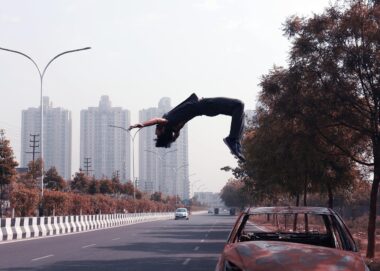
In the realm of parkour and freerunning, mastering breathing techniques serves as a crucial aspect that enhances overall performance. Proper breathing plays an essential role in maintaining stamina, focus, and control during different movements. When practitioners engage in rigorous physical activities, their bodies require adequate oxygen to function optimally. By learning how to control their breath, individuals can regulate their energy levels throughout their training sessions. Moreover, effective breathing techniques stabilize emotional responses, helping to alleviate anxiety during challenging maneuvers. This mental calmness is vital for executing movements with precision and confidence. While executing jumps or vaults, having a rhythmic breathing pattern aids in maintaining balance and fluidity in motion. Breathing also encourages better form; exhaling during lunges or landings can enhance stability and create smoother transitions in movements. Practicing breath control not only benefits physical execution but also promotes skill improvement, enabling freerunners to push their limits further. As individuals refine their mastery of breathing techniques, they experience heightened awareness of their bodies, which directly influences their parkour flow and creativity.
Enhancing Stamina and Performance
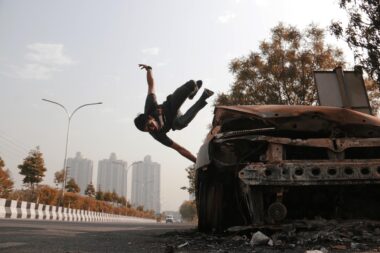
Another important aspect of breathing techniques in parkour is their direct contribution to stamina enhancement. Intense movements, such as flips and rolls, deplete energy significantly. If a practitioner fails to manage their breath during these motions, they may fatigue prematurely. Through practiced breathing exercises, athletes learn to deliver consistent oxygen intake, sustaining their energy levels throughout longer runs or training sessions. A vital breathing method involves inhaling deeply through the nose before engaging in strenuous activity and exhaling forcefully through the mouth during execution. This pattern ensures most oxygen reaches the muscles, aiding them in performing explosive movements efficiently. Additionally, controlled breathing helps to maintain endurance during prolonged sessions. By synchronizing breath with movement, individuals become more energy-efficient and less susceptible to exhaustion. This synergy promotes a smoother flow, allowing practitioners to work on creativity while eliminating unnecessary exertion. Practicing these techniques can also aid in recovery after intense workouts. Immediate application of proper breathing afterward may facilitate faster muscle recovery, proving that breath control is essential not only during movement but also post-activity.
Flexibility and body awareness are other essential components influenced by proper breathing techniques in parkour flow. When individuals focus on their breath during training sessions, it encourages a deeper mind-body connection. This connection increases overall awareness of physical movements. Enhanced awareness enables freerunners to navigate obstacles more fluidly, adapting their techniques to different environments or scenarios. Additionally, by pairing specific breath patterns with movements, practitioners improve their flexibility by promoting relaxation. For instance, exhaling during stretches or transitions can allow for deeper extension and better range of motion. This practice also reduces the risk of injury, ensuring that the muscles are prepared and relaxed when attempting more advanced moves or potential falls. Incorrect breathing during such techniques can lead to physical tension, which may ultimately hinder performance. Thus, encouraging proper breath control works synergistically with flexibility training. The result is a balanced blend of strength and agility, facilitating the creativity essential for expressing oneself within the parkour discipline. Hence, integrating breathing techniques into regular practice should become second nature for any aspiring freerunner.
Focus and Mental Fortitude
Parkour requires not only physical capabilities but also mental resilience. Breathing techniques can significantly contribute to enhancing focus and mental fortitude, thereby improving the execution of various parkour maneuvers. When the mind remains calm, individuals can concentrate better, assessing their surroundings and planning their movements with clarity and precision. Practicing breath control helps eliminate distractions and cultivates mindfulness, ensuring that athletes remain present during their practice sessions. Techniques such as meditative breathing or visualization while maintaining breath rhythm allow freerunners to develop greater situational awareness while performing skills. Mindfulness through breath also fosters stronger decision-making abilities; individuals can react effectively under pressure with improved clarity of thought. This aspect is crucial when confronted with challenging obstacles or daring jumps. Moreover, maintaining a focused mindset through breathing techniques reduces performance anxiety, empowering freerunners to approach difficult challenges with confidence. Regular practice can create a positive feedback loop where successful execution builds further self-assurance, enhancing creativity and flow in parkour performance. Hence, integrating mindful breathing into training regimens can unlock a freerunner’s true potential.
Incorporating breath control into a training routine isn’t only about exertion; it can also enhance recovery and relaxation techniques. After engaging in intense sessions, breathing exercises can help calm the body and mind. Techniques such as deep abdominal breathing or counting breaths can effectively lower heart rates and facilitate quicker recovery times. The post-training period is essential in the parkour discipline, as it determines how well the body recuperates and prepares for subsequent sessions. Engaging in conscious breathing following intense activities reduces muscle tension and soreness, reinforcing the importance of breath as part of a comprehensive training approach. Moreover, breathing techniques can enhance flexibility during cooldowns and stretches, aiding in muscle relaxation, which promotes a greater range of motion over time. This not only ensures optimal performance but also contributes to injury prevention. Consistent application of breath control post-training creates habits that translate into tangible benefits. This ongoing integration highlights breathing’s essential role throughout the entire parkour practice journey. Fostering these habits ensures that freerunners maintain their physical capabilities while honing their mental prowess.
Community and Social Connection
Yoga and mindfulness practices increasingly intertwine with parkour, creating an enriching community based on shared values of well-being. Breathing techniques play a pivotal role in this movement, as practitioners cross paths on their journeys of self-discovery and growth. In group settings, group breathing exercises and synchronization can foster a sense of camaraderie, ultimately reinforcing community bonds. These social connections are essential for motivation and inspiration, especially during challenging training sessions. By embracing breath control together, practitioners uplift one another as they navigate complex parkour techniques. Workshops or classes focusing on integration of breathing into parkour can further strengthen these community ties. In such environments, knowledge-sharing encourages personal growth, while collective experience cultivates momentum in improving skills together. This shared journey fosters creativity, allowing participants to experiment and innovate as they build off one another’s ideas. As a result, the entire parkour community becomes immersed in an atmosphere of collaboration and support. Building friendships through these connections not only enriches individual journeys but strengthens the collective spirit within the parkour discipline.
Emphasizing breathing techniques while engaging in parkour flow has transformative benefits for practitioners. Incorporating these practices into training equips athletes with tools to enhance their performance physically and mentally. The journey towards mastery necessitates persistence, discipline, and an open mindset. Embracing breath control allows freerunners to stabilize emotional responses, enabling them to face challenges with composure and confidence. These techniques foster resilience, flexibility, focus, and recovery, guiding practitioners through their journey of exploration and creativity. By consciously integrating breathwork into a holistic parkour training routine, individuals uplift their capabilities both on and off the ground. This approach bridges mental, physical, and communal aspects of the discipline, creating a rewarding experience. The enhanced flow achieved through consistent breathing practices solidifies parkour as a truly engaging performance art. As freerunners become increasingly adept at employing these techniques, they discover that parkour flourishes when combined with creativity and fluidity. Ultimately, these principles unite to create a fulfilling expression, reflecting one’s unique style in the world of parkour.