
Using Technology to Enhance Situational Awareness in Self-Defense
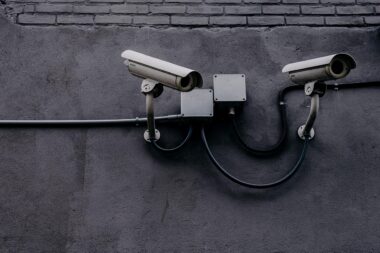
Situational awareness is a crucial component of self-defense training. It involves being aware of your surroundings, recognizing potential threats, and understanding how to respond effectively. In today’s digital age, technology offers various tools that can significantly aid in improving situational awareness. Mobile applications designed for personal safety can alert users of dangers or suspicious activities in their vicinity. Sensors installed in personal gadgets also serve as early warning systems, helping individuals to stay informed. Consequently, individuals can react proactively rather than reactively. Furthermore, wearable technology such as smartwatches and fitness trackers can be equipped with features that send signals in emergencies. These devices can share your location with emergency contacts, increasing your safety. Moreover, surveillance cameras accessible via smartphones enable real-time monitoring of environments, making it easier to identify threats. Integrating these technologies into daily routines not only bolsters personal safety but also fosters a sense of empowerment. Ultimately, exploiting accessible technology enhances one’s capability to respond appropriately to evolving situations and ensures a safer personal environment, particularly in urban settings.
Another technology that supports situational awareness in self-defense training is augmented reality (AR). AR applications can provide valuable information about surroundings by overlaying digital images onto the real world. Users can visualize threats, escape routes, and safe locations through simulated experiences. These applications can also deliver necessary self-defense techniques tailored to the user’s current environment. Moreover, video streaming platforms allow users to participate in live self-defense workshops held globally. This accessibility promotes community learning and sharing of practical tips that enhance situational awareness. Additionally, educational programs focusing on situational awareness can be made available through e-learning platforms. Always learning from experts in self-defense builds confidence and improves decision-making in stressful situations. Online communities dedicated to self-defense provide users with insights on the latest technologies used in self-defense training. They create a collaborative space for sharing experiences, which is essential for continuous learning. Embracing technological innovations empowers individuals to proactively manage their safety. Using these resources creatively leads to long-term confidence and preparedness. With ongoing advancements, situational awareness in self-defense training can only improve as technology evolves and integrates more effectively into personal safety practices.
In addition to applications and AR, the role of social media in enhancing situational awareness cannot be overlooked. Many platforms allow users to report suspicious activities, share safety tips, and provide alerts for local dangers. These decentralized networks act as valuable resources for individuals looking to enhance their awareness. This can expand the available pool of information, which may lead to faster responses during emergencies. Transitioning information in real-time equips users to make informed decisions. Moreover, technology can help create connected communities that focus on safety and awareness. Collaborating with trusted neighbors through dedicated networks or apps fosters a shared sense of responsibility. A strong community connection can discourage criminal activities, increasing overall safety. This combined use of technology and community involvement improves situational awareness, equipping individuals with vital information about their surroundings. Furthermore, encouraging group self-defense training sessions through technology allows for the sharing of best practices, encouraging participants to remain alert in everyday scenarios. Overall, technology, when leveraged effectively, enriches situational awareness, leading to safer living environments and increased personal security.
Equally important for enhancing situational awareness through technology is the use of personal alarms. These compact devices provide a loud sound that can deter potential attackers and draw attention from others nearby. Many modern personal alarms now come with smart features like GPS tracking and automatic alerts to law enforcement. The ability to quickly summon help can be invaluable during threatening situations. In the context of self-defense, blending traditional techniques with technological advancements creates a comprehensive approach to personal safety. Additionally, education on how to effectively use personal alarms and other tech tools forms an essential part of self-defense training. Participants must be informed about the best practices for deploying these devices in emergencies. Combining personal alarms with situational awareness allows individuals to feel safer in their communities. Moreover, practicing scenarios that incorporate these tools helps reinforce proper usage and builds confidence. Integrating technology in self-defense is not merely an option; it has become a necessity. By embracing these devices, individuals are better equipped to navigate risks and protect themselves if a confrontation occurs.
The Importance of Training and Practice
Training and practice are paramount for effectively improving situational awareness in self-defense. Even the most advanced technology is only as good as the person’s ability to employ it. Regular drills can familiarize individuals with their devices and ensure their effective use in unpredictable situations. Practicing responses with technology helps build muscle memory which is essential during emergencies. Incorporating role-playing scenarios using various technologies prepares users for real-world applications. This type of practical training helps to develop a heightened sense of awareness when entering different environments. Moreover, familiarity with technology reduces hesitation during critical situations, allowing for quicker reactions. Emphasizing the integration of technological tools into physical self-defense training fosters essential life skills. Self-defense is not solely about physical confrontation; it also requires strategic thinking, especially in avoiding dangerous situations altogether. Learning how to identify red flags, assessing surroundings, and planning escape routes enhances overall situational awareness. Ultimately, training should encompass both mental preparedness and the mastery of tech. Continued education and integration of technological enhancements ensure readiness, building confidence that can be invaluable in real-world scenarios.
Another crucial aspect of self-defense training is understanding the limitations of technology. While tools can significantly enhance situational awareness, they should not serve as a sole reliance for safety. Maintaining physical and mental preparedness is essential; users must be nimble and aware even if their technology is unavailable or fails. Additionally, overreliance on technology can lead to complacency, which can undermine situational awareness. Therefore, educators must emphasize the importance of traditional awareness techniques alongside technological tools. Balance between integrating technology and practicing conventional strategies promotes comprehensive training programs. Individuals should be taught to trust their instincts and make judgments about their environments devoid of excessive reliance on devices. It is also essential to recognize that situational awareness can vary by context and environment. Adapting to different situations requires flexibility and critical thinking at all times. Ultimately, technology serves as a valuable assistant, but it cannot replace essential human instincts. A thorough understanding of both strengths and weaknesses ensures a well-rounded approach to self-defense and situational awareness.
Lastly, as technology continues to evolve, the future of situational awareness in self-defense looks promising. Emerging innovations such as artificial intelligence (AI) can analyze vast amounts of data to predict potential threats. Custom applications powered by AI can learn users’ behavior patterns, providing tailored safety suggestions. These advancements expand the possibilities of enhancing situational awareness beyond traditional methods. Furthermore, integrating AI with real-time data from various sources could offer early warnings about potential dangers. This proactive approach has the potential to save lives and increase public safety. Nevertheless, navigating the implications of these technologies and addressing privacy concerns remains paramount. While AI can undoubtedly augment personal safety, ethical considerations must guide its development and implementation. Community transparency and ensuring responsible usage will ultimately determine public acceptance. As self-defense practitioners embrace these technological advances, it is essential to be mindful of maintaining a balance that upholds personal freedom and safety. Embracing both technological innovations and the principles of situational awareness will empower individuals to navigate complex environments confidently.