
The Ultimate Functional Training Routine for OCR Athletes
Obstacle course racing (OCR) has gained immense popularity, challenging athletes with unique demands for strength, endurance, and agility. Preparing for these races requires a dedicated functional training routine that mimics the unpredictable nature of the obstacles encountered. This routine should prioritize movements that engage multiple muscle groups while enhancing overall stability. Performing exercises such as burpees, box jumps, and tire flips will ensure that participants build the strength and cardiovascular fitness needed for OCR success. Additionally, it’s essential to include exercises that mimic specific race obstacles. Training should not only focus on strength but also on developing the quickness to navigate hurdles and the endurance to last through the entirety of the race. Building a well-rounded program that includes resistance training, speed work, and agility drills will provide a balanced approach essential for OCR athletes. Joining a community or group that focuses on OCR training can also enhance motivation and provide shared experiences. This article will delve further into the specific components required for a successful functional training routine tailored for OCR preparation.
Key Functional Training Exercises
When developing a functional training routine for OCR athletes, prioritizing compound movements is crucial. These exercises aid in building strength and coordinating muscle groups. Consider incorporating the following exercises into your regimen:
- Pull-ups: Excellent for enhancing upper body strength.
- Deadlifts: Focus on overall body strength and technique.
- Kettlebell swings: Great for improving explosiveness and cardio.
- Box jumps: Increase leg power and improve agility.
It’s essential to focus on mastering technique before progressing to heavier weights or faster repetitions. Progressive overload will ensure continuous gains, pushing your limits while reducing the risk of injury during training. Additionally, integrating high-intensity interval training (HIIT) sessions can help build the cardiovascular strength necessary for navigating the longer, more challenging OCR courses. Incorporate these exercises into your weekly training program, adjusting the repetitions and intensities based on your skill levels and training goals to help optimize your performance.
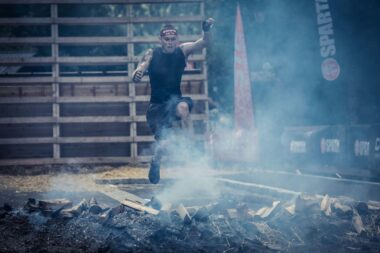
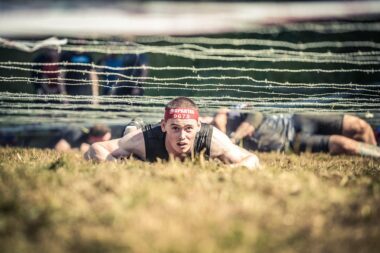
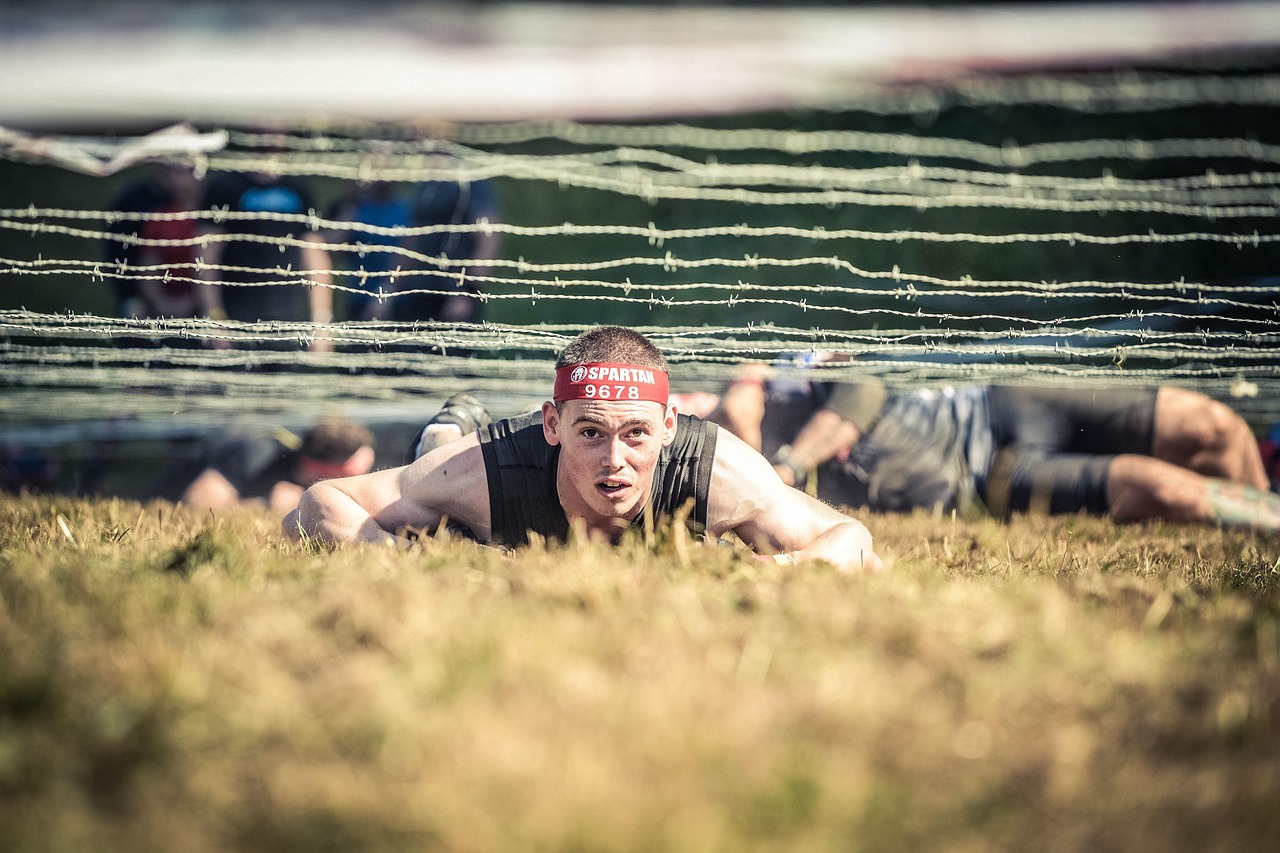
Incorporating outdoor workouts is vital for OCR training, as real race environments differ from gym settings. Training outdoors allows you to simulate racing conditions and challenges unique to OCR obstacles. Find opportunities to practice on hills, trails, and varied terrain, which will boost your agility and strength. Use nature to your advantage; climb trees, crawl under fallen branches, or leap over small ditches to mimic real obstacles. Another recommendation is to seek out local parks or recreation areas with climbing walls, monkey bars, and other functional equipment designed for agility training. Adjusting your workout environment may help develop mental resilience as you encounter the unpredictable elements present in OCR races. Remember, visualization is also a powerful tool. Imagine yourself overcoming challenges and obstacles, as mental preparation can be as important as physical training in OCR success. Always remember to track your progress, whether by logging workouts or maintaining a journal recording obstacles faced during practice, as this information will help you recognize growth over time.
Nutrition and Recovery
No training regimen would be complete without consideration for nutrition and recovery. Proper nutrition enhances performance and recovery times, making it essential for OCR athletes. Focus on a balanced diet rich in carbohydrates, proteins, and healthy fats. Carbohydrates are critical for providing the necessary energy required during intense training sessions and races. Consider including whole grains, fruits, and vegetables in your meals for optimized energy levels. Lean proteins, like chicken, fish, and legumes, will aid in muscle recovery and adaptation while healthy fats from sources like avocados and nuts provide sustained energy. Additionally, hydration should not be overlooked; water intake should increase in tandem with exercise intensity, so remember to stay hydrated throughout all training routines. Post-workout meals should ideally consist of a balance of carbohydrates and proteins to replenish energy stores and promote muscle recovery. Furthermore, adequate rest and sleep are vital components for performance improvement as they promote healing and overall wellness. Devote time to restorative practices like foam rolling and stretching to prevent injuries.
Choosing the right gear can significantly influence training outcomes for OCR athletes. Optimal footwear plays a crucial role in providing traction, stability, and comfort on various terrains. Look for shoes designed for obstacle course racing with features like aggressive treads, waterproof materials, and proper support for your feet. Additionally, consider investing in moisture-wicking clothing that helps manage sweat during intense training and races. Lightweight, breathable apparel keeps you comfortable and dry, allowing for optimal performance. Utilize resistance bands and agility ladders during training to increase strength, flexibility, and coordination. These accessories can mimic various movements needed for the race while adding an element of functional strength training. Ensure to include some form of resistance training in your program, as this is vital for overall muscle strength. Including specific tools like kettlebells or medicine balls allows athletes to work on explosive movements. Always keep safety in mind when selecting training gear as the ultimate goal is to prevent injuries while maximizing your efficiency and performance.
Building Mental Resilience
A significant part of excelling in obstacle course racing is building mental resilience. Adopting a strong mindset can dramatically impact performance during challenging times. Visualization and positive affirmations are effective tools in enhancing mental toughness for athletes. Imagine yourself completing various obstacles and achieving your race goals. This practice mentally prepares you to push through physical limits during the race. Regularly setting personal challenges and focusing on achievable goals can also build psychological resilience. Rather than simply racing against others, training can be framed as a personal journey. Celebrate your progress by rewarding milestones like personal bests in workouts or completing challenging courses without stopping, reinforcing a positive mindset. Additionally, practice mindfulness techniques, including deep breathing or meditation, to alleviate anxiety both in race day scenarios and during training. Remember that a resilient athlete is better equipped to adapt under pressure and navigate unexpected challenges. Engaging in activities that promote mental strength can improve overall performance. Consistency in practice, both physically and mentally, leads to decreased anxiety during competitions and more confidence on race day.
Participating in OCR-specific events is a vital component of strengthening your skills and preparing for race day. These events provide opportunities to test your training regimen in a live setting, allowing you to gauge performance realistically against competitors. Joining local OCR clubs or community groups can enhance your experience by connecting you with like-minded athletes who share your passion for racing. Participating in practice races helps simulate conditions similar to actual competitive settings, which improves adaptability to different challenges encountered. Additionally, many OCR community events feature practical workshops that educate you about technical skills necessary for racing performance. These workshops often include obstacle navigation and race strategies, which enhance awareness of techniques necessary for improved results. Document your race experiences and analyze your sections for future reference. Assessing your challenges, performance levels, and growth will provide invaluable insights for developing future training programs. As you prepare for the completion of your first OCR race, remember that adaptation and continuous improvement are the cornerstones of your success. Consistently push your limits, and victory will be yours.
Conclusion and Next Steps
In conclusion, a comprehensive functional training routine tailored for OCR athletes focuses on building strength, endurance, agility, and mental resilience. Incorporating compound movements, outdoor obstacles, proper nutrition, recovery, and appropriate gear supplements physical training. Beyond the physical preparation, building mental toughness will contribute significantly to your overall performance. Engaging with the OCR community provides support and motivation, further enhancing your journey. Every aspect of training matters, from your mindset to your physical readiness. Whether it’s perfecting your technique or adapting to varied terrains, remember that each small step counts toward your success. Document your progress, celebrate milestones, and remain flexible in adapting your training routine. Introduce variety in your workouts to keep yourself engaged while boosting your abilities. Lastly, always take time for recovery to ensure continuous improvement; this is paramount for longevity in the sport. With commitment and dedication, engage in this exciting path as you prepare for the next obstacle race, honing skills and fitness levels necessary for achieving your goals. Now is the time to embrace the challenge and strive towards your OCR journey!