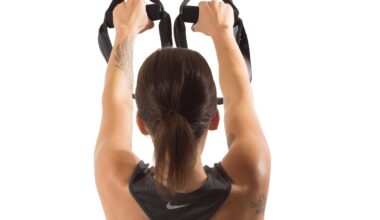

The Science Behind Stretching Straps and Muscle Elasticity
Stretching straps are a vital tool in the world of fitness and rehabilitation. They are designed to assist in stretching various muscle groups more effectively. These straps can enhance flexibility, improve muscle elasticity, and promote recovery. By using stretching straps, individuals can target specific muscle groups more easily. This method creates optimal conditions for muscle fibers to lengthen safely. The science behind stretching straps lies in their ability to facilitate static and dynamic stretching. When incorporated into a stretching routine, they allow for deeper stretches than one could achieve without assistance. Stretching straps come in various lengths and widths. This variety helps users tailor their stretches according to their body size and individual needs. Proper stretching technique can prevent injuries, increase range of motion, and enhance overall athletic performance. Additionally, they can be used in conjunction with other forms of exercise, such as yoga and Pilates. The versatility of stretching straps makes them suitable for all fitness levels. With their ability to aid in both warm-up and cool-down routines, stretching straps are indispensable for maintaining muscle health and flexibility.
Muscle elasticity refers to the ability of muscle fibers to lengthen and return to their original shape after a stretch. This property is crucial as it affects performance, stability, and injury prevention. There are several factors that influence muscle elasticity, including genetics, age, and training regimen. Stretching plays a significant role in enhancing muscle elasticity. When muscles are stretched, the elastic properties of the fibers improve over time. Using stretching straps facilitates a controlled stretching process that maximizes these benefits. As muscles stretch, they also experience increased blood flow, which is essential for muscle recovery and growth. Enhanced elasticity can lead to better athletic performance by improving agility and reducing resistance during movement. Athletes often include stretching routines with straps as they prepare for sports activities. Incorporating adequate stretching can significantly decrease muscle stiffness, ultimately allowing for more fluid motions. It can also target muscles that may not receive adequate attention during exercise, making it a comprehensive approach to fitness. Moreover, students of physical therapy utilize stretching straps to teach patients proper stretching techniques. This method ensures optimal results in recovery and overall muscle function.
Benefits of Using Stretching Straps
The benefits of stretching straps extend beyond just improved flexibility. One of the primary advantages is that they help individuals achieve deeper stretches safely. This is particularly beneficial for those lacking the necessary flexibility to do so independently. Stretching straps provide support and balance, allowing the user to maintain proper form during stretching. This reduction in risk of injury is vital for athletes and recreational users alike. Furthermore, stretching with straps can enhance proprioception, which is understanding one’s body position in space. This awareness is essential in preventing falls and maintaining good posture while exercising. Additionally, stretching straps can aid in rehabilitation settings for recovering athletes. By providing a controlled environment for stretching, they can help restore muscle function more effectively after an injury. Another notable benefit of stretching straps is their portability. They are lightweight and easy to carry, making them an excellent addition to any gym bag or travel kit. With the convenience of stretching straps, users can maintain their stretching routine anywhere, ensuring they maximize their flexibility and muscle elasticity consistently.
Incorporating stretching straps into a routine requires understanding proper techniques. It’s essential to have a clear grasp of how to use these tools effectively to reap the full benefits. One common mistake is to rush through stretches. Instead, users should adopt a methodical approach. Start slowly and focus on one muscle group at a time. Hold each stretch for at least 30 seconds to allow the muscles to adapt. Stretches should not be painful; achieving a comfortable sensation is vital. Moreover, users should alternate between static and dynamic stretches to promote muscle elasticity fully. Dynamic stretches prepare muscles for activity, while static stretches facilitate recovery. When using straps, attach them securely around the relevant body part, ensuring sufficient grip for comfortable stretching. It’s critical to maintain proper posture during each stretch, keeping a straight back and aligned spine. Moreover, individuals should engage their core muscles during stretching. This engagement helps prevent strain on the lower back. To keep the practice safe, users must listen to their body and adjust as necessary. Regular practice with proper techniques leads to lasting improvements in flexibility and strength.
Choosing the Right Stretching Strap
With many options on the market, choosing the right stretching strap can be confusing. Factors influencing your choice include material, length, and design. Look for a strap made from durable and comfortable materials, ensuring it will withstand regular use without wear. Nylon and cotton are excellent options that provide durability while maintaining flexibility. The length of the strap should be appropriate for your height; longer straps are beneficial for larger users, while shorter straps work well for petite individuals. Moreover, consider adjustable straps, which offer customization for evolving needs and abilities. Design features such as multiple loops or padded grips can enhance comfort and functionality. If you intend to transport the strap frequently, opt for a lightweight option that easily fits into gym bags. Additionally, reading customer reviews can provide insight into product performance and effectiveness. It’s also helpful to consult fitness professionals for recommendations tailored to specific stretching needs. Investing in a quality stretching strap is crucial, as it will enhance your flexibility routine. This equipment will last longer and deliver better results, making it a valuable addition to any exercise regimen.
While stretching straps provide numerous benefits, it’s essential to recognize common mistakes that users may inadvertently make. One frequent error is failing to warm up before engaging in stretching routines. A light aerobic activity stimulates blood flow, preparing muscles for stretching. Likewise, many users neglect to breathe deeply throughout their stretches, which can lead to unnecessary tension. Focusing on breathing aids relaxation and enhances the effectiveness of the stretch. Additionally, some individuals push themselves too hard, leading to overstretching and injuries. Stretching should always be a gradual process, respecting the limits of one’s body. Another mistake is performing stretches too quickly. Slow and controlled movements allow muscles to adapt and promote better elasticity. Furthermore, failing to consider flexibility imbalances can lead to incorrect focus on certain muscle groups rather than the entire body. A balanced approach to stretching ensures well-rounded muscle health and development. It might also be beneficial to incorporate guided stretching sessions, which can provide structure and direction in your practice. By sidestepping these common pitfalls, users can maximize their stretching straps’ effectiveness and achieve their fitness goals safely.
Conclusion
In conclusion, stretching straps play a pivotal role in promoting muscle elasticity and overall flexibility. Their design allows individuals to perform stretches more effectively and with reduced risk of injury. Employing this tool within a well-structured stretching routine enhances the benefits of stretching, such as increased range of motion and improved athletic performance. Understanding muscle elasticity and its importance is fundamental to appreciating the value of stretching straps. Users should commit to practicing proper techniques, selecting suitable straps, and avoiding common mistakes to maximize their experience. This ensures a safer, more beneficial stretching routine, regardless of fitness experience. Furthermore, the versatility of stretching straps allows them to integrate seamlessly into various exercise disciplines. From sports training to rehabilitation, these straps serve multiple purposes. Additionally, their portability promotes consistent use, helping users achieve their flexibility goals. Incorporating stretching straps into fitness regimens can lead to profound long-term benefits. Ultimately, by staying informed and committed to healthy practices, individuals can enhance muscle elasticity and physical performance. Stretching straps are a worthy investment in the journey towards improved physical health and well-being.