
Biomechanical Factors Influencing Animal Migration Efficiency
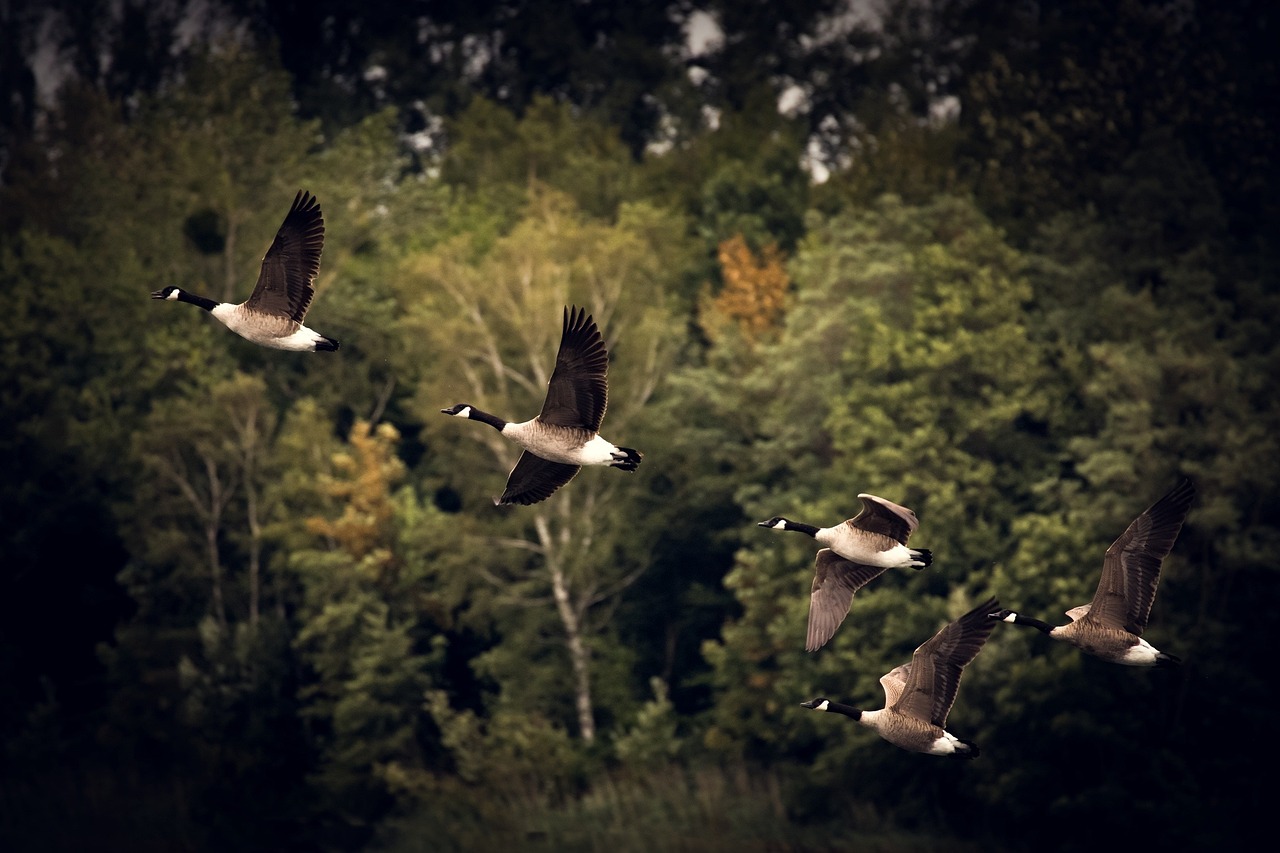
Migration is a vital behavior in many animal species, providing opportunities for reproduction, foraging, and climate adaptation. Biomechanics plays a crucial role in determining how efficiently animals migrate. Factors such as body size, structural adaptations, and energy expenditure significantly influence migratory success. For instance, some birds possess highly elongated wing shapes, which optimize aerodynamic efficiency, thereby supporting long-distance flight. Similarly, the morphology of terrestrial animals varies, enabling species like gazelles to navigate swiftly across vast terrains. The interplay between an animal’s physical characteristics and its environmental context is critical. Additionally, energy management during migration becomes a pivotal concern. Species have evolved various strategies to conserve energy while migrating, such as flying in V formations, which reduce drag. The effectiveness of these adaptations can dramatically impact species survival and ability to reach breeding grounds. Factors such as climate, habitat availability, and predator presence also dictate migratory patterns and efficiency. Understanding these biomechanical aspects can help researchers predict migration trajectories and design effective conservation strategies for vulnerable species.
Weather conditions pose another significant challenge affecting migration efficiency. Animals undertaking long migrations both require favorable winds and must tackle severe climatic events. For example, migratory birds often rely on specific wind currents for support during their journeys. Additionally, they need to navigate around inclement storms that could jeopardize their travel. In cases where birds face headwinds, their energy consumption can spike drastically, forcing them to reassess their routes. Moreover, the availability of food sources in specific stopover sites is key. Migratory animals rely on refueling at specific locations to gather strength for continued travel. When these sites are compromised due to habitat loss or climate change, the efficiency of their migration can drastically decline. Therefore, it is vital to monitor and safeguard critical habitats along migratory routes. Conservation efforts can protect not just the animals themselves but also their ecosystems. The integration of biomechanical understanding with ecological practices is essential for long-term survival. Research focusing on these intersections can illuminate more sustainable practices and highlight the importance of preserving animal migratory pathways.
Empirical Studies on Migration
Empirical studies on migration dynamics provide valuable insights into the influence of biomechanics on various species. Researchers utilize advanced technology, including GPS tracking and biometric sensors, to gather data on animal movements. These tools allow for precise measurements of speed, energy expenditure, and navigational patterns. Understanding these variables helps researchers link specific bodily characteristics with successful migration outcomes. For instance, studies have shown that larger wingspans correlate with enhanced flying efficiency in birds, enabling them to cover greater distances without excessive fatigue. Aquatic species, like fish, exhibit unique adaptations in their swimming biomechanics, facilitating fluid movement through water. Such studies are crucial in understanding how different species combat the challenges of migration when navigating across diverse landscapes. Further, comparative analysis among species highlights the diversity of adaptation strategies, offering insights into evolutionary trends. These studies contribute to broader ecological theories, enriching our understanding of species interactions with their environments. As migration continues to be affected by global changes, ongoing research plays a vital role in informing conservation practices and policies aimed at protecting these vital behaviors.
Biomechanical efficiency is also profoundly influenced by social structures among migratory species. For instance, many birds migrate in flocks, which offers several advantages, including improved aerodynamic performance and enhanced navigation. Flocking behavior allows individual birds to save energy by riding the slipstream produced by their neighbors. This dynamic relationship among group members demonstrates how social interactions can impact the overall success of migration. In contrast, solitary migrators face different challenges. For example, species like monarch butterflies undertake long journeys alone, relying solely on internal navigational cues. While some individuals are capable of stunning feats, their efficiency may over time be impacted by their isolation. Social learning can also play a role; young migrators often learn routes from older, experienced individuals, which can improve their chances of a successful journey. Understanding these social variations offers a richer, more nuanced view of migration efficiency. Studying the implications of social dynamics combined with biomechanics provides invaluable insights into adaptive behaviors. As researchers explore these complex interactions, they improve our appreciation for the interconnected nature of migration.
Impact of Anthropogenic Changes
Anthropogenic changes significantly impact animal migration patterns and efficiency. Urbanization, habitat destruction, and climate change have disrupted traditional migratory routes. Animals now face numerous obstacles, such as artificial barriers, which can complicate their journeys. Roads, buildings, and other developments serve as impediments, deterring animals from reaching essential feeding or breeding grounds. Additionally, climate change results in shifting temperatures and altered food availability, affecting the timing and success of migrations. Migratory cues, such as day length or temperature fluctuations, are rapidly changing, leading to mismatches in the availability of resources for arriving animals. Furthermore, the disruption of seasonal cycles can lead to poor migratory timing, ultimately affecting reproductive success. Conservation strategies that encompass biomechanical principles, therefore, become increasingly necessary. Protecting migratory pathways, enhancing connectivity, and guaranteeing the availability of critical resources can significantly improve migration efficiency. Efforts to mitigate the effects of climate change are crucial to preserving these natural phenomena. As researchers grapple with these challenges, a multi-disciplinary approach will help ensure that migratory species thrive amid evolving environments.
Policy implications stemming from the understanding of biomechanics in migration are essential for future conservation efforts. As researchers uncover the intricate relationships between biomechanics, migration, and environmental factors, policymakers must respond accordingly. By integrating scientific findings into effective management strategies, we can facilitate better outcomes for migratory species. For instance, creating protected areas along migratory routes and improving landscape connectivity can support the survival of these species. Moreover, comprehensive monitoring programs can provide essential data for adapting conservation measures to changing conditions. Public awareness campaigns also play a vital role in emphasizing the importance of migratory routes and habitat preservation. Incorporating community input can create a sense of ownership over conservation efforts. Furthermore, interdisciplinary collaborations between ecologists, biomechanists, and policymakers can result in more robust conservation frameworks. Sustainable practices, such as responsible land use planning and habitat restoration, are integral to facilitating successful migration. Overall, a diverse range of stakeholders must work together to protect these critical environmental processes, ensuring that animal migration continues as a vital aspect of biodiversity.
Future Directions in Research
Future research in comparative biomechanics and animal migration must focus on integrating diverse methodologies and technologies. Advancements in genetic analysis, remote sensing, and big data analytics open invaluable avenues for understanding migration patterns. Emerging technologies such as drones and bio-logging devices can provide profound insights into real-time animal movements and biomechanical performance. These tools enable researchers to gather extensive data on how various factors, including climate and habitat conditions, affect migratory efficiency. Additionally, interdisciplinary studies that blend biomechanics with ecology, genetics, and behavioral science can yield holistic insights into migration. Research could explore novel strategies for mitigating the impacts of anthropogenic changes on migration efficiency. By fostering innovative approaches, scientists can identify adaptive solutions for future challenges. As we better understand migration mechanics, it becomes possible to craft policies that reflect the intricate balance of nature. Ultimately, the goal should aim not only to understand animal migrations but also to ensure the resilience of migratory populations amid ever-changing environmental conditions.
In summary, biomechanics is fundamental to understanding the complexities of animal migration. Various factors shape the efficiency of migration, including environmental influences, physiological adaptations, and social dynamics. With anthropogenic changes threatening migratory patterns, research is imperative for informing conservation strategies. By leveraging modern technologies and interdisciplinary collaboration, we can gain deeper insights into migratory behaviors. This knowledge can lead to practical actions that promote habitat protection and restoration, ensuring migratory species’ long-term survival. As scientists investigate biomechanical principles, integrating social and ecological aspects will enrich our comprehension of animal migrations. Ultimately, fostering a multi-dimensional perspective on migration enables us to appreciate its significance within ecosystems. As stewards of the environment, we bear the responsibility to safeguard the pathways that allow life to flourish and adapt. The interplay between species and their surroundings serves as a reminder of the intricate web of life. Through continued study and proactive measures, we can ensure that future generations will witness the wonders of migration, reflecting the resilience and adaptability of wildlife across the globe.