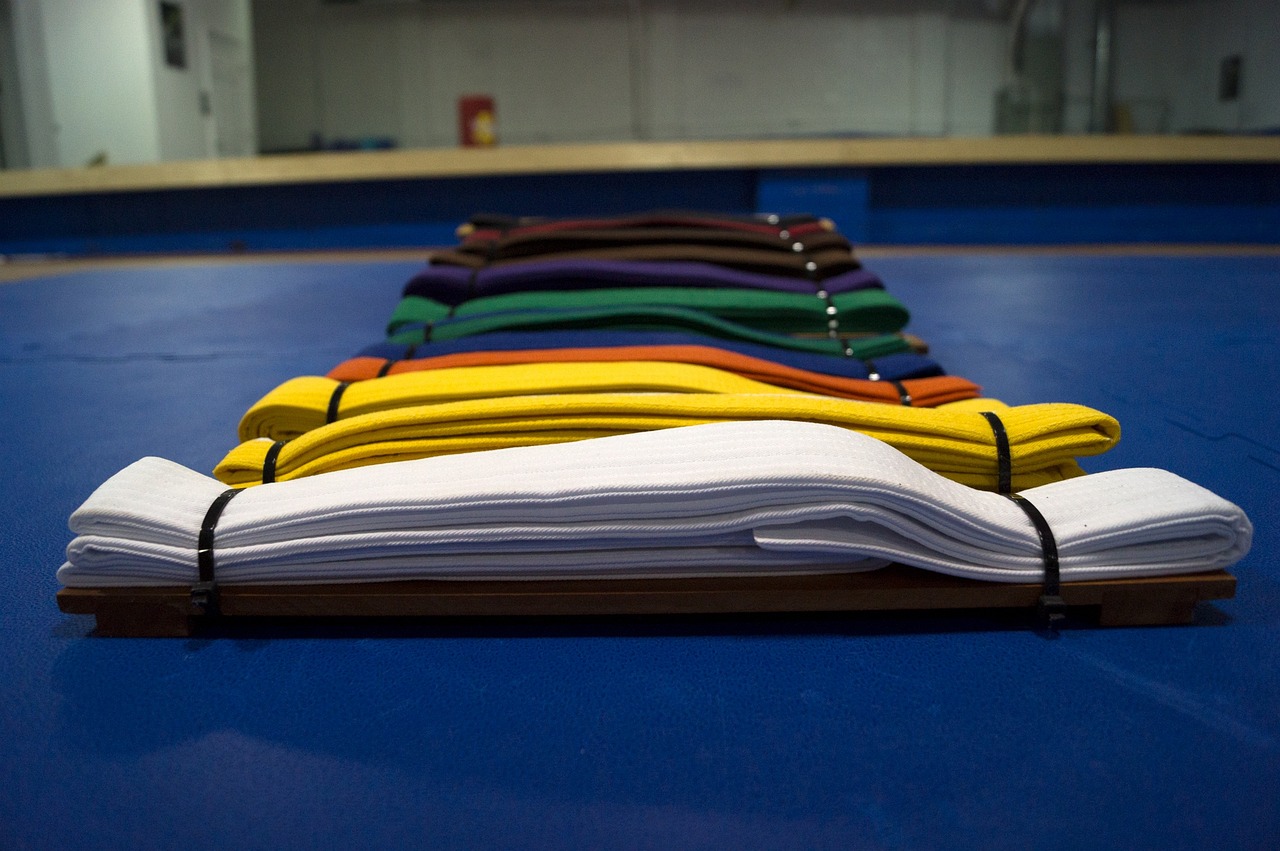

The Role of Belts and Sashes in Martial Arts Uniforms
Martial arts uniforms are not merely clothing; they are emblematic of a practitioner’s journey. In many martial arts, the belt or sash signifies rank, experience, and dedication. It serves as a tangible reminder of the skills learned and the effort expended in training. Color-coded systems are prevalent in disciplines such as Karate and Judo, where each hue represents a specific level of proficiency. These belts also foster motivation, encouraging practitioners to set and achieve goals. As students progress, the transition to a higher belt instills a sense of pride and accomplishment that boosts confidence. But the significance of these accessories extends beyond recognition. Belts also hold the uniform together, adding a practical aspect to the attire. This dual role—identifier and functional accessory—shows the thoughtful design behind martial arts clothing. An understanding of the role belts and sashes play offers insight into martial art forms and their traditions. Whether a beginner or a seasoned veteran, the respect for these symbols is paramount and enriches the martial arts experience.
The color of a martial arts belt tells a story, representing various stages of learning and mastery. Traditionally, beginners wear a white belt, symbolizing purity and the start of a journey. As practitioners develop skills, they progress through colored belts; each color denotes a different level of achievement. For instance, in Karate, the transition from white to black encapsulates years of dedication and hard work. Black belts aren’t the end but signify readiness for deeper knowledge and mentorship roles. Different styles have unique belt systems, but generally, most follow a similar journey from novice to expert. This progression is motivating, pushing students to train intensively. Additionally, the ritual of ceremonies to award belts strengthens community ties. Regular belt examinations also add structure, pushing martial artists to prepare thoroughly. The moment of receiving a new belt can be transformative, infusing students with pride and vigor. These colors can generate camaraderie while also emphasizing individual determination and growth. Hence, the role of belts transcends function, instilling values of respect, commitment, and perseverance within martial arts practitioners.
Belts and sashes also play an essential role in the visual identity of martial arts styles. Each discipline may have unique colors or patterns representing its cultural roots and traditions. The distinct colors and styles can help distinguish between various martial arts, such as Taekwondo, Brazilian Jiu-Jitsu, and Aikido. Sashes are commonly utilized in softer martial arts, emphasizing elegance while still signifying rank. In addition to color, the way a belt is tied—such as the left over the right—carries symbolic significance in many martial arts. Properly tying a belt is crucial, as it is often viewed as a ritual that enhances focus and discipline. Moreover, many practitioners share stories and sentiments related to their belts, further deepening the connection to their uniforms. Therefore, beyond physical aspects, these accessories obtain a spiritual resonance in martial arts. Uniforms serve as a canvas to express one’s martial arts identity while promoting respect for others. This relationship between attire and identity cultivates an environment supportive of growth, respect, and appreciation of martial arts as a holistic practice.
Practical Considerations in Belt Selection
When choosing a belt for martial arts practice, several practical considerations come into play. The material, width, and length of the belt vary based on personal preferences and school requirements. Typically, belts are made from cotton or polyester, affecting durability and comfort. A wider belt often provides more support and can be advantageous during grappling or striking activities. It is essential for practitioners to select the correct length as well; a belt that is too long may be cumbersome, whereas one that is too short can hinder movement. Additionally, visually appealing patterns or custom embroidery can personalize a belt, making the ownership experience even more special. Brands and suppliers of martial arts equipment often offer various options tailored to different styles or preferences. Consulting instructors regarding suitable belt choices can provide guidance to beginners. Furthermore, taking care of the belt, such as regular washing and proper storage, is vital. Maintaining the belt’s condition not only prolongs its life but also shows respect for the practitioner’s accomplishments. Through consideration of these factors, martial artists can enhance their training experience and uniform satisfaction.
The journey of a martial artist transcends physicality, often becoming a mental and spiritual endeavor. Belts and sashes symbolize this journey, acting as reminders of goals fulfilled and higher aspirations. Beyond rank, they reflect a community of practitioners dedicated to mastering their art. This shared journey creates bonds among students, instructors, and even family members supporting martial arts endeavors. When one observes a fellow practitioner’s belt or sash, it evokes respect for their discipline and commitment. In various martial arts traditions, the belt can serve additional roles, such as awards for exceptional performances in competitions or demonstrations. Such accolades, borne out of hard work and perseverance, reinforce martial principles. A black belt, for instance, is frequently seen as a lifetime commitment to learning rather than an endpoint. This shift in perspective fosters humility, encouraging martial artists to consistently grow. The experience cultivated through these objects enriches their practice and personal journey. Thus, belts and sashes serve dual purposes: identification markers that signify expertise and continual reminders of the essence of martial arts—a lifelong path of growth and enrichment.
Cultural Significance and Symbolism
The significance of belts and sashes extends beyond functionality and aesthetics; they often embody deep cultural meanings. In many martial arts, these accessories draw inspiration from historical and philosophical texts, intertwining with martial values such as respect, honor, and camaraderie. For instance, colors may represent elements or virtues like peace, strength, or resilience, lending each practitioner’s journey a narrative quality. Furthermore, rituals associated with receiving a new belt often involve significant ceremonies acknowledging the hard work put into training. Participants might share stories, enhancing the communal spirit that flourishing martial arts clubs often embody. In this context, belts can be seen as connectors to a lineage, demonstrating respect for predecessors and teachings. They act as conduits linking past, present, and future practitioners through shared experiences. When martial artists don their uniforms, including belts, they proudly carry the weight of history, making the experience multifaceted. The respect shown for these items fosters personal and community growth, enriching the journey of martial arts. Understanding these attributes elevates the meaning of a martial arts practice beyond physical training.
In summary, belts and sashes are indispensable components of martial arts uniforms, holding profound meanings that enrich a practitioner’s journey. They signify levels of achievement while encouraging motivation and commitment. These striking accessories represent identity, values, and communal ties, providing a link between practitioners, their teachers, and martial arts history at large. The thoughtful design of martial arts uniforms, including colors and styles, reflects the traditions that shape each discipline’s character. Practical considerations in selecting the right belt enhance the training experience, underscoring the importance of personal attachment to these items. Moreover, the belts’ cultural significance invokes respect for the art’s philosophies and emphasizes the mental and spiritual journey of practitioners. As students progress, stories around their belts strengthen camaraderie through shared experiences, creating a richer martial arts community. Ultimately, one’s belt or sash becomes a cherished symbol, embodying the martial arts journey marked by perseverance, growth, and respect for the craft. Understanding and appreciating the roles of these accessories can deeply enhance the martial arts experience, making it more meaningful for practitioners of all levels.