
Snorkeling vs Scuba Diving: What You Need to Know
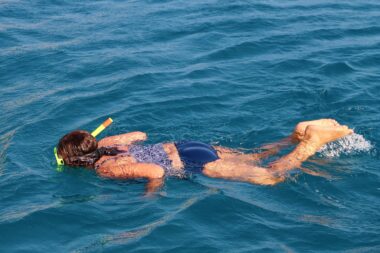
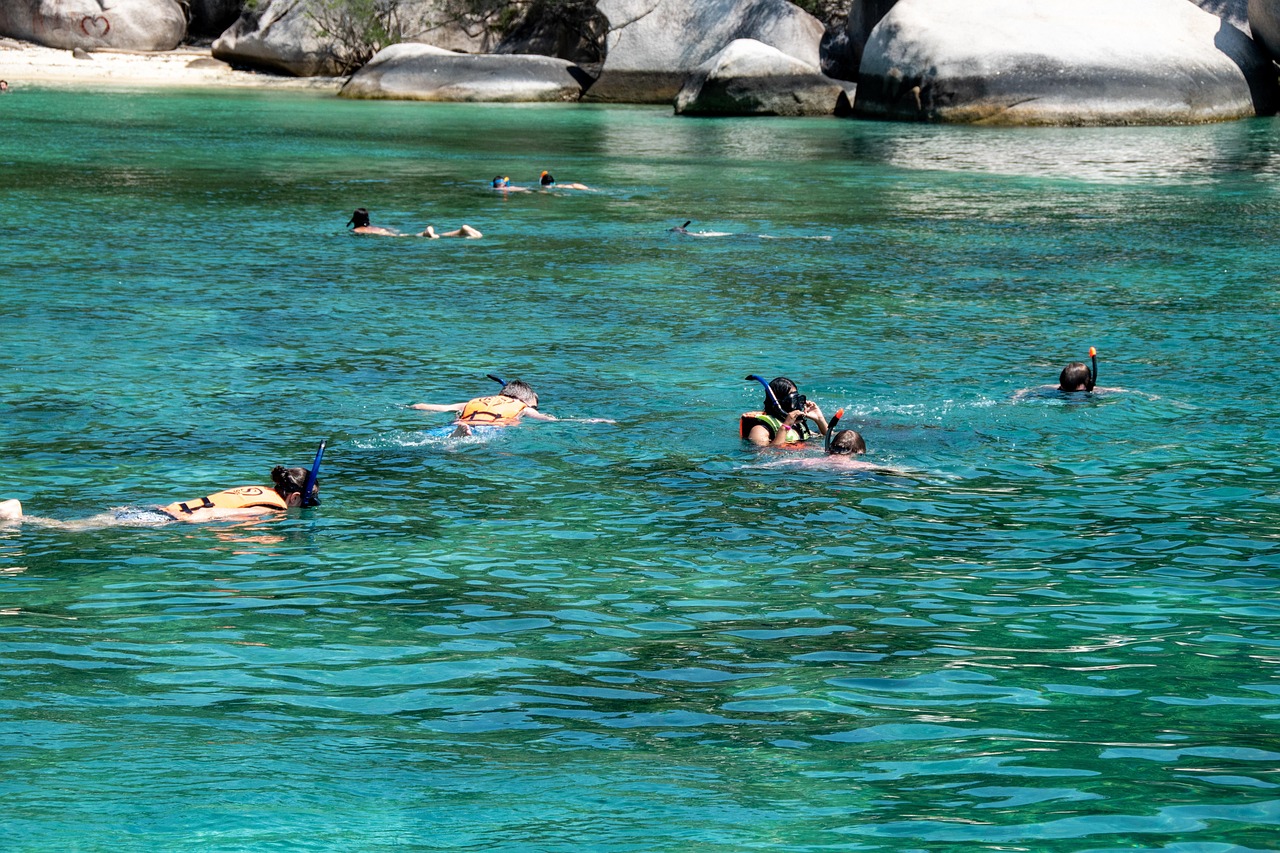
When delving into the fascinating world of underwater exploration, many enthusiasts find themselves at a crossroads between snorkeling and scuba diving. Both activities promise incredible experiences, offering unique perspectives of marine life and vibrant ecosystems. Understanding the key differences can help adventurers determine which option is best suited for their interests, skills, and desired underwater encounters. Snorkeling, often seen as the simpler option, involves floating on the surface while breathing through a tube, allowing for easy observation of shallower reefs and aquatic creatures. Conversely, scuba diving allows participants to explore deeper waters unhindered by surface limitations, providing direct interaction with a wider range of underwater species. Each activity requires varying degrees of preparation and equipment, which may also influence an individual’s choice. In this article, we will explore the essential components, skills, and experiences associated with snorkeling and scuba diving. From gear considerations to safety protocols, readers will gain a clearer understanding of both sports and how they cater to diverse preferences and skill levels.
Understanding the Gear
Equipment is a fundamental aspect of both snorkeling and scuba diving that aspiring adventurers must consider. For snorkeling, the essential gear includes a mask, snorkel, and fins, which provide the basic tools for surface exploration. Masks create an airtight seal and allow snorkelers to see underwater, while snorkels facilitate breathing without submerging the entire head. Additionally, required snorkeling gear often includes wetsuits or rash guards for sun protection and thermal insulation. Scuba diving, on the other hand, necessitates a substantial investment in gear that permits exploration beyond the surface. This includes a scuba tank, regulator, buoyancy control device (BCD), and diving suit, which together create a safe underwater experience. The responsibilities of divers extend to maintaining their equipment to guarantee safety and effectiveness underwater. Knowing the differences in gear, along with costs associated with purchasing or renting equipment, can significantly influence a person’s choice between snorkeling and scuba diving. Ultimately, the choice of activity will depend on individual comfort levels, commitment to learning about the equipment, and the eagerness to explore underwater environments.
Another key aspect to consider in the snorkeling versus scuba diving debate is the required training. Snorkeling generally does not require any formal training or certification, making it an accessible option for people of all ages and skill levels. It is relatively straightforward, requiring only a basic understanding of how to use the mask, snorkel, and fins. Most people can learn to snorkel in less than an hour, allowing for immediate enjoyment of underwater views. Scuba diving, however, is a more complex and demanding undertaking that requires thorough training and certification through accredited organizations like PADI or SSI. Training covers essential topics, such as safety protocols, underwater communication, and equipment usage, which not only allows for deeper exploration but also enhances overall safety. The commitment to diving courses varies depending on the desired certification level, with basic programs typically taking several days to complete. As a result, many people may choose snorkeling for casual excursions, while scuba diving becomes a dedicated pursuit for those wishing to immerse themselves in the underwater world long-term.
Safety Considerations
Safety is a paramount consideration whether choosing to snorkel or scuba dive, as both activities come with inherent risks. While snorkeling is generally safer due to its low complexity and proximity to the surface, some hazards still exist, such as environmental factors like tides, currents, or marine life encounters. It is crucial for snorkelers to practice awareness and follow guidelines such as staying close to designated areas, using a buddy system, and keeping an eye on local weather conditions. Scuba diving involves additional risks that require increased attention to safety protocols. Divers must remain educated about decompression sickness, air consumption, and the importance of equalizing pressures while descending and ascending. Proper training enables divers to understand and mitigate these risks effectively. A pre-dive safety check of equipment, adherence to dive plans, and continuous monitoring of one’s health and comfort levels play significant roles in ensuring adventure and safety. Understanding each sport’s risks and safety practices is essential, thus making informed decisions and prioritizing safety both above and underwater.
Another important difference lies in the unique experiences each activity offers. Snorkeling tends to provide a more relaxed atmosphere, allowing participants to glide effortlessly over spectacular coral reefs, vibrant fish schools, and various marine creatures without the burdens of extensive equipment. This makes snorkeling ideal for family outings, casual trips, or vacation adventures. On the other hand, scuba diving offers a fuller immersion into the underwater environment, given the ability to explore deeper sites, such as caves, wrecks, or exotic marine habitats. Diving experiences range from exhilarating to serene, revealing hidden ecosystems that are inaccessible to snorkelers. Both activities provide opportunities for wildlife encounters, but scuba diving often affords access to larger species, like sharks or rays. Each experience is distinctive, appealing to various personal tastes regarding adventure, thrill, and exploration. Ultimately, one’s choice between snorkeling and scuba diving should align with desired experiences and comfort levels within the underwater realm.
Environmental Impact
As the popularity of snorkeling and scuba diving continues to rise, environmental considerations become increasingly relevant for both activities. Snorkelers, while less intrusive to marine ecosystems, still have the potential to cause damage to coral reefs and aquatic habitats. From touching marine life to trampling delicate coral formations, snorkelers should prioritize responsible behaviors to minimize their impact. Utilizing proper techniques such as swimming over reefs rather than directly above them, and using reef-safe sun protection can make a significant difference. Scuba diving, although allowing for deeper exploration, poses more complex environmental concerns. Divers must be aware of both their physical presence and their gear, as poor buoyancy control can lead to unintentional damage to fragile environments. Staying within designated dive zones, participating in conservation initiatives, and advocating for marine protection are essential steps divers can take to mitigate their impact. By understanding the responsible practices needed for both snorkeling and scuba diving, adventurers can protect aquatic ecosystems while enjoying the wonders of the underwater world.
Lastly, the overall cost associated with both snorkeling and scuba diving can influence one’s decision. Snorkeling generally leads to lower expenses, as the necessary equipment is simpler and often available for rent or purchase at affordable prices. Many beaches and resorts offer snorkeling gear rentals at minimal costs, enabling casual enjoyment without significant financial commitment. A complete snorkeling setup can be acquired for a reasonable price, making it an attractive option for families and beginners alike. Scuba diving, however, tends to incur substantially higher costs. Aside from the investment in gear, diving courses, and certifications require further financial commitment. Additionally, boat trips to dive sites may also contribute to the expense. While the return on investment for a dedicated diver can be worthwhile, many novices may initially hesitate to pursue scuba diving due to the costs involved. Ultimately, when weighing snorkeling against scuba diving, it’s crucial to evaluate both enjoyment and affordability while making your final choice.
Conclusion
In conclusion, snorkeling and scuba diving each present unique opportunities to experience the beauty of underwater worlds, catering to varying skill levels and preferences. Snorkeling offers an accessible, relaxed introduction to marine exploration, while scuba diving invites adventurers to discover the depths of aquatic environments. The choice between the two activities ultimately depends on individual interests, budget, and commitment to skills and safety practices. Prospective participants should consider their aquatic ambitions, whether casual exploration of reefs or the thrill of venturing into deeper waters. Whichever path you choose, both snorkeling and scuba diving provide unparalleled access to breathtaking marine life and ecosystems. Engaging with the ocean offers a chance to connect with nature and develop a strong appreciation for the importance of marine conservation. Regardless of your decision, it’s essential to prioritize safety, environmental responsibility, and respect for marine habitats. Equip yourself with knowledge and prepare for an unforgettable adventure beneath the waves, where stunning underwater landscapes and experiences await.