
Wearable Devices and Their Influence on Sports Performance Metrics
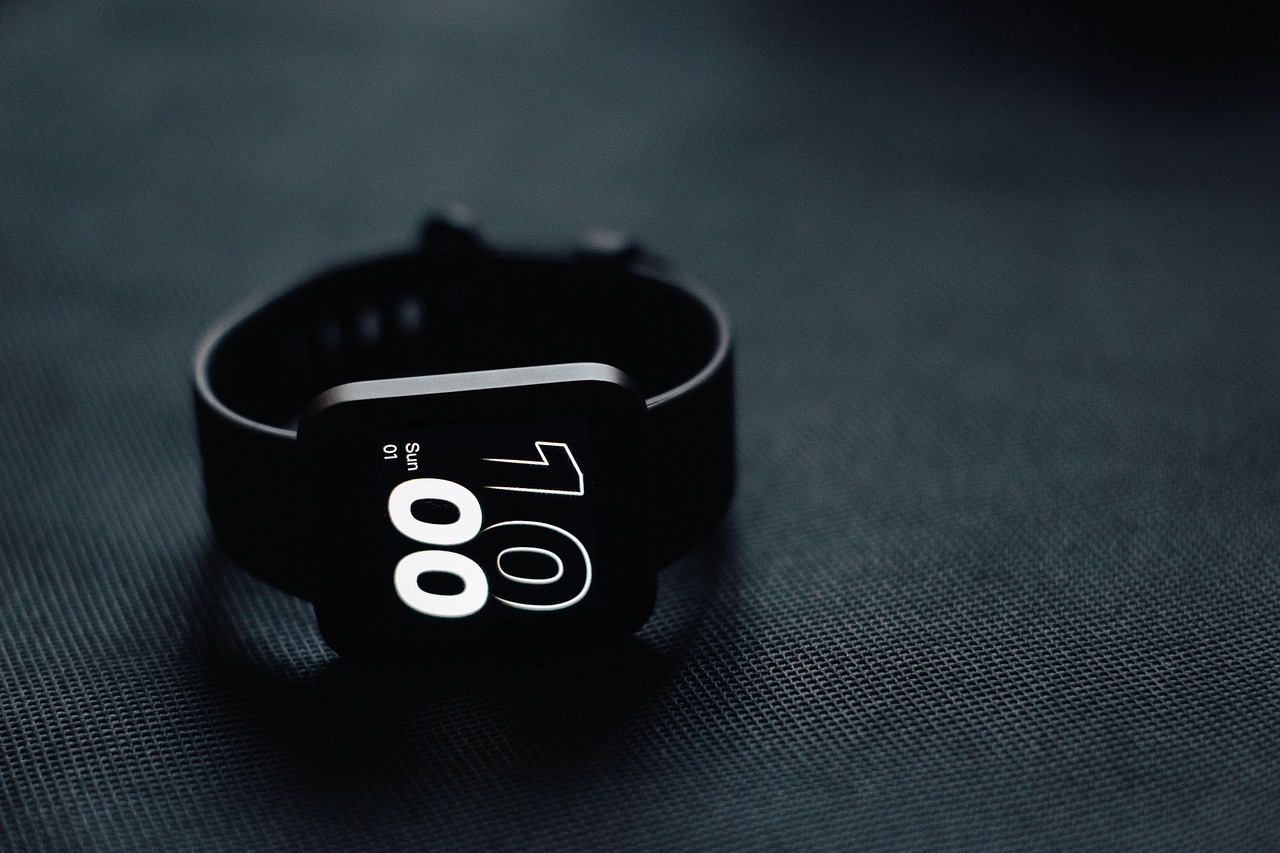
Wearable devices have revolutionized the landscape of sports analytics, allowing athletes and coaches to gather critical data in real-time. These devices, often equipped with sensors and advanced technologies, monitor various performance metrics such as heart rate, speed, distance, and fatigue levels. The use of wearables extends beyond tracking physical activity; they also provide insights into an athlete’s overall performance conditioning. Coaches can adjust training regimens based on the data collected, leading to enhanced training effectiveness. Furthermore, players often benefit from immediate feedback, enabling them to modify their techniques on the fly. This instant data creates a more responsive training environment, as modifications can occur in real-time rather than waiting for post-game analysis. An increased understanding of an athlete’s body metrics can prevent injuries by allowing for timely interventions. The integration of these wearables leads to a comprehensive athlete profile, which can also establish a baseline for long-term performance tracking. In summary, wearable devices give athletes a significant technological advantage, enhancing performance metrics and fostering a culture of data-driven training.
Beyond traditional methods, wearable technology has pushed sports equipment performance analytics to new heights. Coaches and trainers now rely on sophisticated metrics derived from wearable data to refine strategies and optimize training. For instance, initial tracking of heart rate variability can indicate an athlete’s recovery state, guiding decisions on when to push harder or rest adequately. This information is crucial during intense competitions where performance peaks are necessary. Additionally, wearables collect biomechanical data such as gait analysis or kinematic variables, further informing alterations in athletic training. Such adjustments contribute to fine-tuning skills while minimizing the risk of injury. The blend of technology and performance analysis fosters an adaptive training culture, ensuring that athletes can advance their skills systematically based on empirical evidence. Moreover, sports teams utilize collective data analysis to evaluate performance trends, developing strategies around opponent weaknesses. Athletes are learning to navigate their competitive landscape with this valuable information, which elevates overall competitive standards. Thus, the ability to leverage these advanced metrics not only refines individual performance but also fosters team collaboration in developing shared competitive strategies.
Enhancing Performance Through Data Acquisition
The introduction of real-time data acquisition through wearable devices has substantially changed how athletes approach both training and competition. With this technology, athletes can receive feedback almost instantly, leading to significant improvements in performance. Data collected during training sessions can reveal insights into pacing strategies, effort levels, and efficiency. By analyzing these metrics, athletes can identify specific areas for improvement, allowing them to tailor their training programs according to their needs. Furthermore, the integration of data analytics in sports creates opportunities to quantify progress and set achievable targets. Continuous performance evaluation fosters a growth mindset, encouraging athletes to strive toward personal bests. Coaches can also utilize this data to enhance team dynamics by promoting collaborations based on shared metrics. Additionally, these insights are invaluable for sports scientists and physiologists, who can craft evidence-based interventions tailored to individual athlete requirements. This meticulous approach extends to injury prevention by monitoring loading patterns and fatigue levels, identifying warning signs before injuries occur. Thus, the synergy between wearable technologies and data acquisition enhances performance metrics, leading to optimal outcomes.
Wearable technologies are not just one-dimensional; they encompass various devices designed for diverse sports activities. Examples include heart rate monitors, GPS trackers, and accelerometers, all contributing uniquely to analytics. Athletes can benefit from multiple devices that offer specialized insights depending on their specific sports. For example, runners might prioritize GPS trackers for distance and speed metrics, while cyclists could emphasize power outputs and cadence measurements. In team sports, devices may capture collective performance metrics essential for team strategy development. This multifaceted approach enriches the data pool available for analysis. Innovations in wearable technologies are also evolving, enabling the collection of even more precise biometric data. Future devices may include sensors that monitor hydration levels or muscle tension, providing deeper insights into athletic performance and preparedness. Advances in comfort and usability make wearing these devices more practical for daily training. As these technologies become more prevalent in sports equipment performance analysis, their implications for athlete health and performance will continue to expand. Outfitting athletes with comprehensive data-rich wearables will cultivate an informed training culture, enhancing sports performance metrics.
Challenges in Accurate Data Collection
Despite the advantages of wearable devices in sports analytics, there are still challenges related to accurate data collection and interpretation. One primary concern is ensuring the reliability and validity of the data generated by these devices. Not all wearables are created equal; discrepancies in accuracy can lead to misleading metrics. For instance, variations in sensor quality, device calibration, and environmental factors might distort readings. Additionally, athletes may experience discomfort or interference with their performance due to wearables, potentially affecting the data collected. The integration of multiple data sources can complicate the interpretation, as it requires sophisticated analytics capabilities to synthesize diverse metrics into coherent findings. Furthermore, the responsibility lies not just with athletes but also with coaches and sports technologists to understand the limitations of the devices in performance assessments. Misinterpretation of data could lead to flawed training strategies, ultimately affecting performance outcomes. Thus, there is a need for continuous improvement in wearables, encompassing both hardware reliability and the sophistication of the analytics platforms used. Addressing these challenges is critical for fully realizing the potential of wearables in sports performance metrics.
In addition to enhancing performance metrics, the impact of wearable devices extends to athlete health and well-being. As sports analytics incorporate these technologies, practitioners can monitor key health indicators that influence overall athletic performance. Proactive health management enables early detection of potential health issues, such as overtraining or fatigue-related declines. This capability is essential in maintaining an athlete’s physical integrity throughout demanding competition schedules. Another dimension is mental wellness, where wearables can track physiological responses to stress during competition, offering insights into an athlete’s mental readiness. When fatigue levels and stress metrics are monitored, it allows healthcare professionals and coaches to address both physical and mental aspects of training. Strategies can then be implemented to optimize performance while safeguarding athletes’ well-being. As the focus sharpens on holistic athlete management, integrating mental and physical performance data will lead to more effective performance training. Consequently, the overall influence of wearables shapes not just how athletes perform but also how they feel during training and competition, highlighting the profound importance of athlete health.
Looking Ahead: The Future of Wearables in Sports
The future of wearable devices in sports analytics is promising, with ongoing advancements poised to redefine performance metrics further. As technology continues evolving, we can anticipate more compact, efficient, and precise wearables that athletes can comfortably utilize during practices and competitions. Innovations such as smart fabrics embedded with sensors could provide seamless data collection, opening new avenues for performance insights without compromising the athlete’s comfort. Future developments may include artificial intelligence and machine learning algorithms that analyze complex data streams, offering personalized training regimens based on an athlete’s specific physiological responses. As more data becomes available, the potential for predictive analytics will rise, enabling coaches to foresee performance variables based on historical trends. Furthermore, collaboration between tech firms and sports organizations may propel innovations in wearables, enhancing their effectiveness in various environments and conditions. As investment in sports technology grows, so too will the understanding of how these metrics influence athlete development. In conclusion, the intersection of technology and sports analytics will pave the way for a revolutionary era in how athletes enhance their performance metrics and competitive edge.
In summary, the integration of wearable devices into sports performance metrics holds transformative potential. The ability to gather, analyze, and act on data not only enhances individual athlete performance but also reshapes team strategies across various sports. As athletes embrace technology, the access to real-time performance metrics enables data-driven training approaches. Coaches who interpret these insights can maximize each athlete’s capabilities while fostering a culture of continuous improvement. Moreover, as wearables evolve in terms of accuracy and functionality, their influence on athletic training and wellness will only deepen. The focus on a holistic approach ensures that athletes are not just their physical selves but also mentally prepared for competition. Continued advancements are expected to drive further innovations in sports analytics, paving the way for the next generation of wearables. In a sports environment characterized by rigorous competition, the adoption of such technologies holds critical importance. Overall, the future looks optimistic as wearables become integral to understanding and enhancing sports performance metrics, ensuring athletes can reach their fullest potential.