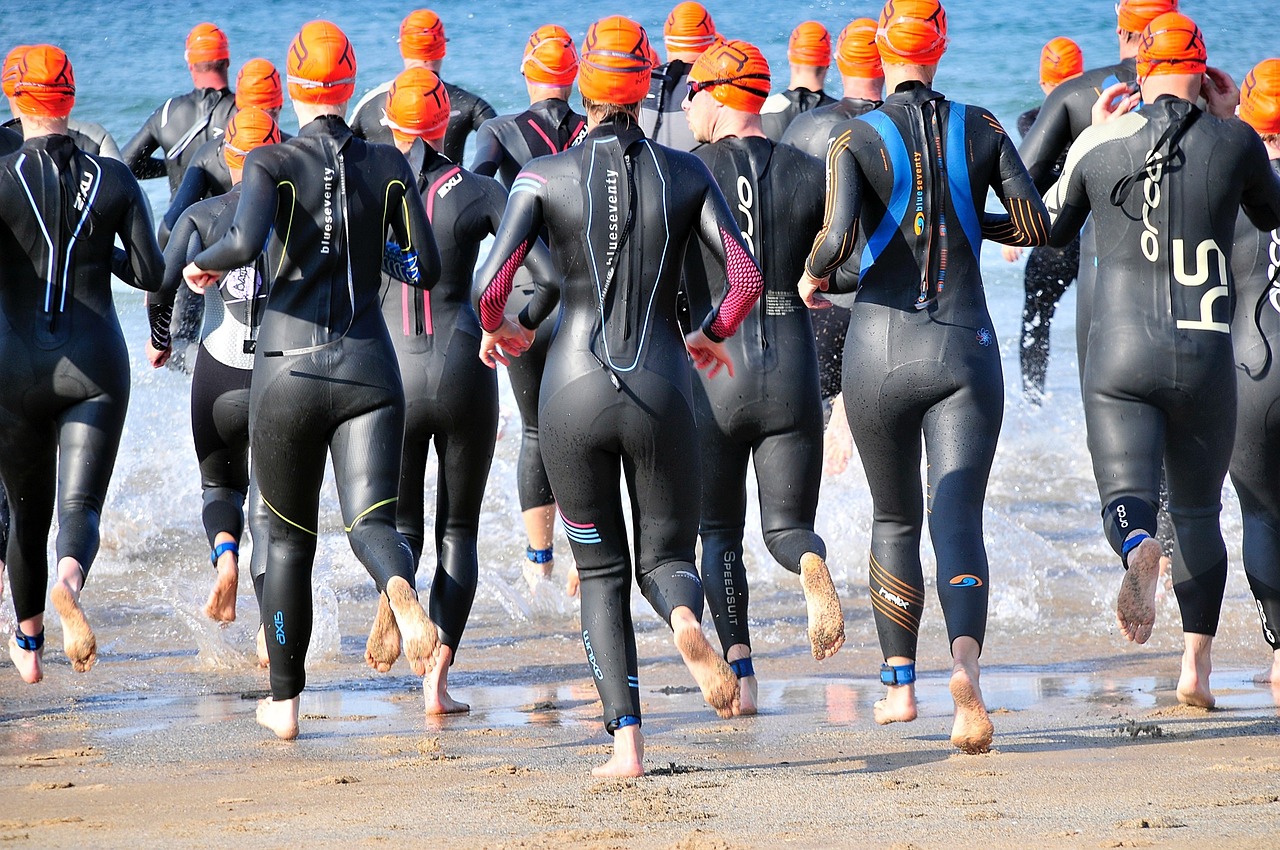

Collagen Peptides and Their Importance for Triathletes
Triathlon training can be physically demanding, making nutrition supplements essential for optimal performance. Collagen peptides, derived from various sources, contain vital amino acids that aid recovery and resilience. As a triathlete, your body undergoes intense strain, which necessitates deep tissue repair. Collagen contributes significantly to skin, tendons, and ligaments, ensuring you remain injury-free during training sessions. Supplementing with collagen supports joint health and mobility, which is crucial when pushing your body to its limits. It’s worth noting that collagen peptides are more easily absorbed than whole collagen. You can mix collagen peptides into smoothies or post-exercise shakes, enhancing their nutritional profile. Furthermore, a study revealed that athletes consuming collagen exhibit improved joint function. Such benefits directly correlate to better performance and endurance during long races. Additionally, these peptides assist in repairing muscle tissues that become damaged in prolonged activities. To maximize collagen intake, consider opting for high-quality sources. Look for products with minimal additives, ensuring you receive pure collagen without unnecessary fillers. Thus, incorporating collagen peptides into your diet can be a game-changer for any serious triathlete.
Besides structural benefits, collagen peptides offer skin support while maintaining hydration despite extreme conditions. Triathletes often experience exposure to sun, wind, and climate variations that can affect the skin adversely. By including collagen in your nutrition regimen, such issues may be mitigated. The peptides enhance skin elasticity and hydration, providing protection during outdoor training. Moreover, the anti-aging properties associated with collagen ensure athletes maintain a youthful appearance, even under intense weather fluctuations. This is essential not only for aesthetics but for endurance as well. Advanced hydration indirectly influences performance; hence, maintaining skin health could be pivotal. Many triathletes overlook skin care, yet it is an integral part of overall health. When skin barriers weaken, dehydration increases, ultimately affecting endurance. Further emphasizing the internal benefits, collagen aids in reducing inflammation and muscle soreness post-training. Regular consumption can expedite recovery processes, allowing athletes to feel rejuvenated. Faster recovery implies more training sessions and enhanced performance over time. To reap these benefits, consistency is key; therefore, integrating collagen into your diet should be part of a well-rounded nutrition strategy.
Choosing Quality Collagen Supplements
When selecting a collagen supplement, quality and sourcing matter significantly. Look for reputable brands that ensure transparency in their manufacturing processes and sourcing. Grass-fed bovine collagen is highly regarded for its amino acid profile and ethical standing. Additionally, marine collagen serves as a great alternative due to its bioavailability. Ensure the product is free from additives, preservatives, and fillers. This ensures you really receive the health benefits without detracting from overall nutrition. Research has shown that hydrolyzed collagen is more effective compared to non-hydrolyzed versions, as it’s broken down into smaller peptides for enhanced absorption. Moreover, consider collagen products that include complementary ingredients like vitamin C, which amplifies collagen synthesis within the body. Having a straightforward formula replete with beneficial components increases efficacy. Price isn’t always an indicator of quality; thus, analyzing third-party testing and customer reviews plays a crucial role in selection. Ultimately, the right collagen supplement contributes significantly to your overall performance, recovery, and health. Adopting a strategic approach towards your nutritional supplements can yield remarkable returns.
In addition to their primary benefits, collagen peptides can also serve diverse roles beyond joint and skin health. They help in the synthesis of cartilage, which is crucial during long-duration training. Adequate cartilage ensures athletes maintain their range of motion, critical during the swim, bike, and run phases of a triathlon. Enhanced cartilage health reduces the risk of injuries, allowing career longevity and consistent performance. By supplementing with collagen, you are effectively supporting your body’s structure, vital for each sport discipline in triathlons. Furthermore, including peptides in your pre-workout can add a unique aspect to your regimen. It can help delay muscle fatigue, enabling you to push further during grueling training sessions. Ultimately, this results in improved overall endurance, directly affecting performance outcomes. Consequently, as you focus on your nutrition strategy, incorporating collagen often becomes a simple yet powerful choice. Keeping your muscle function alongside joint mobility at optimal levels not only assures longevity in the sport but enhances enjoyment and personal satisfaction.
Integrating Collagen Peptides into Your Diet
Including collagen peptides into your daily routine can be seamless and rewarding. They can be easily incorporated into various meals and snacks throughout the day. For instance, adding a scoop of collagen to your morning coffee or protein smoothie offers both a nutritious boost and ease of preparation. Many recipes abound that integrate collagen, from breakfast items like oatmeal to desserts such as brownies, showcasing versatility. Additionally, consider using collagen in savory dishes like soups or sauces, allowing it to benefit your body’s nutritional needs. Since collagen is tasteless, it can blend effortlessly with any cuisine. Don’t forget about timing; post-workout is a prime opportunity for supplementation, facilitating muscle repair and reducing soreness. Make it a habit to consume collagen consistently to attain the best results. Think of a cycle where consistent intake leads to long-term benefits. Moreover, combining your collagen use with other nutritional strategies can create a holistic approach, ensuring maximum effectiveness. This way, not only do you enhance the benefits of collagen, but you improve your overall performance as a triathlete.
Triathletes often question the necessity of supplements and have differing opinions. It’s essential to recognize that while they can be beneficial, the foundation of any training program must be a balanced diet. Supplements like collagen should never replace whole foods but rather complement them. Nutrient-rich foods provide macronutrients vital for performance and should always be prioritized. Yet, for specific needs—like injury recovery or skin health—supplements may become essential. Triathletes need to adapt their nutrition strategies depending on their personal goals and physical demands. Listening to your body is crucial; if soreness persists or fatigue accumulates, incorporating collagen might warrant consideration. Additionally, strategies around nutrition and supplementation should include consulting a sports dietitian. Professional advice can help tailor a regimen that suits your individual needs. Also, remember that hydration, sleep, and overall wellness factor significantly into performance. While supplements like collagen are effective in providing benefits, they should remain part of a comprehensive nutritional plan. So prioritize whole foods, combine with well-chosen supplements, and maximize your triathlon training experience.
Realizing Long-Term Benefits
The advantages of incorporating collagen peptides into your diet extend well beyond an immediate boost. Long-term use can result in significant improvements in overall athletic performance. When consistently applied, you may notice increases in strength, flexibility, and recovery speeds, thus enhancing your training quality over time. As a triathlete, maintaining a high competitive edge necessitates seeking all possible advantages on and off the course. Continuous use of collagen supports ongoing muscular and joint health; ultimately, this allows for increased training loads as your body adjusts. Moreover, regular use can prevent injuries associated with wear and tear, common among triathletes. The importance of being proactive in health management cannot be overstated in any sports context. Adopting collagen supplements into your routine can inspire discipline, contributing to overall growth and resilience. Furthermore, keeping an eye on your hydration and dietary intake can be pivotal. This mindset allows you to nurture not just your body but your confidence in performance as well. By focusing on these small yet impactful changes, the success trajectory in triathlon can lead you to victories and personal achievements.
Ultimately, triathletes can harness the power of collagen peptides as a formidable ally in their health and performance. Awareness about proper nutrition can give any athlete the edge they seek. As you navigate your training and focus on peak performance, consider the role of collagen alongside your daily supplements. Whether it’s injury prevention, enhancing recovery, or maintaining skin integrity, collagen serves multiple purposes effectively. Integrating this protein into your nutrition plan can elevate your game and ensure you attain your athletic goals. Ultimately, being a triathlete is a long journey filled with challenges, and finding effective nutritional strategies can make all the difference. As such, pursue excellence by optimizing your nutrition, using collagen as a cornerstone in this aspect. With dedication and the right approach, every triathlete’s aspirations for improved performance and longevity in the sport can be realized.