
Role of Swimming and Cycling in Cholesterol Management
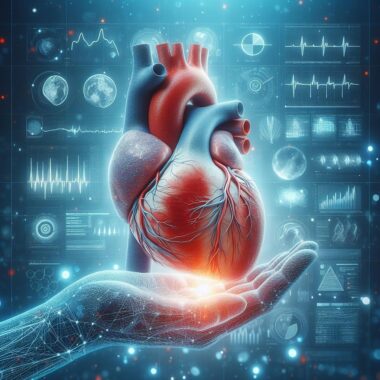
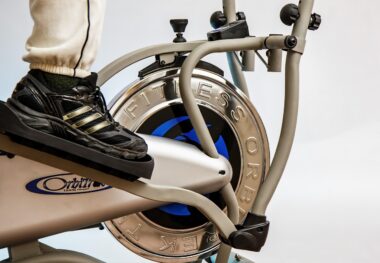
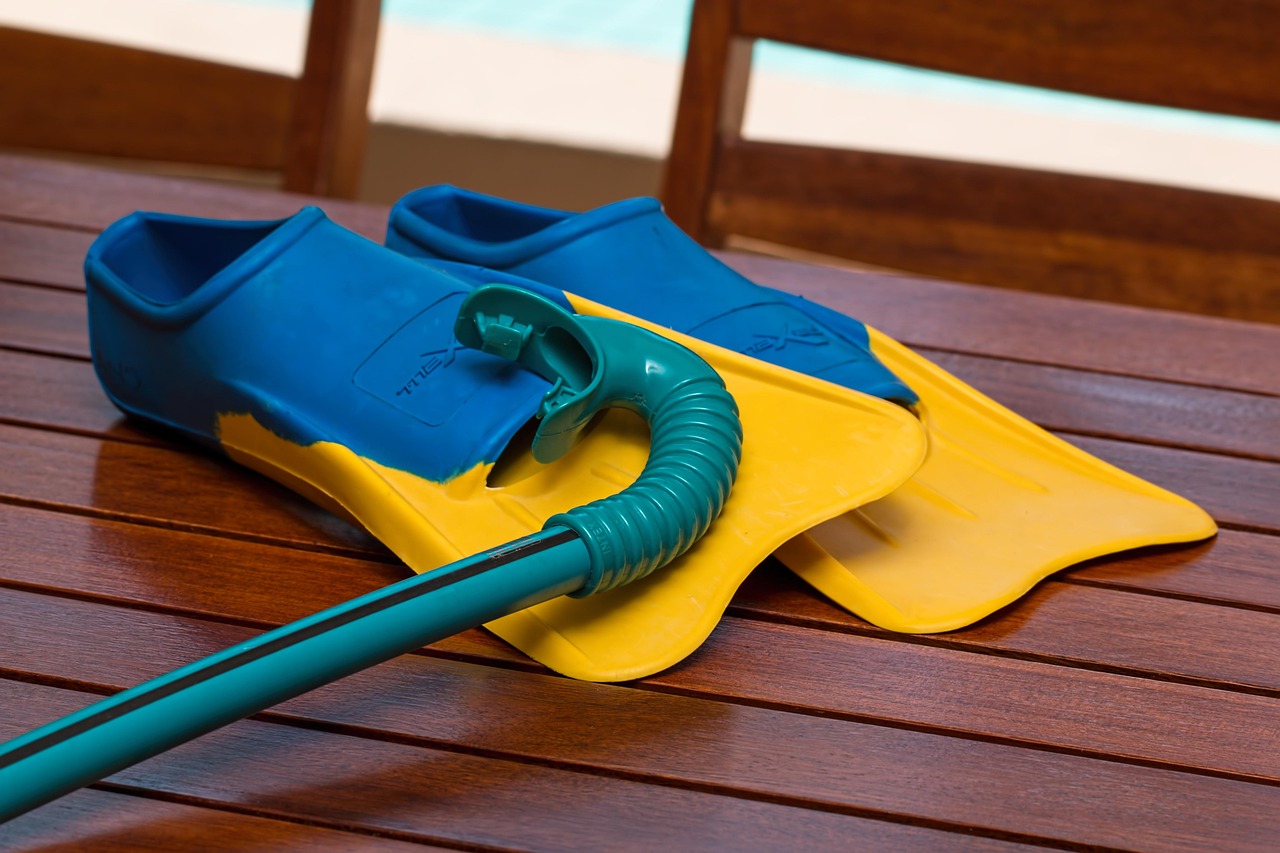
Cholesterol management is crucial for overall cardiovascular health. Engaging in regular cardiovascular workouts, such as swimming and cycling, can be highly effective in addressing cholesterol levels. These low-impact exercises not only burn calories but also help improve heart health. Swimming targets multiple muscle groups and provides a comprehensive workout that boosts cardiovascular fitness. Cycling, whether on a stationary bike or outdoors, offers a fun and engaging way to promote physical activity while improving cholesterol levels. When discussing cholesterol management, we must consider the importance of metabolic rate. Both swimming and cycling can enhance the body’s metabolism, allowing for better utilization of fats as an energy source. This helps in reducing LDL cholesterol while increasing HDL cholesterol, which is beneficial. Additionally, consistency in these workouts plays a key role. Regular sessions, combined with a balanced diet, are essential for achieving desirable cholesterol levels. Furthermore, including interval training within these exercises can maximize benefits. Overall, both swimming and cycling serve as excellent cardiovascular workouts that support effective cholesterol management and contribute to a healthier lifestyle.
The benefits of swimming and cycling extend beyond cholesterol management. Engaging in these cardiovascular exercises provides significant advantages for the heart and lungs. Swimming is a full-body workout that can enhance lung capacity and strengthen the heart. The buoyancy of water reduces strain on joints, making it an ideal exercise for individuals of all ages. Moreover, cycling improves lower body strength and endurance, benefiting muscle health. Apart from physical advantages, these exercises also offer psychological benefits, enhancing mood and reducing stress. This is crucial since stress can contribute to unhealthy cholesterol levels. Implementation of these workouts into a regular routine can yield enduring results. Weight management and a balanced diet complement the physical activities and lead to enhanced overall health. Healthy eating combined with aerobic exercises such as cycling and swimming can prevent heart disease. Always consider consulting a healthcare provider before embarking on a fitness journey. Individuals with specific health concerns should get personalized recommendations. Customizing workouts based on individual preferences and fitness levels ensures sustainability and enjoyment. Enjoying the activity leads to better adherence and longevity in health benefits.
Understanding Cholesterol Levels
Understanding cholesterol levels is essential for effective management. Cholesterol exists in two primary forms: LDL and HDL. LDL, often referred to as “bad cholesterol,” can lead to plaque buildup in arteries. High levels of LDL can increase the risk of heart disease and stroke. In contrast, HDL is known as “good cholesterol” as it helps remove LDL from the bloodstream. Therefore, the goal is to lower LDL levels while raising HDL levels through lifestyle changes, including exercising regularly. Swimming and cycling contribute significantly to this goal. These exercises encourage the body to use LDL cholesterol for fuel, helping to reduce its levels. Moreover, boosting HDL is equally crucial, and these workouts can enhance the production of HDL. Engaging in both swimming and cycling, especially at moderate to high intensities, can produce significant cardiovascular benefits. Blood circulation increases during these activities, leading to better oxygen delivery and enhanced nutrient absorption in cells. It’s interesting to note that regular involvement in these exercises can also provide additional benefits, such as improved sleep patterns and enhanced immune function. These interconnected aspects ultimately foster better health and support cholesterol management.
Consistency in physical activity is key to achieving successful cholesterol management outcomes. Integrating swimming and cycling into daily routines enhances the likelihood of adhering to exercise recommendations. Setting achievable goals can help individuals stay motivated while tracking progress over time. Additionally, varying the intensity and duration of workouts can prevent boredom and further optimize benefits. For example, incorporating interval training in swimming can elevate heart rates and lead to improved endurance, while cycling in hilly terrains can effectively raise endurance levels. Ensuring to combine these exercises with strength training can promote agility and further support cardiovascular health. It’s essential to schedule workouts according to personal preferences, as this can lead to more enjoyment and motivation to maintain an active lifestyle. Participating in group classes or clubs can also offer social support. The camaraderie helps individuals keep motivated throughout their fitness journey. Utilizing fitness apps or wearable technology can provide insights into performance and tapped into further motivation. Furthermore, tracking dietary habits alongside exercise is critical. Adopting heart-healthy eating habits such as consuming omega-3 fatty acids, fiber-rich foods, and whole grains can further support cholesterol management efforts.
The Importance of Nutrition
Nutrition plays a prominent role in managing cholesterol levels. Engaging in swimming and cycling without a balanced diet may yield minimal benefits. Healthy eating complements exercise and reinforces efforts to maintain desirable cholesterol levels. Incorporating foods high in omega-3 fatty acids can enhance heart health. Fatty fish, such as salmon and mackerel, provide essential nutrients. Furthermore, consuming soluble fiber-rich foods like oats and beans can help lower LDL cholesterol. Fruits, vegetables, and whole grains should also be staples in the diet as they provide essential vitamins and minerals that contribute to cardiovascular health. Moreover, limiting saturated and trans fats is crucial. Processed foods and high-fat dairy products can elevate LDL levels, undermining fitness efforts. Drinking plenty of water is essential for hydration, especially during workouts. Staying hydrated enhances performance and recovery post-exercise. Moreover, mindful eating practices can help prevent emotional eating and support weight management. Focusing on portion control and being conscious of food choices fosters healthy habits over time. By combining good nutrition with swimming and cycling, individuals can create a sustainable lifestyle that improves cholesterol levels effectively and supports health.
In conclusion, the roles of swimming and cycling in managing cholesterol levels are substantial. These cardiovascular workouts offer an enjoyable and effective means to enhance heart health. Individuals keen on improving their cholesterol should integrate these activities into their lives routinely. Not only do they reduce LDL cholesterol, but they also help boost HDL levels. The psychological benefits that accompany regular engagement in swimming and cycling bolster personal motivation and resilience towards adopting a healthier lifestyle. Furthermore, consistency in both physical activity and nutrition is essential for long-term success. Consulting with healthcare professionals can provide tailored advice concerning personal health goals and concerns. Community support through classes and groups can also provide encouragement and enhance the overall exercise experience. Maintaining a balanced perspective on health—through exercise, proper nutrition, and mental well-being—will lead to a positive relationship with fitness and improved cholesterol levels. It’s important to recognize that every small effort counts toward getting to your health goals. Therefore, prioritize net gains in cardiovascular fitness through swimming and cycling while enjoying the process. With dedication and commitment, everyone can improve their cardiovascular health and overall well-being.
Lastly, remember that cholesterol management is a lifelong journey. Establishing a routine that integrates swimming, cycling, and healthy eating habits is vital. The journey may require adjustments over time, whether concerning fitness interests or dietary preferences. Thus, individuals should remain flexible while monitoring their health outcomes. Adapting workout routines based on seasonal changes or personal schedules can maintain enthusiasm. Participating in local swimming events or cycling races can offer additional motivation to stay consistent. Moreover, recognizing and celebrating your achievements, no matter how small, encourages ongoing commitment. Building a strong support network is invaluable in assisting during challenging times. Educating family and friends about cholesterol management can also create a more supportive environment. Encouragement from loved ones fosters accountability and boosts motivation. Remember: the goals do not need to be perfect for significant results to emerge. Each step taken contributes to better cardiovascular health. Maintain an upbeat mindset and stay focused on achievements. Lastly, enjoy the twists and turns of the journey, embracing both the challenges and triumphs. With the right approach, achieving better cholesterol levels is not only possible but enjoyable.