
Swimming for Rehabilitation After Hip Replacement Surgery
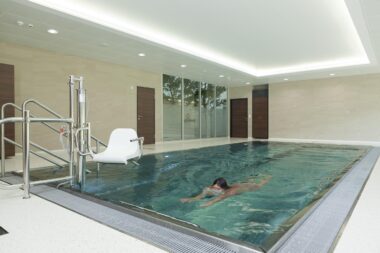
Swimming is a low-impact activity that can significantly aid in rehabilitation after hip replacement surgery. The buoyancy of water reduces stress on joints, allowing individuals to exercise with minimal pain. Physical therapists often recommend swimming as part of a recovery plan, as it builds strength and improves range of motion. Moreover, swimming encourages flexibility, which is crucial for those recovering from surgery. Exercising in water allows movement without the pressure of gravity, making it easier to regain overall fitness efficiently. The gentle resistance of water also provides an excellent environment for muscle strengthening. As you begin swimming post-surgery, ensure that movements are slow and controlled to prevent injuries. Start with simple strokes and gradually increase intensity as you heal. Consistency in swimming can lead to remarkable improvements in mobility. Engaging in this kind of physical activity can also boost your mood and release endorphins, which alleviate discomfort. Before starting any swimming program, consult with your healthcare provider to tailor exercises that suit your needs after surgery. This ensures a safe and effective rehabilitation journey.
One of the most significant benefits of swimming post-surgery is its ability to enhance cardiovascular fitness. After hip replacement, many patients experience decreased activity levels, which can lead to cardiovascular decline. Swimming acts as a full-body workout that elevates heart rates while minimizing joint impact. This quality makes it particularly beneficial for elderly populations or those with other health restrictions. When swimming, aim for a steady pace that keeps the heart rate elevated without causing discomfort. Incorporating different strokes can also improve various muscle groups, ensuring a balanced physique and enhancing overall health. Remember to remain hydrated while swimming since dehydration can still occur in water. Additionally, consider doing gentle stretch routines before getting into the water; this can further prevent muscle strains or injuries. If anxiety about entering the water arises, practicing in shallow areas can boost confidence. Using flotation devices may also assist in building comfort. Each swimming session should focus on gradual progression rather than pushing yourself too hard. Celebrate every achievement, as small gains in mobility and strength can motivate you throughout the recovery process.
Types of Swimming Techniques for Recovery
Various swimming techniques can be effective for rehabilitation following hip replacement surgery. For instance, the backstroke is a great option, as it allows the hips to remain relatively stable and maintains proper alignment. This stroke enhances coordination and engages the core while minimizing any strain on the hips. Additionally, the freestyle stroke can be incorporated to increase breathing stamina and overall endurance. Using a kickboard can help focus on leg movements, aiding strength without overwhelming the surgical site. As your rehabilitation progresses, the breaststroke can also be introduced to enhance mobility and promote confidence in larger movements. It is essential to perform these strokes at a comfortable pace, gradually increasing intensity as tolerated. Listening to your body during each session is critical, so be aware of any signs of discomfort that may arise. Swimming is a versatile way to enhance recovery, and combining various techniques can keep things enjoyable. Mixing water-based exercises with swimming routines diversifies workouts and addresses different muscle groups, making the rehabilitation process more effective. Ensure to speak with a physical therapist to develop a personalized routine.
Incorporating resistance training into your water routines while swimming can further enhance rehabilitation outcomes. Using water dumbbells and resistive bands while in the pool can effectively build strength. The natural resistance of aquatic environments allows for improved muscle engagement, which is vital following surgery. It is essential to start with light resistive equipment, ensuring comfort during exercises. You can adjust the resistance according to personal strength levels, which is an advantage of aquatic training. Focus on various muscle groups, including arms, legs, and the core, while also emphasizing balanced development. Include movements that require gradual transitions to ensure proper adaptation after surgery. Combining resistive training with swimming sessions can also maintain engagement in the recovery process. Additionally, incorporating balance exercises in the water can enhance stability and coordination. These exercises are particularly beneficial, as they reduce the risk of falls and improve overall body awareness. Gradually transitioning to more complex movements can assist recovery progress. Engaging in resistance training alongside swimming can lead to more substantial physical benefits and support a holistic approach to rehabilitation.
The Role of Water Temperature in Rehabilitation
Water temperature can significantly influence the comfort and effectiveness of swimming rehabilitation after hip surgery. Warm water is often recommended during the early healing stages, as it helps relax muscles and joints. Heated pools can provide a soothing environment, easing pain and tension while allowing for more extensive and comfortable movements. Submerging in warm water can also enhance blood flow, which is critical for healing tissues. As you progress in your recovery journey, incorporating cooler water into your sessions may be beneficial. Cooler temperatures can invigorate the body, fostering improved endurance and stamina. They can also help reduce swelling around the surgical site. Regardless of temperature preference, ensure the swimming environment feels enjoyable and safe. Talking to your rehabilitation specialist about the optimal water temperature can guide you toward the best conditions for your needs. Use these temperatures wisely to benefit overall recovery experiences, promoting comfort and an effective rehabilitation process. A supportive environment greatly enhances the engagement and longevity of the rehab adventure. Staying mindful of temperature preferences can lead to a positive attitude toward swimming.
Aside from the physical benefits, swimming also provides essential psychological advantages during rehabilitation after hip replacement surgery. Engaging in regular physical activity, such as swimming, can help reduce anxiety and depression often associated with significant surgical recovery. The calming nature of water, combined with the rhythmic motions of swimming, can create a meditative state that improves your mood. Participants often find solace in routines and enjoy social interactions with others in the pool, creating friendships that bolster emotional support. The sense of accomplishment from achieving swimming goals can also enhance confidence levels. Setting achievable milestones encourages ongoing motivation and positive reinforcement throughout recovery. Furthermore, swimming helps improve sleep patterns, which is crucial as quality rest supports healing. Monitoring progress and celebrating small victories can further encourage a sense of achievement. Consider joining swim classes or community groups to foster a supportive environment as you embark on this journey. Engaging in this form of therapy allows you to bond with others who share similar experiences. Emphasizing mental well-being is equally important as addressing physical recovery.
Safety Precautions for Swimming Post-Surgery
Prioritizing safety measures while swimming post-hip replacement surgery is essential to ensure a successful rehabilitation process. Always consult with a healthcare provider before starting any new swimming routine to ensure that specific movements are appropriate for your condition. Begin in a pool with accessible entry points, like stairs or ramps, to avoid slips and falls. Working with a trained instructor or physical therapist at first can provide guidance tailored to your recovery progress. Always listen to your body and recognize the limits set by your healing process. Avoid high-impact movements initially, like jumping or sprinting in the water, which can cause strain. Ensure to monitor for signs of discomfort, fatigue, or swelling during sessions. It may be advisable to swim with a partner for added safety, allowing for immediate assistance if needed. Wearing supportive footwear when on deck can also prevent slips. Create a routine for warming up and cooling down before and after swimming sessions, which can enhance overall recovery. Prioritize a safe swimming experience to maximize the benefits of rehabilitation through this enjoyable activity.
In conclusion, integrating swimming into your rehabilitation plan post-hip replacement surgery offers various advantages. By allowing low-impact exercises in a supportive environment, swimming promotes physical recovery and mental well-being. The versatility of swimming strokes combined with resistance training can enhance strength and cardiovascular fitness. Water temperature plays a role in comfort during exercises, while psychological benefits can reduce anxiety associated with recovery. Always consult with a healthcare professional to tailor exercises suited to personal needs and safety precautions. Create a consistent swimming routine that promotes gradual fitness improvements; also, consider joining community swim programs to encourage social interaction. Swimming not only aids in physical strength but also fosters rewarding experiences that keep spirits high during rehabilitation. Celebrating every achievement, no matter how small, can instill a positive mindset throughout the journey. Swimming allows individuals to reclaim their fitness levels while often rekindling joy in physical activities. Embrace this life-enhancing opportunity by making swimming a key element of your post-surgery rehabilitation journey. Your commitment to this rewarding process will pave the way for long-term health and well-being.