
Bicycle Sharing Programs: Policy Considerations and Advocacy
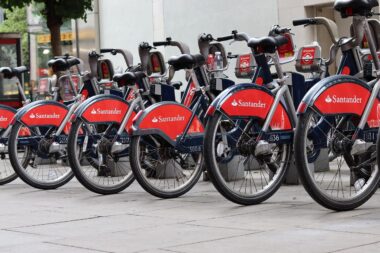
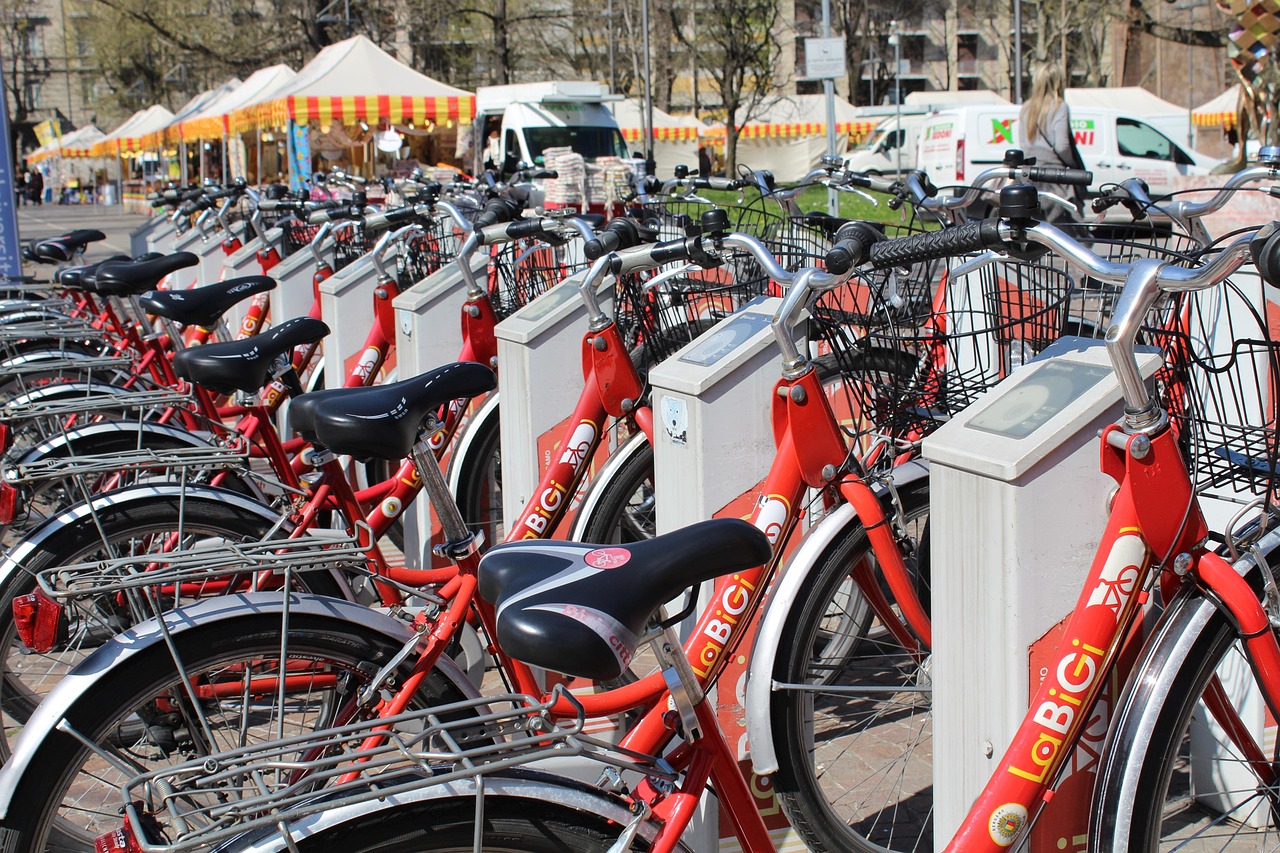
Bicycle sharing programs (BSPs) have become increasingly prevalent in urban areas worldwide. They serve to encourage eco-friendly transportation options and reduce congestion in cities. These initiatives require careful planning and policy support to succeed. Local governments play a pivotal role in integrating BSPs into existing public transport systems. Policies prioritizing biking infrastructure, safety regulations, and accessibility can enhance the effectiveness of these programs. To ensure a robust bicycle-sharing scheme, active engagement with communities and stakeholders is vital. Advocacy groups can help align public interests with governmental policies. Furthermore, fostering public awareness about sustainability is crucial for promoting cycling as a primary mode of transport. Government and community collaboration can address potential concerns regarding road safety and infrastructure hurdles. Data-driven policies tailored to local contexts ensure that bicycle sharing can meet diverse needs while minimizing negative impacts. In summary, while bicycle-sharing programs offer significant benefits, they require coordinated policy frameworks, public engagement, and effective advocacy efforts to achieve long-lasting positive outcomes.
Bicycle sharing programs also have economic implications that cannot be overlooked. These initiatives contribute to local economies through job creation in various sectors, including maintenance and customer service roles. Additionally, they promote local businesses by increasing foot traffic in commercial areas. As users access bicycles, they might discover shops and restaurants they might not have visited otherwise. Policymakers need to recognize the potential for BSPs to affirmatively impact local economic development. Support for entrepreneurs who develop synergies with bike-sharing services may also be beneficial. Studies show that when implemented effectively, bicycle-sharing programs can lead to increased property values, notably around bike stations. Not only do users enjoy cost-effective transportation, but cities essentially benefit from healthier populations and reduced healthcare costs stemming from increased physical activity. The economic benefits related to environmental sustainability, such as decreased fuel consumption and gas emissions, should also be emphasized. Policymakers must consider these economic benefits when advocating for bicycle-sharing programs to fully grasp the long-term positive implications of their expansion.
Health Benefits of Bicycle Sharing Programs
Beyond economic impacts, the health benefits of bicycle-sharing programs are significant. Regular biking promotes cardiovascular health, strengthens muscles, and maintains a healthier weight. Consequently, it may also lead to lower incidences of chronic diseases, contributing to a healthier populace. Moreover, increased cycling decreases air pollution levels resulting from vehicular emissions. This not only enhances the environment but also improves public health outcomes in urban communities. Policy measures must incentivize physical activity through safe biking routes. Cities promoting BSPs may experience decreased health care expenditures as a result of healthier citizens. Urban planners should consider integrating bicycle pathways in their designs. Effective advocacy is essential in raising awareness about these health benefits. This helps to promote cycling as a vital component of an active lifestyle. Moreover, societal attitudes towards cycling can shift positively through community events, promotions, and education. Political awareness regarding the health aspects of policies can foster community support for BSPs. In summary, when health benefits are highlighted, bicycle sharing can facilitate substantial improvements in community wellbeing.
While the advantages of bicycle-sharing programs are well-established, challenges exist that require addressing through policy considerations. First and foremost, funding for such initiatives can pose significant barriers. Policymakers should explore public-private partnerships to mitigate budget constraints associated with launching and maintaining these programs. Moreover, public safety concerns may arise, influenced by inadequate biking infrastructure. To encourage citizens to embrace cycling, policymakers should prioritize investment in safe biking lanes and signage. Furthermore, technical challenges related to the integration of bike-sharing systems with existing urban mobility frameworks should not be overlooked. A collaborative approach between governmental bodies, advocacy groups, and the private sector can foster innovation in overcoming these hurdles. Community outreach can help gather input on local biking needs and encourage citizen ownership of the program. Policymakers can also work to ensure that underserved communities have equal access to bicycles. Addressing inclusivity, accessibility, and safety will strengthen the overall effectiveness of bicycle-sharing programs. In conclusion, systemic barriers to BSP success can be overcome through tailored policies and strong advocacy efforts.
Environmental Impact and Sustainability
The environmental impact of bicycle-sharing programs is profound, as they help reduce carbon emissions and promote sustainable urban mobility. Compared to cars, bicycles leave a smaller ecological footprint, which positively contributes to climate change mitigation. Policymakers should emphasize these environmental benefits in advocacy efforts to garner public support. Promoting bike-sharing is essential for advancing sustainable transportation solutions. Additionally, waste reduction strategies can be integrated into the operational aspects of these programs. By opting for eco-friendly maintenance practices, operations can better align with broader sustainability goals. Bicycle-sharing programs’ ability to reduce reliance on automobiles can also foster a shift in societal transportation norms. This shift may drive investments in renewable energy sources, further diminishing environmental impacts. Furthermore, integrating bicycle-sharing into transit systems encourages mixed-mode transportation, maximizing sustainability efforts. Promoting research into the lifecycle analysis of bicycle-sharing initiatives can underscore the significance of such programs in achieving climate goals. In summary, the synergy between bicycle sharing and environmental policy can reinforce advocacy for eco-conscious urban development.
Policymakers looking to expand bicycle-sharing programs must pay special attention to inclusivity. Ensuring equal access for all demographics, including low-income communities and individuals with disabilities, is vital. An equitable approach to bicycle sharing can eliminate barriers that discourage participation among certain groups. Advocacy efforts should focus on promoting affordable membership options, convenient locations, and accessible designs. Financial assistance programs can also facilitate access for economically disadvantaged populations. Furthermore, outreach initiatives should be employed to educate underrepresented groups about the benefits of cycling. These actions foster a sense of ownership and help bridge existing disparities in transportation access. Additionally, collaborating with local organizations can facilitate engagement within these communities. Gathering feedback from diverse populations will enhance the development of policies that are both inclusive and targeted. Policymakers must also advocate for the necessary infrastructure upgrades to accommodate all users. In conclusion, inclusivity is essential for ensuring that bicycle-sharing programs meet the needs of the entire community, fostering a sense of belonging while promoting sustainable transportation alternatives.
Future Directions for Advocacy
Looking ahead, the future of bicycle-sharing programs will depend on ongoing advocacy efforts and evolving policies. Policymakers must remain flexible and responsive to community needs, leveraging data and feedback for continuous improvement. Beyond traditional methods of advocacy, leveraging digital platforms can reach wider audiences and mobilize support. Social media campaigns can raise awareness about the advantages of bicycle-sharing programs and educate users. Programs that address changing urban landscapes will position themselves for success. Collaboration between different municipalities can encourage shared best practices and accelerate program implementation. Additionally, partnerships with educational institutions and research organizations can further bolster knowledge-sharing regarding bicycle-sharing initiatives. Understanding evolving transportation trends is paramount; thus, integrating technology into these programs can enhance user experiences. Real-time data sharing, mobile applications for ease of use, and community engagement tools will help create effective bicycle-sharing systems. Finally, sustained advocacy can help allocate funding for improvements, ensuring programs stay relevant and effective in the future. In summary, a focus on adaptability, technology, and collaboration will shape the future of bicycle-sharing advocacy.
In conclusion, bicycle sharing programs can offer numerous benefits to urban environments, encompassing economic, health, environmental, and social aspects. Policymakers and advocates need to collaborate robustly to create and sustain an effective system. Addressing potential challenges is essential to foster community acceptance and long-term success. This entails promoting equitable access, ensuring sustainability, and effectively communicating the overall benefits of biking. Efforts should focus on creating a framework for ongoing dialogue between stakeholders, allowing for shared learning and adaptation. Engaging the public through diverse advocacy strategies can empower citizens, promoting a greater awareness of the benefits of cycling. Ultimately, success will depend on well-informed policies, community involvement, and a proactive approach to overcoming barriers. By utilizing the insights highlighted in previous sections, advocates can ensure that bicycle sharing is a legitimate option for urban mobility. Long-term investment in infrastructure, education, and community engagement will yield profound benefits. As cities evolve, bicycle sharing can pave the way for greener, healthier urban living. Integrating bicycle sharing within wider transportation strategies is crucial for maximizing the overall impact. Policymakers must embrace bicycle sharing’s potential and foster a movement toward more sustainable urban transportation solutions.