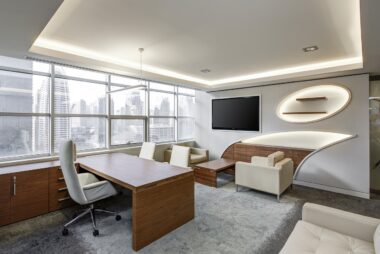

Using Posture-Correcting Tools in Ergonomic Office Environments
In today’s fast-paced work environment, adopting the right posture is crucial for maintaining health. Proper posture not only enhances comfort but also boosts productivity. In ergonomic office design, posture-correcting tools play a vital role in supporting healthy work habits. Tools like adjustable chairs, standing desks, and monitor stands can help workers maintain a neutral posture while working for extended periods. Moreover, they encourage frequent movement, reducing the risks of musculoskeletal disorders significantly. Ergonomic designs integrate specific features that allow employees to adjust according to their physique and work style, ensuring optimal alignment. The use of these tools goes beyond just comfort; it makes a significant investment in overall employee well-being. When selecting posture-correcting tools, consider the adjustability, support levels, and materials used in their construction. Having a variety of options available can enhance workplace satisfaction and engagement. By focusing on effective ergonomic solutions, workplaces can cultivate healthier environments that prioritize the well-being of their employees in every possible manner. Establishing such practices is essential for creating a productive workplace where everyone can thrive in their roles.
Additionally, the significance of posture-aware accessories should not be overlooked. Items such as lumbar support cushions and wrist rests serve as pivotal tools in maintaining proper bodily alignment during work hours. These additions seamlessly integrate into an office environment while making significant contributions to user comfort and health. Understanding the various ergonomic tools that can enhance workspaces is essential for creating a holistic ergonomic solution that meets diverse needs. Regular training or workshops on the importance of correct posture could enhance awareness among employees. These sessions can help employees understand how using proper tools can prevent long-term health issues. Furthermore, promoting breaks and physical activity within these sessions can facilitate overall wellness. Integrating technology like posture-correcting wearables can further encourage employees to maintain healthy habits. Incorporating such tools in office design enhances the overall aesthetic while ensuring functionality in ergonomics. With a conscious effort from both employers and employees, a remarkable change in the workplace can be achieved. Investing in ergonomics is investing in human capital, leading to happier and healthier work environments ultimately.
The Importance of Ergonomic Tools
Choosing the right ergonomic tools is fundamental for long-term success in any office. They help in achieving greater comfort, which subsequently leads to better focus and productivity. Modern ergonomic designs align with the body’s natural shape, facilitating more relaxed and sustainable working postures. Properly designed tools such as desks that adjust for seated or standing positions cater to a variety of user preferences, accommodating diverse needs in the workplace. This adaptability is essential in promoting inclusivity within the work environment, thereby improving employee morale. Alongside physical adjustments, employers should also consider providing educational resources about the benefits of posture-correcting tools. These resources can guide employees on how to utilize them effectively. Ergonomic assessments, performed by professionals, can tailor recommendations according to specific roles and requirements. Regular evaluations ensure continuous adaptation of workstations as employees’ preferences and roles evolve. A sustainable office environment fosters a culture of wellness that goes beyond physical health, promoting mental vitality as well. The proper integration of ergonomic tools is crucial in ensuring that employees can thrive daily.
Incorporating principles of ergonomics shapes favorable workplace behavior and practices in various ways. It starts with understanding that each employee has unique needs and characteristics contributing to their productivity. Creating an ergonomic workspace involves considering aspects like desk height, monitor levels, and seating angles. Notably, leverages tools such as desk organizers and cable management systems to reduce clutter and promote organization can foster an encouraging space. Leg space and mobility also promote the ability to shift positions comfortably, which is essential during long work hours. Interaction and collaboration in an ergonomic space are greatly enhanced through functional design features. These elements allow for spontaneous discussions while seated or standing, promoting diverse work styles. Implementing ergonomic principles signifies that employers value their workforce’s health, showing commitment to creating a conducive work environment. Well-equipped offices attract and retain talent, reflecting progressive organizational values. A culture that emphasizes ergonomics influences employee satisfaction, reduces absences, and enhances overall workplace performance. Thus, understanding and promoting ergonomic office design remains pivotal in paving the way for healthier workplaces.
Future of Ergonomic Office Designs
The future of ergonomic office designs lies in the continuing evolution and integration of technology into workplace environments. As innovations in office furniture and tools emerge, the focus remains on sustainability and employee wellness. Smart furniture adapting to user behavior will enhance ergonomic practices, allowing for even greater comfort. Technologies such as adjustable desks now often come equipped with reminders to shift positions or take breaks, ensuring that employees maintain healthy practices effortlessly. Future designs will also incorporate artificial intelligence to gauge the user’s sitting patterns, suggesting adjustments for optimal comfort, thus elevating workplace productivity further. Collaboration spaces may soon include advanced features that promote movement and interactivity while maintaining ergonomics. The rise of remote work necessitates the inclusion of ergonomic designs in home office setups, prompting companies to provide tools and resources for remote workers. Providing flexible solutions within the home encourages employees to create their ideal workspace, leading to physical and mental well-being. The continued emphasis on ergonomics fosters a healthier work-life balance, complementing the changing landscape of modern workplaces that prioritize employee health.
Moreover, the role of employers in propagating the importance of ergonomics cannot be overstated. They should advocate for workplace safety and health, promoting the benefits of posture-correcting tools extensively. Conducting assessments and offering handbooks on ergonomic practices can provide employees with valuable insights regarding their office setups. This ensures that they fully utilize the ergonomic tools available to them while also understanding their significance. The investment in educational sessions accompanied by hands-on demonstrations enhances awareness regarding how each tool contributes to their well-being. Encouraging open discussions about ergonomics within teams fosters a supportive culture promoting overall wellness. Assigning point persons also allows employees to voice concerns and share experiences with ergonomic tools freely. Engaging employees in decision-making processes regarding ergonomic furniture selection can promote a sense of ownership. By including them in these discussions, employers can ensure the chosen solutions meet the workforce’s diverse needs. Ultimately, cultivating an ergonomic office promotes a more engaged, productive, and satisfied workforce dedicated to achieving their best.
Conclusion
In conclusion, utilizing posture-correcting tools in ergonomic office environments presents undeniable benefits for employee health and productivity. The combination of properly designed furniture, awareness S and educational resources creates a supportive ecosystem for all employees. Constantly adapting office setups to individuals’ needs significantly improves comfort, enabling workers to concentrate better on their tasks. The integration of emerging technologies will further drive advancements in ergonomic design, ensuring that they align with evolving work habits and preferences. Organizations prioritizing ergonomics reflect their commitment to employee welfare, setting a precedent for the industry. The profound positive outcomes include reduced absenteeism, lower healthcare costs, and elevated overall workplace satisfaction. Creating an ergonomic workplace is thus not merely a trend but a necessity for modern businesses aiming for long-term success. A balanced approach that values both health and productivity leads to sustainable success. As organizations incorporate these ergonomic principles, the culture of well-being will inherently flourish, benefiting employees and the company as a whole. It is truly a win-win scenario that should not be overlooked. Hence, as workplaces evolve, so should their commitment to the ergonomics of their environments.
In summary, focusing on ergonomic office design is crucial for fostering better workplace environments. Employers must be keenly aware of the tools and practices that promote healthy posture. Conducting regular reviews and engaging employees in conversations about ergonomics can provide valuable insights. Not only does this improve health, but it also enhances morale and productivity in the workplace. The value of investing in ergonomics extends beyond physical health into mental wellness, creating an atmosphere conducive to creativity and collaboration. Prioritizing ergonomics cultivates a sense of community where employees feel seen and valued. A workplace that genuinely cares about its employees’ well-being fosters trust and loyalty. Likewise, understanding the evolving needs of the workforce enhances the development of innovative solutions. Partnerships with experts in ergonomics can lead to groundbreaking advancements in workplace design. As we move towards more flexible working arrangements, this becomes an essential consideration to accommodate diverse working styles. Overall, as more companies embrace this approach, the future of work will reflect the importance placed on employee health and productivity. The commitment to ergonomic practices will yield fruitful returns that last for years to come.