
The Effectiveness of Electrical Stimulation in Muscle Recovery
Electrical stimulation therapy has gained popularity as a method for enhancing muscle recovery following injuries or strenuous exercise. Different types of electrical stimulation techniques exist, including transcutaneous electrical nerve stimulation (TENS) and electrical muscle stimulation (EMS). Both of these methods aim to improve muscle healing by reducing pain, improving circulation, and stimulating muscle contractions. Numerous studies have explored how electrical stimulation affects muscle recovery and overall performance. Many athletes have integrated this noninvasive approach into their rehabilitation routines. By incorporating electrical stimulation therapy, individuals often experience reduced soreness and enhanced recovery times. This is crucial for athletes looking to maintain peak performance without extended downtime. Research has shown that electrical stimulation can also help in restoring muscle strength and reducing atrophy in injured areas, which is vital for recovering athletes. Additionally, this technique is therapeutic for multiple injuries, including strains and sprains. Thus, understanding the effectiveness of electrical stimulation can help improve rehabilitation protocols for both athletes and non-athletes alike. Overall, the versatility of electrical stimulation makes it a favorable choice for muscle recovery and injury prevention.
Understanding the mechanisms behind electrical stimulation is crucial for harnessing its benefits. The primary goal of electrical stimulation is to evoke muscle contractions through electrical impulses. These impulses prevent muscle atrophy by mimicking the natural signals sent from the nervous system during physical activity. As a result, blood flow is increased to the affected area, promoting healing. The physiological effects of improved circulation include enhanced nutrient delivery and waste removal, which are essential during recovery. Furthermore, the stimulation can activate sensory nerves, which aids in pain reduction and increases endorphin release. This dual effect of pain control and muscle activation makes electrical stimulation a compelling choice for recovery strategies. Research has suggested that incorporating this method into rehabilitation programs can lead to faster recovery times compared to traditional methods alone. Various protocols exist depending on the injury and individual needs, making customization a vital component. Evaluating each client’s condition and response to treatment will enhance the effectiveness of this therapy. Hence, therapists and trainers can maximize recovery results by integrating specific electrical stimulation techniques into personalized rehabilitation plans.
Benefits of Electrical Stimulation
Electrical stimulation offers multiple benefits that contribute to muscle recovery and enhance overall well-being. Firstly, one significant advantage is the reduction of muscle soreness experienced after intense workouts or injuries. Athletes often encounter delayed onset muscle soreness (DOMS), which can hinder training progress. Regular use of electrical stimulation can help alleviate this discomfort, allowing athletes to return to their routines more quickly. Secondly, increased blood circulation helps improve flexibility and mobility in affected muscles and joints. This enhanced blood flow ensures that vital nutrients and oxygen reach the injured areas more efficiently. Thirdly, electrical stimulation can support the rehabilitation of muscle movements by retraining and strengthening them. In cases of injury, muscles can become weak or uncoordinated, resulting in further complications. Regular application of stimulation can help restore strength, coordination, and functionality. Additionally, this therapy can aid in reshaping the muscle fibers, ensuring an overall improved muscle performance. Incorporating electrical stimulation into recovery focuses on holistic healing. Addressing both pain relief and muscle function leads to a comprehensive approach resulting in better recovery prospects.
Another critical benefit of electrical stimulation is the enhanced psychological well-being of individuals during recovery. Injury rehabilitation can be mentally taxing, and the discomfort associated with muscle pain can lead to discouragement. However, incorporating electrical stimulation into the rehabilitation regime can create a positive experience. As patients notice improvements and reductions in pain, their confidence and motivation tend to increase. This heightened positivity helps cultivate adherence to exercise programs and other recovery recommendations. Additionally, by utilizing this technology, therapists are more equipped to design engaging therapy sessions that make care enjoyable. It’s essential to foster an environment where patients feel empowered and motivated to recover actively. The encouragement brought about by visible progress through electrical stimulation can result in a more enthusiastic approach to rehabilitation. Overall, the mental aspect of recovery cannot be overlooked. The integration of techniques that promote not only physical healing but psychological comfort leads to better outcomes. This holistic view of recovery not only affects the physical body but can also enhance the overall quality of life for individuals facing recovery challenges.
Practical Applications of Electrical Stimulation
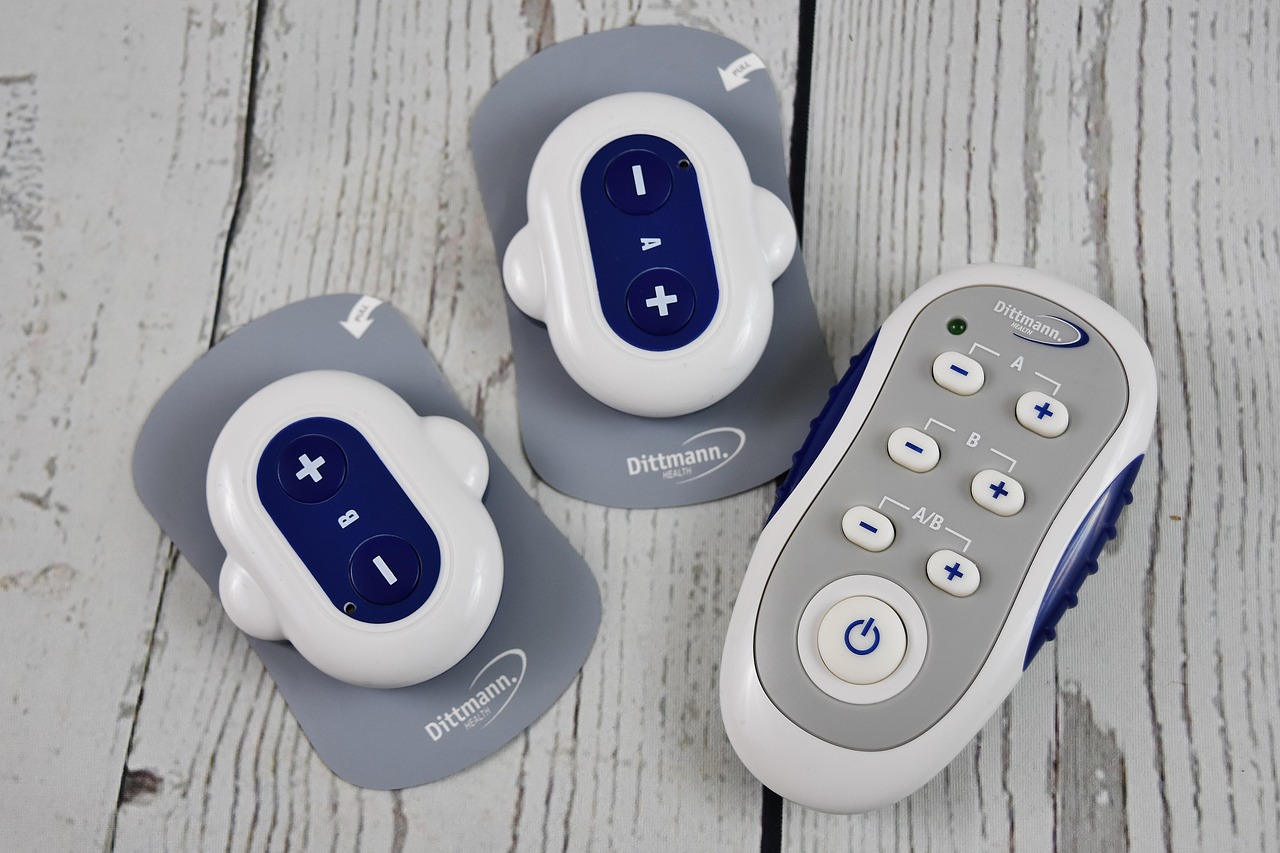
In practical terms, electrical stimulation can be used in various settings for recovery purposes. Personal trainers and therapists commonly implement these techniques in rehabilitation clinics and gyms. Specific protocols can easily be adapted based on individual needs and injury types. For athletes, the application might focus on enhancing performance and recovery, ensuring they stay in peak condition. Conversely, for elderly patients recovering from surgeries or injuries, the focus may be on improving mobility and strength. Various devices offer portable and convenient solutions for home use, allowing individuals to manage their recovery effectively. Many rehabilitation centers also use more sophisticated equipment as part of a comprehensive treatment plan. Classes or programs incorporating electrical stimulation into their routines can be beneficial, as group sessions encourage social interaction and accountability. Even at home, having access to electrical stimulation devices provides patients with a sense of control in their healing process. Particularly for those unable to participate in traditional rehabilitation methods, home-based applications can make a significant difference. Therefore, understanding how to practically implement these modalities will enhance recovery prospects.
When considering any new treatment modality, safety and contraindications should be addressed before using electrical stimulation. Proper training for trainers and therapists ensures that they apply stimulation correctly and effectively. Knowing when to utilize electrical stimulation and when to refrain from using it is crucial. It’s essential to assess patient history and current conditions thoroughly. Conditions like pacemakers or various types of heart diseases might preclude the use of electrical stimulation, warranting careful consideration and assessment of each case. Additionally, some injuries may dictate specific stimulation protocols or avoid certain areas to prevent further damage, highlighting the need for professional guidance. Furthermore, patients should be educated about electrical stimulation to understand how it fits into their recovery plans. Transparency and ongoing communication between therapists and clients will also enhance trust in the process and adherence to safety protocols. This ensures clients are comfortable and aware of their treatment modalities. Overall, emphasizing safety reinforces the role of electrical stimulation in rehabilitation as a highly effective and reliable tool for improving muscle recovery.
Conclusion
In conclusion, electrical stimulation presents an effective approach to injury prevention and muscle recovery, demonstrating significant benefits for both athletes and general populations. By offering pain relief, enhancing circulation, and supporting muscle function, these techniques effectively contribute to overall recovery strategies. Additionally, the psychological benefits further emphasize the importance of mental well-being, ensuring a holistic view of rehabilitation practices. Practical applications of electrical stimulation techniques make them a versatile choice for various recovery settings, allowing therapists, trainers, and individuals to use them effectively. Ensuring proper training and adapting sessions based on individual needs enhances the overall effectiveness of this therapy. As knowledge about the benefits and applications of electrical stimulation continue to evolve, the role it plays in fitness and rehabilitation may be more critical than ever. This also emphasizes the importance of ongoing research in the field to validate these techniques and explore new methods of application. Embracing advanced technologies are necessary to enhance recovery outcomes. Therefore, for anyone interested in optimizing their muscle recovery or injury prevention, electrical stimulation should be considered an essential component of their rehabilitation strategy.