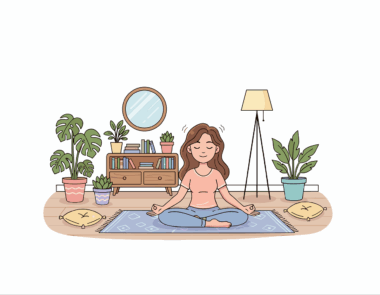

Sound Meditation Techniques to Enhance Sleep Depth
Sound meditation techniques serve as a practical approach to improve sleep quality. These methods utilize various auditory elements such as music, nature sounds, or guided meditation. By immersing oneself in soothing sounds, individuals can effectively calm their minds and bodies. Research indicates that sound can influence brain activity, promoting a state of relaxation conducive to deeper sleep. Common sounds used in these techniques include gentle rain, ocean waves, and soft instrumental music. Many sleep practitioners suggest aligning these sounds with slow, rhythmic breathing. This connection combines auditory and physiological elements to enhance relaxation. Furthermore, individuals can create personalized playlists tailored to their preferences. Incorporating these playlists into a nightly routine may signal the body it’s time to rest. Using sound for meditation also allows for flexibility; whether at home or traveling, various sound sources are readily available through mobile apps and streaming platforms. Consistent practice can yield significant results over time. Better sleep through sound meditation can improve mood, enhance cognitive functions, and promote overall wellness. Adopting these techniques may uncover a pathway to more rejuvenating nights and energized days. Following a structured approach leads to substantial improvements.
Guided Sound Meditations are essential techniques in enhancing sleep quality through directed auditory experiences. Practiced broadly, they involve listening to a facilitator who leads participants through various relaxation methods, emphasizing sound as a primary tool. These sessions usually start with deep breathing exercises, promoting calmness and awareness. As the guided meditation progresses, soothing music or ambient sounds begin to fill the environment. Participants can visualize peaceful scenarios, which further associates positive feelings with sleep. Tools such as binaural beats create unique sound frequencies while addressing sleep deprivation. Engaging with these can help rewire the brain’s response to stress, gradually inducing a better sleep onset. Many apps offer guided sound meditations, catering to different sleep issues, such as insomnia or anxiety. Users can select their preferred duration and style, allowing for considerable customization. Additionally, these recordings can take place at bedtime or during the day to recharge energy. Thus, users will experience gradual improvements in sleep health. Regular participation in guided sound meditations cultivates mindfulness, reduced anxiety, and a serene mindset, essential for achieving better sleep depth. Explore these techniques for a pragmatic approach to nightly rest.
Music’s Role in Sleep Improvement
Utilizing music as a sound meditation technique can significantly aid sleep enhancement. Many studies have explored the correlation between auditory stimulation and restful sleep, confirming that calming melodies lower anxiety and tension levels. When selecting music for sleep improvement, individuals should opt for slow tempos and soft harmonies. Genres such as classical, ambient, or nature-inspired music provide the perfect soundscapes. Employing specific characteristics—like a consistent beat and gentle instrumentation—encourages the body to unwind. Some experts recommend creating playlists exclusively designed for sleep, incorporating both individual preferences and scientific recommendations. These can serve as a nightly cue for relaxation, signaling the brain it’s time to rest. Apps and streaming services now specialize in curated sleep playlists, enhancing accessibility for users. Manipulating the sound’s intensity and volume can also contribute to better sleep results, as softer sounds fade into the background. Experimentation remains necessary; what works for one person may differ for another. Establishing a relaxing music routine encourages a healthy sleep pattern and contributes to overall wellness. Creating an environment conducive to deep sleep enhances recovery for the mind and body.
Additionally, sound bowls and other acoustic instruments play a noteworthy role in meditation practices aimed at improving sleep depth. These instruments create harmonic vibrations that resonate with the body. By utilizing Tibetan singing bowls, crystal bowls, or gongs, individuals can experience profound relaxation. The sound frequencies from these instruments promote a state of mindfulness, allowing listeners to focus solely on the moment. Sound bath sessions immerse participants in an experience that combines meditative focus with auditory stimuli, effectively reducing stress and anxiety. Regular participation in sound baths can lead to noticeable improvements in sleep patterns. These immersive events typically occur in group settings, fostering communal bonding. Additionally, they often incorporate breathing exercises to deepen relaxation. Participants often report profound sensations of tranquility during sound baths, making it an effective remedy for sleep-related issues. Alternatively, individuals may explore conducting at-home sound meditation using recordings or apps. Regardless of the approach, incorporating sound bowls can amplify the meditative experience. Achieving enhanced sleep through acoustic methods is valuable for overall health and well-being, proving that auditory techniques are effective tools for relaxation.
Nature Sounds for Sleep Enhancement
Incorporating nature sounds into sound meditation practices effectively cultivates improved sleep environments. Sounds such as flowing water, rustling leaves, or chirping crickets mimic natural habitats. These auditory elements create a serene atmosphere that encourages relaxation and alleviates stress. Studies have shown that exposure to nature sounds lowers heart rates and creates a calming effect on the mind. Listeners often describe their experiences with these sounds as grounding, enhancing their overall sleep quality. One popular technique involves using a sound machine or mobile app that provides high-quality recordings of natural environments. Users can customize their audio experiences, allowing for control over volume and sound selection. This flexibility helps develop personalized soundscapes closely aligned with individual preferences. Many individuals find it beneficial to pair nature sounds with visualization techniques. Combining auditory and visual stimuli can deepen relaxation, making it easier to transition into sleep. Additionally, employing nature sounds can drown out disruptive noises that may hinder restful nights. Maintaining this practice over time can reinforce positive associations with sleep, making it an effective long-term strategy. Ultimately, nature sounds foster tranquil sleep environments and promote holistic wellness.
Furthermore, incorporating chanting and toning techniques into sound meditation can also significantly enhance sleep quality. Practicing vocalization essentially uses one’s voice as a tool for relaxation. Over time, individuals discover how harmonizing one’s breath with vocal tones fosters a profound connection between mind and body. Chanting can include traditional mantras or personal affirmations, enhancing the desired emotional state. Repetitive patterns can create a calming atmosphere that leads to deeper relaxation. Guided sessions often encourage participants to explore their vocal ranges, promoting healing vibrations. Practicing this technique regularly can unlock a richer sense of inner peace essential for quality sleep. Similarly, tone meditation involves producing specific sounds to resonate with body energy centers or chakras. This approach effectively enhances the physical and mental relaxation responses, promoting a restful night’s sleep. As with other methods, consistency plays a crucial role in achieving the best results. Participants should steadily integrate chanting or toning into their nighttime routine. Employing these vocal techniques not only benefits sleep but fosters a more balanced state of being. Regular practice can yield transformative benefits for overall wellness within daily life.
Creating a Sound Meditation Routine
Establishing a structured sound meditation routine can significantly enhance sleep improvement outcomes. Consistency is pivotal; engaging in sound meditation at the same time each day promotes effective practices. First, identify a specific time, possibly right before bedtime, to encourage relaxation. Setting aside dedicated time creates mental associations with sleep, signaling the body to wind down. Participants should also choose preferred techniques that resonate personally, whether guided meditations, calming music, or nature sounds. Experimenting with different sounds allows individuals to discern which methods yield the best results. It’s essential to create a comfortable environment—dim lighting, comfortable seating, and minimal distractions play crucial roles in enhancing the experience. Incorporating deep breathing exercises within the routine also fosters relaxation, allowing meditators to ease into their practice seamlessly. Additionally, maintaining a positive mindset throughout the process aids in cultivating success. Encouragement and self-compassion support consistency and progress in sleep improvement. With commitment, individuals can refine their audio practices over time. Documenting experiences and sleep patterns can elucidate the most effective sounds, leading to tailored practices. Following a structured routine maximizes the benefits of sound meditation and encourages restful, rejuvenating sleep.
After integrating sound meditation techniques into daily practices, individuals can unlock profound results concerning sleep quality. The combination of soothing auditory elements, mindfulness practices, and consistent routines creates a holistic approach to sleep enhancement. As physical and mental relaxation deepen, participants can experience substantial improvements in sleep patterns. Enhancing sleep health contributes to overall well-being, influencing energy levels, productivity, and mood throughout the day. Furthermore, employing sound techniques fosters emotional resilience and positive coping strategies in dealing with everyday stresses. As lifestyle changes manifest, many individuals report increased awareness of their bodies and emotions, which significantly contributes to personal growth. Engaging with these techniques enables individuals to overcome sleep challenges, enhancing control over their nightly rest. Furthermore, practitioners can share their experiences within their communities, fostering a collective consciousness around the importance of sound meditation for sleep. Sharing ideas, playlists, and techniques not only expands personal practices but enhances engagement with sound meditation. Taking this collaborative approach reinforces accountability and builds support networks. Ultimately, sound meditation techniques represent a transformative journey towards deeper sleep and enhanced recovery, inviting everyone on this path to explore their unique audio experiences for holistic well-being.