
How to Transition from Recreational to Competitive Water Skiing
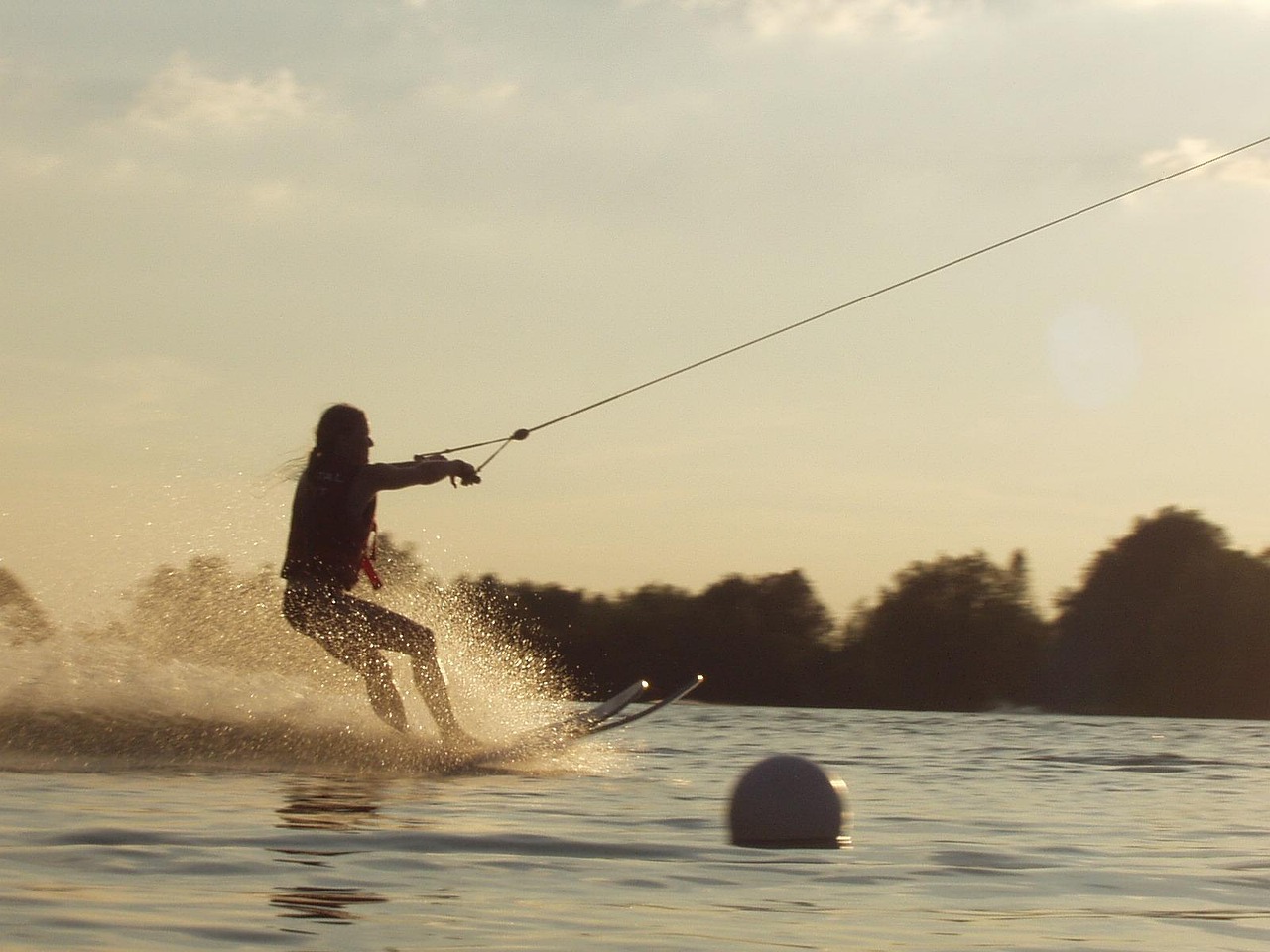
Water skiing is a thrilling sport that many people engage in for leisure, but transitioning to a competitive level requires preparation and focus. Many recreational skiers have the basic skills necessary, yet competitive skiing involves a refined technique and discipline. Firstly, it’s essential to establish specific goals. Determine if you want to compete in slalom, trick, or jump events. Setting clear objectives will direct your training efforts and mental focus. Next, finding the right equipment is just as crucial. Skis, bindings, and a life vest tailored for competitive skiing can significantly enhance performance. It’s also important to work with a qualified coach who specializes in competitive skiing. They can provide expert feedback, help develop your technique, and create tailored training schedules. Additionally, practice is key—focus on developing core strength and balance through exercises both on and off the water. Don’t hesitate to start participating in local competitions to gain experience. This exposure helps adapt to competition settings while enhancing your skills. Finally, remember that mental preparation is just as important as physical readiness.
Another critical aspect of the transition to competitive water skiing is adopting the right training regimen. Unlike recreational skiing, where you can ski casually, competitive skiing demands structured and rigorous training programs. These programs typically include water skiing sessions, strength training, and flexibility exercises. On-water training should involve various drills focusing on your specific event, whether it’s slalom, tricks, or ski jumping. Incorporating off-water training is essential as well. A regimen that includes gym workouts targeting core strength, leg power, and overall fitness will boost your performance significantly. Additionally, flexibility training, such as yoga or Pilates, enhances balance and reduces the risk of injuries during competitive activities. Warm-up and cool-down routines should be a part of every training session to promote recovery and flexibility. Nutrition also plays a vital role in competitive sports. A well-balanced diet rich in protein, carbohydrates, and healthy fats is essential. Staying hydrated is equally important to maintain peak performance during training and competitions. Developing these habits creates a foundation for your transition from a recreational skier to a competitive athlete markedly.
Understanding Competition Formats
Understanding the different formats of water skiing competitions will aid in your transition to a competitive skier. Each type of skiing event has its unique rules, judging criteria, and skill requirements. For instance, slalom skiing revolves around navigating through a course of buoys while maintaining speed, requiring precision and agility. Trick skiing focuses on performing various tricks on the water, with judges scoring based on difficulty and execution as well. Jump skiing, on the other hand, involves launching off a ramp to achieve maximum distance or height. Competitors need to practice specific techniques for each event extensively. Make it a habit to watch competitive events to analyze the techniques and strategies top athletes use. Familiarize yourself with the rules and judging criteria peculiar to your chosen events, as understanding how points are awarded can guide your practice. Plus, networking with other skiers can provide valuable insights. Attend workshops or clinics offered by professional water skiers, as these can be transformative for your skills. Combining practical experience with theoretical knowledge prepares you better for actual competition settings.
Building a strong support network can critically influence your journey from recreational to competitive water skiing. Whether it’s friends, fellow athletes, or family, a robust support system encourages motivation and can help overcome obstacles. Joining local ski clubs or teams presents opportunities to meet like-minded individuals, creating a community where skills can be shared and improved upon. Engaging in group training sessions not only builds camaraderie but also allows for valuable peer feedback and encouragement. Furthermore, having a coach who understands competition intricacies can keep you focused on improvements that yield results. Don’t underestimate the value of mental coach involvement, as a sports psychologist can help address nerves and anxiety related to competitions. As athletes push for performance, mental strength is essential to manage stress and overcome challenges during competitions. Equally important is attending competitions and familiarizing yourself with different surroundings. Each event presents unique dynamics, and the more accustomed you are to competing, the more confidence you will build. These relationships foster an environment where all participants support each other, ultimately enhancing everyone’s performance.
Physical and Mental Conditioning
In water skiing, physical and mental conditioning is intertwined and should be a staple in your training regime. Competitive water skiing demands peak physical fitness as the activities require explosive power, strength, and endurance. Engaging in cross-training, including cycling, swimming, or running, will bolster your overall physical condition. Focus on strength training workouts that prioritize core and leg muscles. Plank exercises, squats, and lunges will help condition your body for handling the stresses of skiing. Additionally, integrating functional movements that mimic skiing will improve your balance and agility on the water. Mental conditioning is equally important; developing mental strategies to handle competition pressures is crucial. Visualization techniques are effective, allowing you to mentally rehearse performances, helping to refine every nuance before you hit the water. Meditation and breathing exercises can assist in maintaining focus during competitions. Furthermore, self-talk strategies can boost confidence. Use positive affirmations to prepare yourself mentally for the competition, ensuring a strong mindset when participating. Combining these physical and mental strategies enhances overall performance and prepares you for the competitive skiing scene.
Staying disciplined is another crucial element when transitioning from recreational to competitive water skiing. Setting a consistent training schedule helps instill the necessary routines for practice, fitness, and rest. Commit to skimming the water during designated hours while keeping flexibility for additional drills based on your progress. Track your progress as this accountability can motivate improvement. Recording your workouts, routines, and achievements helps in assessing areas needing focus. Setting short-term and long-term goals further solidifies this discipline. These could include mastering specific tricks, completing a challenging course, or improving your time during slalom runs. Remember that consistency is key; even minor daily improvements accumulate over time, propelling you towards your goals. Additionally, learn to embrace setbacks; they are part of the journey towards mastery. Using challenges as learning opportunities builds resilience. It’s equally crucial to incorporate rest and recovery into your training schedule. Overtraining can lead to burnout or injury, so proper rest days allow muscle recovery while maintaining mental freshness. Balancing discipline with flexibility enables a healthy approach without feeling overwhelmed as you navigate competitive waters.
Taking Part in Competitions
Participating in competitions is a vital step in transitioning to a competitive water skier. Start by enrolling in local events to gain experience and assess your skill level against others. Local competitions often provide a friendly atmosphere, which can help alleviate performance anxiety. As you get accustomed to competing, gradually enter more challenging events. Each competition offers valuable lessons, allowing you to refine skills and compete against varied levels of experience. Understand that it’s normal to feel nervous; nearly all athletes do. Harness that energy by using it to stay focused. Analyze your performances after each event; this self-reflection is crucial for growth. Work closely with your coach to identify areas to improve or fine-tune techniques. Furthermore, establish a positive mindset towards competitions; view them as opportunities to grow rather than tests that determine worth. Taking the time to connect with other competitors can yield both knowledge and camaraderie, enhancing the experience. Also invest time in understanding how different weather or water conditions can affect performance, as adaptability is key in competition. Embrace each competition as a learning opportunity, paving your way towards a successful competitive water skiing career.