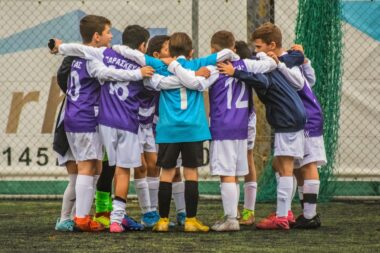

Turning Setbacks into Comebacks: Motivating Teams After Losses
In any team environment, facing setbacks is a reality that every group encounters. Whether it’s a lost game, a failed project, or unmet goals, what truly matters is how teams respond to these challenges. Motivation plays a crucial role in the recovery process, helping to convert a painful loss into a valuable learning opportunity. Teams that understand the importance of resilience can inspire each other to achieve greater results. By fostering a supportive environment, leaders can help team members process their feelings regarding failures. Encouraging open discussions about setbacks can prevent negative sentiments from escalating and can promote a culture of growth. One effective strategy is to hold team debrief sessions where members can express thoughts and brainstorm solutions. This will not only help individuals gain insights into their own motivations but also strengthen the team’s bond. Sharing personal experiences and challenges can lead to increased empathy among members. Ultimately, the goal is to guide the team toward a mindset that views setbacks as stepping stones rather than roadblocks. Positive reinforcement and consistent communication are essential in this process for motivating teams toward comeback success.
Emphasizing Team Resilience
Resilience is a key aspect of motivation that teams must cultivate, especially after experiencing losses. Developing a resilient mindset involves teaching team members how to embrace challenges with a solution-oriented approach. One effective motivation strategy is to encourage teams to reflect on past challenges and analyze how they overcame them. This reinforcement not only evokes confidence but builds a shared sense of purpose among members. By sharing stories of triumph and adversity, team members can see examples of perseverance in action. It is essential for leaders to actively model resilience themselves. Demonstrating a positive outlook can motivate team members to adopt similar attitudes. Providing resources such as workshops or mentoring can equip team members with tools to enhance their resilience further. Additionally, recognizing individual contributions during challenging times can improve morale and foster teamwork. It is vital to create an environment where mistakes are perceived as opportunities for growth instead of failures. Incentives such as team-building outings can reinforce bonds and motivate a forward-thinking mindset. An optimistic outlook can lead to creative problem-solving that results in stronger team performance. Team resilience can create powerful narratives that inspire future successes.
Defining clear and achievable goals is another pivotal strategy when motivating teams following losses. Setting specific objectives helps provide a roadmap for recovery, enabling team members to visualize success and stay focused. Leaders should ensure that these goals are not only attainable but also aligned with the team’s collective vision and strengths. Utilizing the SMART criteria—Specific, Measurable, Achievable, Relevant, and Time-bound—can create well-defined paths for progress. This approach enhances accountability among team members and fosters a sense of ownership over their responsibilities. After a setback, celebrating small wins along the way can boost motivation and morale. Recognizing progress reinforces the idea that success is achievable, thus encouraging a positive attitude. Team leaders must communicate the importance of these goals in a way that inspires commitment and enthusiasm. Regular check-ins can be beneficial for gauging the team’s progress and addressing any challenges that may arise. This open line of communication assures team members that their input is valued. By setting and pursuing these incrementally larger goals, teams can foster an environment of continuous improvement post-loss, paving the way for higher performance and necessary adjustments.
Encouraging Positive Communication
Positive communication is essential after a setback, impacting team morale significantly. Facilitating an atmosphere where open and constructive dialogue thrives is fundamental for motivating teams to rebound. Leaders can implement strategies that promote transparency and honesty among team members. Encouraging team members to express their frustrations can alleviate tension and allow them to process negative emotions. Additionally, it opens the floor for collaborative discussions on overcoming specific challenges. Utilizing positive reinforcement in communications can also help counter feelings of defeat and bolster confidence. Acknowledging each member’s struggle while celebrating efforts fosters resilience. It’s imperative for teams to remember that everyone has different coping mechanisms; therefore, providing various channels for communication, such as one-on-one meetings or anonymous feedback forms, can enhance inclusivity. Alongside fostering connection, teams should also participate in workshops focused on interpersonal skills and emotional intelligence. When members exhibit empathy towards one another, it can strengthen relationships and improve teamwork. Furthermore, ensuring each member feels heard increases their investment in group goals. Ultimately, nurturing positive communication allows teams to maintain an optimistic outlook during the recovery and learning phases after losses.
When motivating teams after losses, leveraging strengths is crucial. Every team possesses unique talents and skills that can contribute to overcoming obstacles. By recognizing and utilizing these strengths, teams can build stronger foundations for success. Conducting assessments to identify individual skills allows leaders to tailor roles more effectively within the team. Encouraging team members to share their talents not only empowers them but fosters collaboration. Team-building exercises centered around strengths can enhance trust, understanding, and connection. Integrating such activities into regular meetings can serve as daily reminders of what individuals bring to the table. Additionally, engaging in peer recognition can promote a sense of belonging and community, encouraging team members to motivate one another. Recognizing accomplishments and positive contributions builds a culture of appreciation and can uplift spirits after setbacks. This atmosphere breeds confidence and encourages risk-taking, propelling teams forward. Furthermore, diverse perspectives can generate innovative solutions that would not surface in a less collaborative setting. By focusing on and harnessing collective strengths, teams will be better equipped to face challenges head-on. Ultimately, emphasizing individual and group strengths fosters resilience, enabling teams to bounce back successfully after experiencing losses.
Creating a Roadmap for Recovery
Establishing a well-defined roadmap for recovery is essential for motivating teams to rise after setbacks. This plan should emphasize clarity and direction while allowing flexibility along the way. A structured approach can help team members articulate their objectives and define measurable outcomes. To kick-start this process, leaders should involve the team in creating this roadmap together, instilling a sense of ownership. Workshops can be an excellent setting for brainstorming and establishing key focal points for recovery. By presenting clear milestones and deadlines, the roadmap can facilitate accountability and progress tracking. Regularly revisiting and updating this plan reinforces the team’s commitment to guiding principles, fostering motivation. A visually stimulating representation of the roadmap can enhance engagement, such as using graphs or charts during meetings. In addition to written goals, it’s beneficial to set up regular check-ins to celebrate progress. This keeps teams focused on their journey and encourages reflection on achievements. Moreover, flexibility is essential; being adaptable to unforeseen circumstances can mitigate frustrations. Establishing a strong recovery roadmap allows motivation to flourish, creating a genuine commitment towards achieving success as a unified entity.
Finally, cultivating a positive team culture is vital for long-term motivation, especially after dealing with losses. A supportive environment encourages team members to share their experiences openly without fear of judgment. Fostering inclusivity within the team cultivates strong relationships that enhance cohesion. Team-building activities focused on fun and camaraderie can create lasting connections and promote emotional safety. Leaders should be attentive to team dynamics, recognizing signs of disconnection or low morale. Providing opportunities for growth and learning, such as workshops or training, can fuel intrinsic motivation. Encouraging team members to collaborate on personal development fosters a sense of unity. Furthermore, embedding this culture of positivity allows for constructive feedback to thrive, ensuring team members grow collectively after losses. Celebrating both small and large successes reinforces the idea that setbacks are temporary. Recognizing milestones encourages perseverance and resilience throughout the team. Ultimately, establishing a culture that values connection and support will motivate teams to overcome challenges and embrace their journey. When motivated collectively, teams can harness their energy to turn setbacks into comebacks, achieving greater heights together.
Conclusion and Future Outlook
As teams navigate their paths, it’s critical to remember that motivation isn’t just a momentary state but a continual process. Motivating teams after losses can lay the groundwork for a positive trajectory moving forward, regardless of the challenges encountered. The strategies discussed emphasize resilience, positivity, goal-setting, and open communication as pillars for fostering motivation. These principles guide teams toward a collective vision, turning setbacks into opportunities for growth. Importantly, leaders play a pivotal role in shaping team dynamics and influencing motivation. Their ability to inspire, communicate effectively, and create a supportive culture can significantly impact overall team performance. In the face of adversity, embracing these strategies allows teams to transform challenges into stepping stones on their journey toward success. Embracing a future outlook incorporating these motivational strategies serves as a roadmap for overcoming obstacles. Collaboration, respect, and recognizing individual strengths will propel teams forward, ensuring they remain united against adversity. By investing in these practices, teams can enhance their resilience, motivating themselves and each other to conquer any challenges they face. As a result, tomorrow’s achievements will flourish from today’s efforts, reinstating belief in their capabilities.